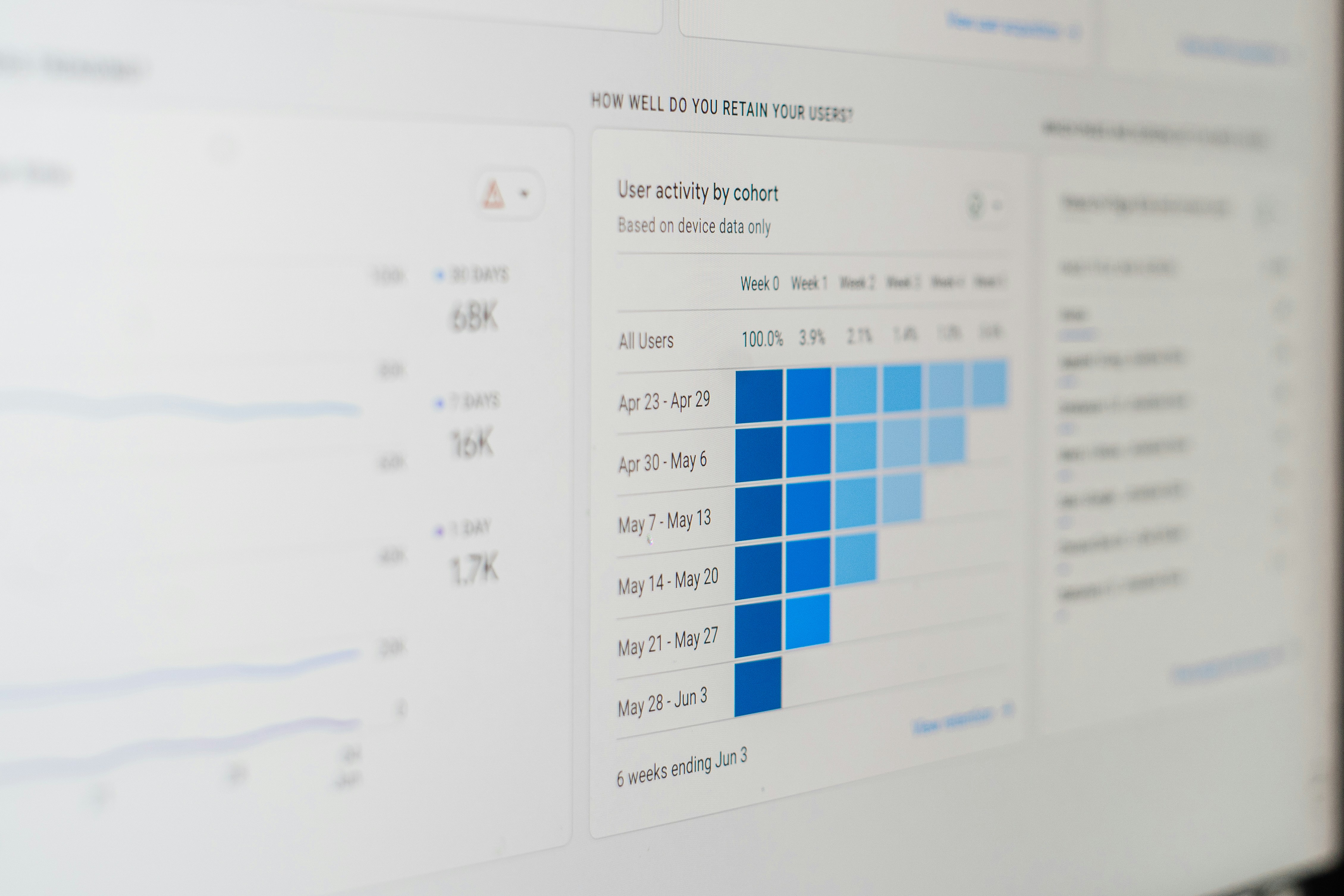
Introduction to Looker Studio and Gemini
Looker Studio and Gemini are pivotal components in the realm of data analytics and reporting. Looker Studio, a powerful data visualization tool, enables users to transform complex datasets into comprehensible insights. By utilizing interactive dashboards and reports, Looker Studio allows organizations to explore their data in real-time, ensuring that stakeholders can make informed decisions based on current and accurate information. Its ability to handle large datasets, coupled with its customizable visualization options, grants users the flexibility needed to cater to diverse analytics requirements.
On the other hand, Gemini represents a significant advancement in business intelligence tools. With its robust analytical capabilities, Gemini excels in synthesizing data from various sources, delivering actionable insights that drive strategic initiatives. It integrates machine learning algorithms to uncover hidden patterns within data, which can significantly enhance predictive analytics efforts. Gemini’s user-friendly interface ensures that even those with limited technical expertise can access its powerful features, thereby democratizing data access across organizations.
The integration of Looker Studio with Gemini enhances the data analysis process further. By leveraging the strengths of both platforms, organizations can create a seamless flow of information, allowing for more profound and cohesive decision-making. The synergy between the looker studio gemini integration establishes a framework where data can be analyzed in greater depth while retaining clarity and visibility. Consequently, this enhancement makes it easier for businesses to respond swiftly to market changes, optimize their operations, and ultimately achieve their goals more effectively.
The Importance of Data Integration
In today’s data-driven landscape, effective data integration plays a crucial role in enabling businesses to derive actionable insights from their information assets. The combination of disparate data sources can create silos, leading to inefficiencies and hindering an organization’s ability to make informed decisions. By integrating data solutions, organizations can create a cohesive analytical environment that drives effective strategies and optimizes operational performance.
One prominent advancement in data integration is the collaborative use of Looker Studio and Gemini. Looker Studio provides a powerful platform for data visualization and exploration, while Gemini complements this by facilitating advanced analytics. Together, they eliminate the barriers imposed by data silos, allowing organizations to consolidate information from various sources seamlessly. This integration fosters a more comprehensive understanding of data patterns, trends, and anomalies across business operations.
The effectiveness of Looker Studio and Gemini integration becomes evident through the efficient handling of real-time data. Organizations can leverage the capabilities of both solutions to monitor key performance indicators (KPIs) and other essential metrics continuously. This enables users to react promptly to changes within the market landscape and internal performance parameters. A unified data view enhances collaboration across departments, ensuring that insights reach stakeholders in a timely and comprehensible manner.
Moreover, integrating Looker Studio and Gemini empowers organizations to implement self-service analytics. Users can derive insights without needing extensive technical expertise, expanding the data literacy across teams. By democratizing access to data, organizations can foster a culture of analytics, driving innovation and agility. Furthermore, with a well-integrated data framework, businesses can ensure data governance and compliance with evolving regulations, safeguarding sensitive information.
Ultimately, the significance of data integration cannot be overstated. As organizations continue to navigate the complexities of the digital age, combining solutions such as Looker Studio and Gemini will be indispensable in creating a unified data landscape that enhances analytical capabilities.
Features of Looker Studio
Looker Studio offers a comprehensive suite of features designed to empower businesses in their data analysis and reporting endeavors. One of the standout aspects of Looker Studio is its user-friendly interface, which allows users with varying levels of technical expertise to navigate seamlessly. This accessibility is crucial for organizations aiming to democratize data access among employees, enabling them to generate insights without relying solely on data analysts or IT teams. The streamlined navigation enhances user experience, making it easier for teams to focus on their data rather than struggling with complex tools.
Another significant feature is the customizable reporting tools, which allow users to tailor their reports according to specific business requirements. Companies can create detailed reports that align closely with their objectives, thus facilitating informed decision-making. Users can incorporate various metrics and dimensions that matter most to their operations, ensuring that the data presented reflects the realities of the organization. This level of customization is particularly beneficial for businesses that need to present data to various stakeholders, as it ensures that each audience receives the most relevant insights.
In addition to these features, Looker Studio boasts advanced data visualization capabilities. Users can leverage a range of visualization options, such as charts, graphs, and dashboards, to present their data in compelling formats. These visuals not only make the data more digestible but also enhance the storytelling aspect of data analysis. By integrating the looker studio gemini integration, users can further enrich their visualizations with contextual data, enabling them to dive deeper into analysis. This sophisticated visualization capability aids businesses in identifying trends and patterns that may not be immediately evident, ultimately driving strategic initiatives.
Overall, the features of Looker Studio work collectively to enhance data analysis and reporting processes, making it an invaluable tool for businesses that wish to leverage their data effectively.
Features of Gemini
Gemini stands out as a cutting-edge data processing tool designed to enhance business intelligence through its robust machine learning capabilities. One of the most significant features of Gemini is its ability to perform real-time data processing. This functionality allows users to analyze and visualize data as it is generated, fostering a dynamic environment where decisions can be made swiftly and based on the most current information available. The integration of Looker Studio with Gemini amplifies these capabilities, offering a seamless experience for users who rely on data for strategic planning and operational efficiency.
In addition to real-time processing, Gemini excels in predictive analytics, enabling businesses to forecast trends and behaviors with high accuracy. By harnessing sophisticated algorithms, Gemini analyzes historical data to identify patterns and make predictions regarding future outcomes. This predictive capability is particularly advantageous for businesses looking to optimize marketing campaigns, improve inventory management, or enhance customer interactions. When integrated with Looker Studio, Gemini provides intuitive dashboards that present these insights visually, making them accessible and actionable for decision-makers across various sectors.
Equipped with advanced machine learning models, Gemini continually learns from new data inputs, ensuring its algorithms remain relevant and effective. This adaptability is crucial in today’s fast-paced business environment where data changes occur rapidly. Organizations utilizing the looker studio gemini integration can capitalize on these features, thus positioning themselves to respond promptly to data-driven opportunities and challenges. The combination of real-time analytics and predictive modeling offered by Gemini ultimately empowers businesses to make informed decisions, drive innovation and maintain a competitive edge in their respective markets.
How Looker Studio and Gemini Work Together
The integration between Looker Studio and Gemini is designed to empower organizations by facilitating seamless data sharing and analysis. Looker Studio, a robust data analytics platform, provides visualization and reporting capabilities that help teams unlock and understand their data. On the other hand, Gemini serves as an advanced analytics engine that enhances data processing and machine learning functionalities. When these two systems connect, they create a powerful synergy that advances decision-making processes.
At the core of the Looker Studio and Gemini integration is the ability to streamline workflows. Users can directly access data processed in Gemini through Looker Studio, eliminating the need for separate data handling processes. This allows teams to visualize real-time analytics quickly and transform complex datasets into comprehensible insights. The unified approach ensures that businesses can respond promptly to changes in their data landscape.
Moreover, the integration allows for advanced data sharing capabilities. Organizations can incorporate datasets from various sources, such as CRM and ERP systems, into Gemini for comprehensive analysis. Looker Studio can then connect to these datasets, enabling users to create dashboards that reflect real-time metrics and performance indicators. This capability not only enhances reporting but also fosters collaboration among teams by enabling shared viewing of analytics.
Combining the strengths of Looker Studio and Gemini leads to deeper insights, as users can harness both visual and predictive analytics. By employing machine learning algorithms within Gemini, businesses can uncover hidden trends and patterns, which can be visualized in Looker Studio to support strategic decisions. Ultimately, the integration of these two systems results in a more informed approach to business strategies, allowing organizations to position themselves advantageously in the market.
Benefits of the Integration
The integration of Looker Studio and Gemini presents numerous advantages for organizations aiming to harness the power of data analytics. One of the primary benefits is the significant increase in efficiency when it comes to reporting. By utilizing the synergy between Looker Studio and Gemini, businesses can automate various reporting processes, reducing the time spent on manual data collection and analysis. This automation translates to timely insights, allowing teams to respond swiftly to market changes and operational challenges.
In addition to heightened efficiency, the integration enhances decision-making capabilities across the organization. Looker Studio provides robust data visualization tools, enabling users to glean meaningful insights from complex datasets. When combined with Gemini’s advanced data processing capabilities, the result is a powerful analytics solution that empowers stakeholders to make informed decisions based on real-time, accurate information. Improved access to insightful data fosters a culture of data-driven decision-making, leading to smarter strategies that align with organizational objectives.
Furthermore, the Looker Studio and Gemini integration contributes to the enhancement of a data-driven culture within companies. As employees become more comfortable with accessing and interpreting data insights, the overall proficiency in utilizing analytics grows. This shift enables teams across various departments—be it marketing, sales, or operations—to leverage data in their processes. Organizations that embrace a collaborative approach towards data utilization often find a notable improvement in cross-departmental communication and alignment, ultimately driving business performance. By adopting Looker Studio and Gemini, organizations can cultivate an environment where data is not only accessible but also integral to daily operations, fostering an adaptive, innovative workplace.
Case Studies and Success Stories
Organizations across various sectors have started to embrace the Looker Studio and Gemini integration, capitalizing on its strengths to address complex data challenges and significantly improve their business outcomes. One notable case involves a retail company that faced difficulties in understanding customer behavior through their previous analytics tools. They integrated Looker Studio with Gemini to harness real-time data visualization and predictive analytics capabilities. With this integration, they were able to segment their customer base more effectively based on purchasing patterns and demographic data. The outcome was a 25% increase in targeted marketing campaign effectiveness and a 15% uplift in overall sales within six months.
Another compelling example comes from a healthcare provider that sought to enhance patient care through data-driven decision-making. Before implementing Looker Studio and Gemini integration, the organization struggled with disconnected data sources, leading to inconsistent reporting and slow response times. By utilizing the integration, they managed to unify their data into a single dashboard. This streamlined approach allowed healthcare professionals to access crucial patient information swiftly, reducing the response time for critical decisions by 30%. Subsequently, patient satisfaction scores increased markedly as a result of improved service delivery and better-informed decisions.
A fintech startup serves as a third example, grappling with the challenge of visualizing various financial datasets and extracting actionable insights. The integration provided them with advanced analytics tools that transformed their approach to financial modeling and reporting. By adopting the Looker Studio and Gemini integration, they reduced the time spent on generating reports from days to mere hours, enabling faster strategic decision-making. Furthermore, they observed a 40% reduction in time-to-market for new financial products, showcasing the significant competitive advantage gained through this integration.
Challenges and Considerations
The integration of Looker Studio with Gemini presents numerous benefits for organizations seeking to maximize data insights; however, it is not without its challenges. One of the primary hurdles companies may encounter is data migration. Transitioning from various data sources into Looker Studio can be complex, depending on the volume, structure, and format of the existing datasets. Inadequate planning during this phase can result in data loss, errors, or inconsistencies that negatively affect reporting and insights.
Another significant challenge is user adoption. Employees accustomed to legacy systems may resist transitioning to the new Looker Studio and Gemini integration. This resistance can stem from unfamiliarity with the new tools or concerns about changes in workflow. Therefore, it is crucial for organizations to implement a change management strategy that emphasizes the advantages of the integration, ensuring users understand how these systems can enhance their decision-making capabilities.
Moreover, ensuring that employees can effectively utilize the Looker Studio and Gemini integration often necessitates substantial training. Without adequate instruction, users may struggle to navigate the platforms, missing out on valuable features that could drive data-informed strategies. Organizations might need to invest in comprehensive training programs and ongoing support resources to empower their teams fully. This investment is vital for realizing the potential of the integrated systems, as expertise in utilizing Looker Studio in conjunction with Gemini can lead to significant competitive advantages.
In conclusion, while the integration of Looker Studio and Gemini offers numerous opportunities for enhanced data analysis and reporting, companies must be aware of the potential challenges associated with data migration, user adoption, and the need for training. A proactive approach to addressing these challenges can help organizations harness the full power of this integration.
Future Trends in Data Analytics
The field of data analytics is rapidly evolving, driven by technological advancements and an increasing demand for actionable insights. A significant trend is the integration of artificial intelligence (AI) into data analytics processes. With tools like Looker Studio and Gemini providing seamless integration, businesses can leverage AI to enhance their analytical capabilities. AI algorithms can analyze vast datasets at an unprecedented speed, uncovering hidden patterns and trends that were previously difficult to identify.
Automation is another trend that is reshaping the landscape of data analytics. By automating repetitive tasks, organizations can reduce human error and free up valuable time for analysts to focus on more complex analyses. Looker Studio’s integration with Gemini exemplifies how automation can streamline data workflows, enabling businesses to make quicker and more informed decisions. This automation not only enhances efficiency but also provides stakeholders with timely insights, an essential factor in today’s fast-paced business environment.
The growing emphasis on real-time data insights cannot be overlooked. In a digital world where conditions change rapidly, having access to real-time analytics is crucial. Integrations, such as that of Looker Studio and Gemini, facilitate the real-time analysis of data, empowering organizations to respond swiftly to market changes or internal challenges. Being able to visualize and interpret data in real-time can significantly enhance decision-making processes and strategic planning.
As businesses continue to embrace these trends, the integration of advanced technologies will play a pivotal role in shaping the future of data analytics. The synergy between platforms like Looker Studio and Gemini positions companies at the forefront of these advancements, ensuring they remain competitive in a data-driven world. Therefore, it is imperative for organizations to adapt to these changes and leverage such integrations to unlock their full analytical potential.