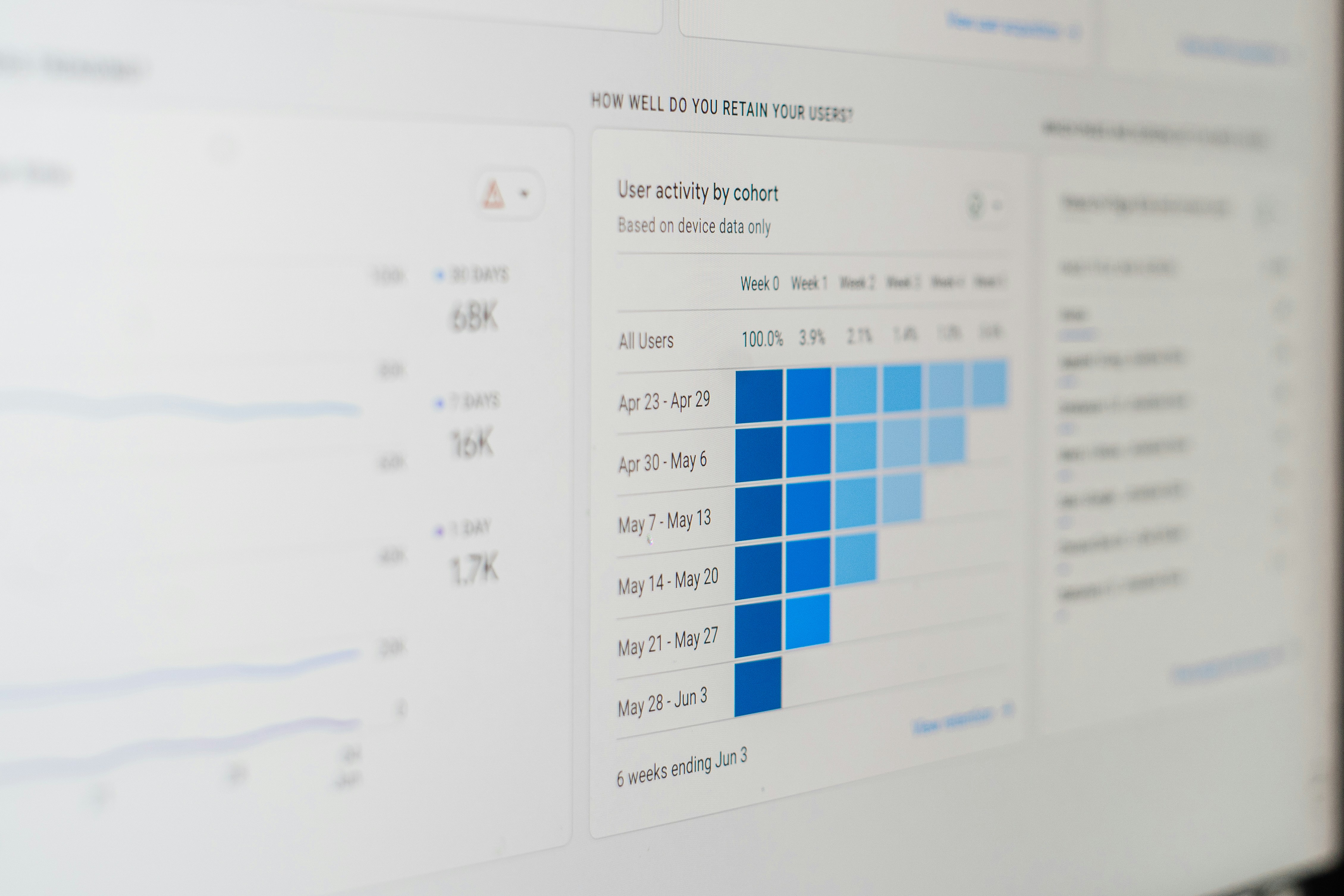
Introduction to Looker
Looker is a robust data analytics and business intelligence platform designed to facilitate insightful decision-making through data visualization. As organizations increasingly rely on data-driven strategies, Looker stands out as a versatile tool that enhances the ability to analyze complex datasets. By transforming raw data into interactive visualizations and engaging dashboards, Looker empowers users across various sectors to glean actionable insights swiftly.
One of the primary purposes of Looker is to enable users to explore and analyze their data without requiring extensive technical expertise. Its user-friendly interface allows business users to create reports and dashboards tailored to their specific needs, promoting a culture of self-service analytics. Among its key features are customizable dashboards, real-time data exploration, and integrated data modeling capabilities, which facilitate a comprehensive understanding of trends and performance metrics.
Additionally, the importance of data visualization in contemporary decision-making cannot be overstated. Through effective visual representations of data, organizations can identify patterns, correlate information, and communicate insights to stakeholders more efficiently. Looker incorporates advanced visualization options, allowing users to illustrate their findings intuitively and engagingly, thus equipping teams to make informed choices based on a clear comprehension of the data at hand.
When compared to other analytics tools, Looker distinguishes itself with its emphasis on collaborative data exploration and operational integration. Unlike traditional analytics platforms that may impose rigid reporting structures, Looker promotes an exploratory approach where cross-functional teams can collaborate and derive insights collectively. This unique characteristic makes Looker particularly valuable for organizations seeking to leverage data across different departments.
As we delve deeper into practical looker examples and their applications, it is clear that Looker serves as a vital partner for businesses aiming to harness the full potential of their data landscapes.
Understanding Looker’s Interface
The Looker interface is designed to facilitate effective data exploration and visualization, enabling users to derive valuable insights with ease. At its core, the interface comprises several key components, including dashboards, explores, and reports, which collectively contribute to an intuitive analytical experience. Each element allows users to interact with data in unique ways, enhancing both comprehension and decision-making capabilities.
Dashboards serve as the central hub for data presentation, allowing users to view multiple visualizations and metrics simultaneously. These customizable panels can be tailored to individual preferences, enabling users to arrange components, apply filters, and delve into specific data sets. This flexibility ensures that users can quickly access the information most relevant to their inquiries. Furthermore, Looker provides a variety of visualization options, such as bar charts, line graphs, and heat maps, accommodating diverse analytical needs.
Explores are another vital aspect of Looker’s interface, empowering users to conduct deeper analyses. This feature enables users to start from a specific data set and drill down into the granular details, identifying trends and patterns. The exploratory capabilities of Looker are particularly valuable, as they facilitate an engaging, hands-on approach to data interrogation. It is through explores that users can generate insights and support their data-driven strategies effectively.
Reports in Looker provide the final layer of data analysis by offering a structured view of the insights gathered through dashboards and explores. Users can generate reports that highlight key findings and share them with stakeholders, fostering a culture of transparency and collaboration in data strategy.
For effective navigation of Looker, users are encouraged to familiarize themselves with the interface by exploring each section methodically. Utilizing Looker’s built-in assistance features and documentation can aid in long-term mastery of the platform, ensuring users harness its full potential in extracting actionable insights from their data.
Real-World Use Cases of Looker
Looker has become a vital asset for organizations across various industries, enabling them to leverage their data to derive actionable insights. In the retail sector, for instance, companies utilize Looker to analyze customer purchasing behavior. By employing sophisticated analytics and visualizations, retailers can identify trends and optimize inventory levels. This data-driven approach not only enhances customer satisfaction through timely restocking but also improves sales forecasting, driving revenue growth.
In the finance industry, Looker has transformed how firms manage risks and compliance. Financial institutions incorporate Looker to provide real-time insights into transaction data, helping to quickly identify anomalies that might indicate fraudulent activities. By leveraging Looker examples tailored to risk assessment, these organizations can craft strategies to mitigate potential losses and ensure secure transactions. Furthermore, Looker enables financial firms to generate detailed reports for regulatory compliance, streamlining processes that previously took considerable time and resources.
Healthcare is another industry where Looker showcases its effectiveness. Healthcare providers use Looker to analyze patient data, treatment outcomes, and operational efficiencies. By examining this information, hospitals can improve patient care through tailored treatment plans and better resource allocation. For example, a healthcare facility might analyze patient admission rates alongside treatment success rates to refine their approaches to particular health issues, ensuring that patients receive optimal care based on precise data-driven insights. The effective use of Looker to visualize complex datasets has been a game-changer in enhancing overall healthcare operations.
These diverse looker examples across sectors highlight the platform’s versatility in driving informed decisions. Organizations that harness Looker have made significant strides in optimizing their operations, underscoring the importance of data analytics in achieving business objectives.
Creating Effective Dashboards in Looker
Designing effective dashboards in Looker requires a systematic approach that prioritizes clarity, usability, and insight generation. The key to successful dashboard creation lies in defining the objectives and understanding the audience’s needs. The first step involves selecting the right metrics that align with the primary goals of the dashboard. It is imperative to choose metrics that accurately reflect performance indicators relevant to the stakeholders.
Once the metrics are identified, the next phase is visualization. Looker offers a variety of visualization options, including charts, graphs, and tables, allowing users to present data in a manner that is visually appealing and easy to comprehend. For example, bar charts can be effective in displaying comparative data, while line charts are ideal for tracking changes over time. It is crucial to select the appropriate visual representation that enhances the information being conveyed.
The layout of the dashboard also plays a significant role in its effectiveness. A well-structured dashboard should prioritize key metrics and insights at the top, making them readily accessible. Grouping related data together can improve the user experience and facilitate quick comparisons. Additionally, utilizing space efficiently without overcrowding essential elements is vital for maintaining focus on the most important data trends.
To illustrate successful design practices, consider real-world looker examples where companies have utilized dashboards effectively. For instance, a marketing team may create a dashboard that tracks campaign performance metrics showcasing conversion rates, engagement levels, and return on investment, thereby enabling quick decision-making. Another example could involve a sales dashboard illustrating quota attainment and sales pipeline metrics, aiding in strategic planning.
In summary, creating effective dashboards in Looker entails careful selection of metrics, thoughtful visualization, and an intuitive layout, thereby ensuring that users can derive insights seamlessly. By adhering to these principles and learning from successful looker examples, organizations can harness the full potential of their data.
Integrating Looker with Other Data Platforms
Looker serves as a powerful tool for organizations seeking to derive actionable insights from their data. One of its significant advantages lies in its ability to seamlessly integrate with various data platforms and third-party tools, enabling a more cohesive data analysis environment. By connecting Looker to data warehouses such as Google BigQuery, Snowflake, or Amazon Redshift, organizations can efficiently analyze vast amounts of data without sacrificing performance. This integration allows users to work directly with their live data, resulting in real-time insights and immediate availability of information, which is crucial for timely decision-making.
Furthermore, Looker’s compatibility with cloud storage services, including Google Cloud Storage and Amazon S3, provides users with the flexibility to store and access data securely in the cloud. Integrating these platforms with Looker can simplify data management and facilitate easier access to vital information, thereby enhancing the analytic process. By utilizing Looker’s robust modeling language, LookML, companies can define their own metrics and dimensions, ensuring that the data analyzed aligns with their unique business needs and objectives.
In addition to data warehouses and cloud storage, Looker also integrates effectively with customer relationship management (CRM) systems like Salesforce and HubSpot. This synergy allows organizations to unify their data sources, correlating customer interactions with broader business metrics. As a result, businesses can gain deeper insights into customer behavior, leading to improved marketing strategies and better customer support. The dynamic functionalities of Looker alongside these various platforms exemplify how integration enhances the overall data analysis process, transforming raw data into valuable insights that drive business growth.
Automating Reports and Alerts in Looker
The automation features of Looker provide users with a powerful means to simplify reporting processes. By utilizing report scheduling, analysts can generate and distribute reports at predetermined intervals without manual intervention. This capability is essential for organizations that rely on timely data insights to make informed decisions. Users can create scheduled reports for various data sets, allowing stakeholders to receive critical information at regular intervals, whether daily, weekly, or monthly.
Setting up automated reports in Looker involves selecting the desired report, determining the frequency of distribution, and designating the recipients. Through this process, organizations can ensure that all relevant team members are consistently informed about key metrics and trends, thereby supporting a data-driven culture. Furthermore, Looker allows for the customization of report formats, ensuring that data is presented in a manner that is comprehensible and actionable for the distinct audience receiving it.
In addition to automated reporting, Looker offers the functionality to set alerts for significant changes in key metrics. Users can configure alerts based on specific thresholds or conditions, such as when a metric surpasses or falls below a defined value. This proactive approach enables teams to monitor vital business performance indicators in real-time and respond promptly to significant fluctuations. For instance, retailers might set alerts for sudden drops in sales or website visits, empowering them to take immediate corrective actions.
By leveraging the automation features of Looker, organizations can enhance operational efficiency and cultivate a responsive environment. The ability to automate reporting and set alerts reduces the manual effort required for continuous data monitoring while ensuring that stakeholders always have access to the latest insights. Overall, Looker examples of automation highlight its effectiveness in transforming data handling into a streamlined and strategic activity.
Collaborating with Teams Using Looker
Collaboration plays a crucial role in making data-driven decisions, and Looker enhances this aspect significantly through various features designed for team-oriented environments. Using Looker, teams can effortlessly share insights and engage in meaningful discussions regarding data findings. By facilitating a collaborative workspace, Looker empowers users to not only access information but to also annotate reports and highlight key observations for their colleagues.
One of the standout features of Looker is the ability to create shared dashboards. Teams can design custom dashboards reflecting pertinent metrics relevant to their specific projects. This functionality allows users to interactively explore the data, ensuring everyone is aligned and informed. For instance, a marketing team might build a dashboard displaying campaign performance metrics which all members can access. This ensures real-time visibility into the performance of initiatives and fosters collective strategy refinement.
Moreover, Looker provides options for users to annotate reports directly within the platform. This feature allows team members to add notes, comments, or important reminders that correspond to specific data points. For example, during a quarterly review, a sales manager might leave a note on a dashboard noting anomalies in sales trends. Such documentation promotes dialogue among team members, encouraging them to analyze the data collaboratively and derive actionable insights.
Additionally, Looker supports communication through its integrated messaging systems. Users can send mentions or comments to specific colleagues, prompting them to review certain metrics or trends highlighted in a report. This direct approach streamlines communication, making it easier for teams to connect without having to leave the platform. As a result, Looker’s collaborative features play a pivotal role in enriching team productivity and fostering a culture of shared knowledge within organizations.
Case Studies: Businesses Thriving with Looker
Looker, a powerful data analytics platform, has transformed the business intelligence landscape for a multitude of organizations across various sectors. Several case studies illustrate how businesses have successfully leveraged Looker to address challenges, enhance decision-making processes, and ultimately achieve measurable outcomes.
One notable example is a leading e-commerce retailer that faced difficulties in understanding customer behavior due to disparate data sources. The company’s data was siloed, leading to inefficient insights that restricted growth. By integrating Looker into their operations, they consolidated their data from multiple sources into a single coherent view. This integration allowed data analysts to create customizable dashboards that reflected real-time customer interactions and preferences. As a result, the company improved their marketing strategy and achieved a 30% increase in sales conversions within six months.
Another compelling case comes from a healthcare provider that struggled with operational inefficiencies and patient satisfaction. The organization implemented Looker to gain insights into patient data and operational workflows. By utilizing Looker’s data modeling capabilities, they were able to identify bottlenecks in patient processing times and enhance service delivery. The implementation of targeted solutions based on these insights led to a 25% reduction in wait times and a significant increase in patient satisfaction scores.
Lastly, a financial services firm utilized Looker to streamline its compliance reporting processes. The firm faced challenges in generating timely reports due to the complexity of regulatory requirements. By employing Looker’s data exploration features, the company automated many aspects of its reporting. This not only reduced the time spent on compliance reporting by 40% but also minimized the risk of errors. These looker examples emphasize the versatility and effectiveness of the platform in addressing diverse business challenges.
Through these illustrative cases, it becomes evident that Looker is more than just a reporting tool; it is an essential partner for organizations seeking to optimize their data-driven strategies and foster sustainable growth.
Conclusion and Next Steps
In this blog post, we have explored the multifaceted applications of Looker in the realm of data analytics, illustrating how this robust tool can transform raw data into actionable insights. The practical examples presented demonstrate Looker’s versatility across various industries, emphasizing its capability to support data-driven decision-making. Users can create customized reports and dashboards that align with specific organizational needs, ultimately driving efficiency and enhanced performance.
The value of Looker lies not only in its rich feature set but also in its ability to integrate seamlessly with other data sources and tools. Organizations that harness Looker’s potential can enjoy improved visualization, real-time insights, and collaborative analytics. As illustrated in our examples, these benefits can significantly impact business operations, customer engagement, and strategic planning.
For those interested in adopting Looker, the first step involves understanding your specific data requirements and identifying use cases relevant to your organization. Exploring Looker’s documentation and available resources is crucial to grasping the platform’s capabilities fully. Additionally, consider engaging with Looker’s community forums or seeking consultation from experts to enhance your implementation strategy. Connecting with professionals who have successfully integrated Looker within their systems can be invaluable. They can offer perspectives, best practices, and solutions to potential challenges as you navigate the setup process.
To embark on your Looker journey, visit the official Looker website for comprehensive guides, tutorials, and customer support options. Prepare to unlock critical insights from your data and leverage Looker to drive your organization toward its strategic goals. By taking these initial steps, you will position your organization to thrive in an increasingly data-driven landscape.