Introduction to Looker Studio
Looker Studio is a powerful data analytics and visualization platform designed to empower businesses to transform their raw data into actionable insights. With the increasing complexity of data, organizations require robust tools that can simplify the analysis process while providing sophisticated reporting capabilities. Looker Studio stands out as an essential instrument for businesses seeking to unlock the potential of their data, catering to the needs of various users from analysts to executives.
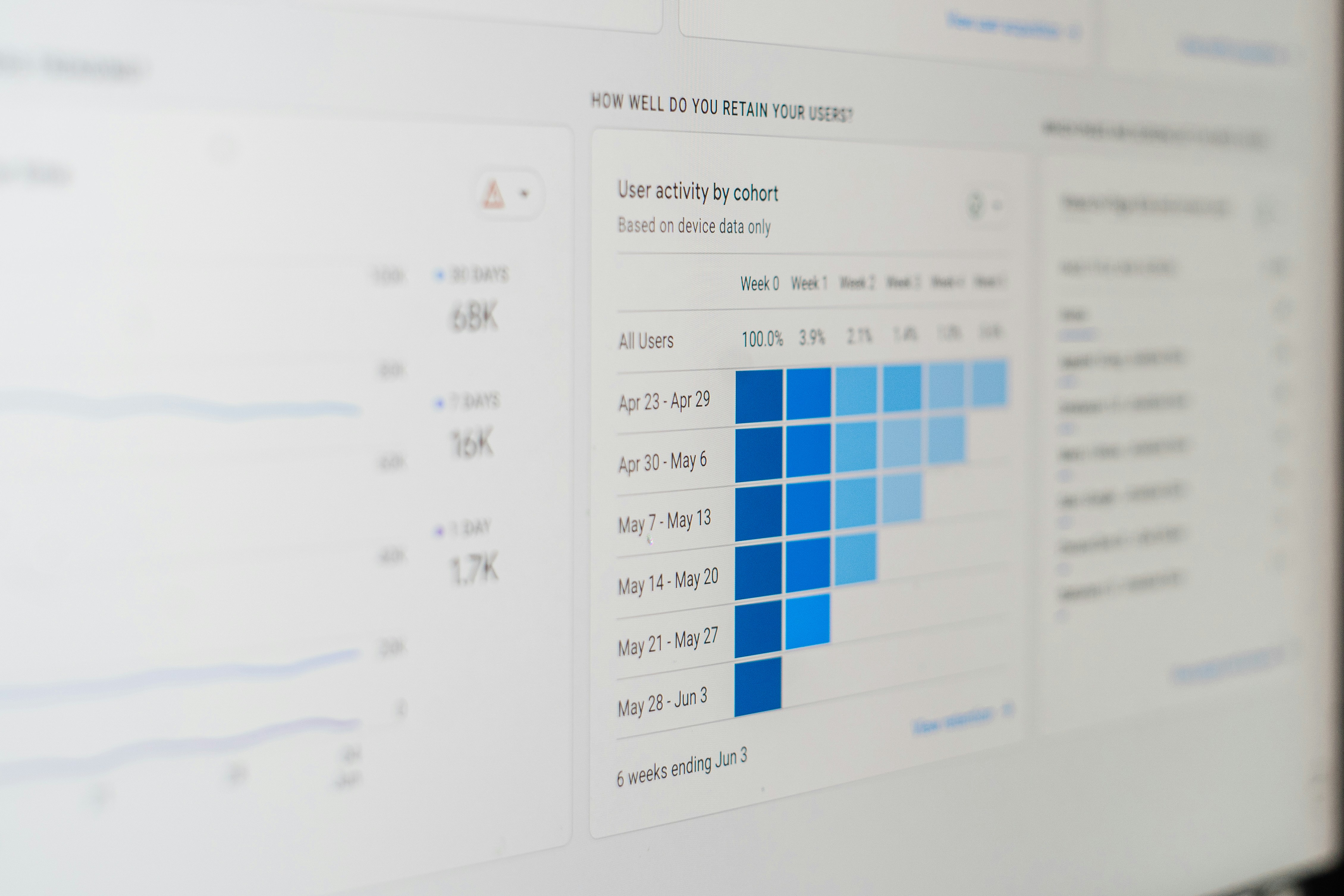
At its core, Looker Studio enables users to create comprehensive dashboards that visually represent data in an easily digestible format. The platform supports a variety of data sources, allowing for seamless integration of disparate data streams into cohesive reports. This capability is vital as it enables decision-makers to visualize performance metrics and trends in real-time, fostering an informed decision-making process. One of the highlights of Looker Studio is its dashboard template, which provides a structured framework for presenting data meaningfully.
The significance of visual data representation cannot be overstated, as humans are inherently visual learners. By presenting data through graphs, charts, and interactive elements, Looker Studio facilitates a better understanding of complex datasets, helping to identify patterns and anomalies that may otherwise go unnoticed. Effective dashboard designs not only communicate information clearly but also engage users and encourage exploration of the underlying data. Consequently, the ability to showcase insights using a Looker Studio dashboard template becomes a strategic advantage for organizations aiming to enhance their performance and stay competitive in their respective markets.
What is a Looker Studio Dashboard Template?
A Looker Studio dashboard template is a pre-designed framework that allows users to create visual data presentations efficiently. It serves as an essential tool for data analysts and business intelligence professionals seeking to streamline the process of creating comprehensive dashboards. These templates come equipped with various components, including charts, tables, and graphs that can be easily customized to suit the user’s requirements.
The primary purpose of a Looker Studio dashboard template is to provide a starting point for users who wish to visualize their data effectively. By using these templates, individuals can quickly set up dashboards without having to design each element from scratch. This not only saves time but also ensures consistency across different reports and presentations, allowing for a more organized approach to data visualization.
Each Looker Studio dashboard template typically features a variety of built-in metrics and KPIs, enabling users to focus on data analysis rather than the setup process. These templates facilitate the presentation of key insights, making it easier for stakeholders to understand the underlying data and make informed decisions. Furthermore, they often include standard visual formats that align with best practices, enhancing the overall quality of reporting.
In addition to saving time, Looker Studio dashboard templates also play a crucial role in standardizing reporting processes across teams or departments. This reduces the risk of inconsistencies and errors, allowing organizations to maintain a high level of professionalism in their data presentations. Overall, leveraging these templates significantly enhances the efficiency of dashboard creation while simplifying the complexities of data visualization.
Benefits of Using a Looker Studio Dashboard Template
Utilizing a Looker Studio dashboard template presents numerous advantages that enhance the overall data management and visualization process within organizations. One significant benefit is the improvement in data visualization. Looker Studio’s intuitive dashboard layouts allow users to create visually appealing representations of their data, making it easier to interpret complex datasets. For example, a business might use a dashboard template to display sales performance across different regions, enabling stakeholders to quickly identify trends and outliers.
Another key benefit of using a Looker Studio dashboard template is the enhanced collaboration it fosters among team members. When everyone accesses the same template, it ensures a uniform understanding of the data being analyzed. Team members can work together more effectively, facilitating discussions based on shared insights. An example of this is a marketing team that employs a template to track campaign performance, allowing for collaborative assessments and timely adjustments based on input from various team members.
Furthermore, a Looker Studio dashboard template significantly decreases the time required to derive insights, leading to swifter decision-making. Instead of spending hours formatting graphs or creating reports from scratch, organizations can utilize ready-made templates that already include the necessary metrics and visualizations. For instance, a retail company might implement a template to monitor inventory levels, granting managers immediate visibility into stock shortages or excess inventory that may require action.
In summary, the benefits of using a Looker Studio dashboard template extend beyond aesthetics; they encompass improved data visualization, enhanced team collaboration, and accelerated insights into business performance. These advantages not only streamline day-to-day operations but also empower organizations to make data-driven decisions with greater confidence.
How to Choose the Right Template for Your Needs
Selecting the appropriate Looker Studio dashboard template is pivotal for effectively visualizing and analyzing data. The first step in this process is to clearly identify the type of data being assessed. Different data sets may require specific types of visualizations to represent trends accurately and provide insights. For instance, if the primary data involves sales performance, a template that emphasizes metrics such as revenue, customer acquisition, and conversion rates would be beneficial. On the other hand, if the focus is on user engagement metrics, a dashboard catered to tracking user interactions and behavior patterns would be more suitable.
Another crucial factor to consider is the intended audience for the reports generated from the Looker Studio dashboard. Understanding who will consume the data is essential for tailoring the level of complexity within the template. For instance, executives might require high-level summaries that focus on key performance indicators, whereas data analysts may benefit from a more detailed and granular presentation of data. Selecting a dashboard template that aligns with the audience’s expectations and expertise can significantly enhance the overall effectiveness of the communication.
Moreover, the level of detail necessary to convey insights is an important consideration while choosing a Looker Studio dashboard template. It is essential to strike a balance between providing enough information to facilitate informed decision-making while avoiding overwhelming the user with excessive data. Templates that offer adjustable views or customizable sections allow users to see the information most relevant to their needs without unnecessary complexity. Ultimately, selecting an appropriate Looker Studio dashboard template tailored to the unique requirements of your data, audience, and desired detail level will significantly enhance your reporting capabilities.
Creating Your First Dashboard with Looker Studio
Venturing into the domain of data visualization can be seamless, especially with the user-friendly features of Looker Studio. This section will guide you through the process of creating your first dashboard, beginning with the selection of a suitable Looker Studio dashboard template. By choosing a template, you can leverage pre-configured structures that cater to various business needs, thus streamlining your development process.
To start, navigate to the Looker Studio interface, and select the “Create” option. You will come across a variety of dashboard templates specifically designed for different industries and data types. Identify one that best fits your intended purpose. Once selected, the aim is to customize it to align with your data sources and business objectives.
Integrating data into your dashboard is straightforward; simply connect to your data sources using available connectors. Looker Studio supports multiple data integrations, enabling you to visualize data from Google Sheets, Google Analytics, and other databases effortlessly. After establishing these connections, you can begin to customize the various components of your dashboard, including charts, graphs, and scorecards.
For an effective design, consider best practices in dashboard aesthetics. Maintain a clear structure and coherent color scheme that incorporates your brand’s identity. Ensure that your metrics are aligned with actionable insights, making them readily understandable for your audience. Employ filters and date range selectors to enhance user interactivity, allowing stakeholders to engage with the data dynamically.
As you refine your dashboard, it is valuable to solicit feedback from team members to observe what works well and what needs improvement. This collaborative approach not only enhances the dashboard’s overall effectiveness but also ensures that it meets the requirements of all stakeholders. Following these steps will provide you with a robust Looker Studio dashboard template tailored to your business needs, setting the foundation for insightful data analysis.
Tips for Customizing Looker Studio Dashboard Templates
Customizing your Looker Studio dashboard template is essential for creating a dashboard that is not only informative but also visually appealing and aligned with your brand identity. One of the first steps you can take is to adjust the visuals on your dashboard. Looker Studio offers a wide range of chart types and widgets that can help you effectively convey your data. Choose the chart type that best represents your information—whether it’s a bar chart for comparisons, a line chart for trends, or a pie chart for composition. Remember, clarity is crucial, so ensure that the visuals are easy to understand at a glance.
Another important aspect of customization is the incorporation of filters. Filters are a powerful feature in Looker Studio that allow users to delve deeper into their data. By adding interactive filters, you give users the ability to segment data by date ranges, categories, or any other relevant dimensions. This not only enhances user engagement but also allows for a more tailored exploration of data. Consider which filters will be most beneficial for your audience and implement them strategically in your dashboard.
Don’t overlook the importance of branding. Integrating branded elements can significantly enhance the professionalism of your Looker Studio dashboard template. Use your brand colors, logos, and fonts to create a cohesive visual identity throughout the dashboard. This will not only make your dashboard aesthetically pleasing but also foster brand recognition among your audience. Ensure that the design is consistent across various visuals, as this consistency helps in maintaining a unified look and feel.
In conclusion, customizing your Looker Studio dashboard template involves thoughtful adjustments of visuals, the strategic addition of filters, and careful incorporation of branded elements. By taking these steps, you can create a dashboard that uniquely reflects your business needs and communicates insights effectively.
Common Mistakes to Avoid When Using Looker Studio
Utilizing Looker Studio can significantly enhance data presentation through its customizable dashboard templates, but several common pitfalls can hinder effective use. One frequent mistake is the confusion arising from data presentation. Users often overload their dashboards with excessive information, making it difficult for viewers to digest the insights being shared. To counteract this, it is essential to prioritize the most relevant metrics, ensuring that the visualizations clearly convey the intended messages without overwhelming the audience.
Another prevalent issue is the tendency to overcomplicate designs. While it may be tempting to showcase advanced visualizations and intricate layouts, this can lead to confusion rather than clarity. Instead, focus on simplicity and functionality. Choose a cohesive color scheme and consistent design elements across all dashboard pages. This approach not only enhances readability but also draws attention to the vital aspects of the data being presented.
Additionally, neglecting the audience’s needs can significantly diminish the effectiveness of a Looker Studio dashboard. Understanding the specific requirements and preferences of the end user is crucial. Conducting interviews or surveys can provide insights into what stakeholders expect from a data visualization perspective. Incorporate feedback to tailor the dashboard design, ensuring it serves its purpose effectively. This may include simplifying certain elements or providing additional context for complex data sets.
Finally, it is important to regularly update and maintain the dashboard. Outdated data can mislead users and detract from decision-making processes. By avoiding these common mistakes—data overload, overcomplicated designs, neglecting audience needs, and maintaining up-to-date information—users can maximize the potential of their Looker Studio dashboard templates, delivering valuable insights with clarity.
Case Studies: Successful Implementations of Looker Studio Dashboards
Looker Studio dashboard templates have proven to be instrumental across various industries, empowering organizations to derive actionable insights from their data. Several case studies illustrate how different companies have successfully implemented these templates, each facing unique challenges and achieving notable outcomes.
One prominent example is a retail company that struggled with inventory management. The existing systems could not provide real-time visibility into stock levels, leading to overstocking and stockouts. By adopting a Looker Studio dashboard template tailored to their supply chain metrics, they centralized data from multiple sources, enabling them to monitor inventory levels in real time. As a result of this implementation, the company reduced excess inventory by 30%, significantly cutting holding costs, while also improving product availability for customers. This dual advantage of efficiency and customer satisfaction demonstrated the profound impact of a well-designed dashboard.
Another illustrative case is a financial services firm that faced challenges in tracking performance metrics across different departments. Inconsistencies in reporting led to confusion and misalignment in strategic objectives. By utilizing a Looker Studio dashboard template, the firm integrated data from sales, marketing, and operations, ensuring a single source of truth. The flexibility of the template allowed for customization based on departmental needs, facilitating better collaboration. Post-implementation, the organization reported a 40% improvement in reporting accuracy, helping teams align their efforts more effectively towards common goals.
A third example involves a healthcare provider aiming to enhance patient care through data-driven decisions. They created a Looker Studio dashboard template that aggregated patient data, treatment outcomes, and operational metrics. The dashboard enabled them to identify trends in patient care and operational bottlenecks. Following the implementation, the healthcare provider improved patient turnaround times by 25%, illustrating how dashboard technology can promote better health outcomes and streamline operations in the healthcare sector.
Next Steps: How to Get Started with Looker Studio
Embarking on your journey with Looker Studio is a pivotal step towards unlocking valuable insights through data visualization. To get started effectively, consider following a structured approach that encompasses exploration, implementation, and continuous learning.
First and foremost, familiarize yourself with the Looker Studio dashboard template. This will give you a foundational understanding of its capabilities, features, and the versatility it offers for tailoring data representations. Explore sample dashboards and tutorials available on the Looker Studio website. These resources provide practical insights into optimizing your data visualization strategy.
Next, create an account on Looker Studio if you haven’t already. This will enable you to experiment with various dashboard templates, allowing you to visualize and analyze your data in real time. As you set up your account, take advantage of the user-friendly interface and instructional videos designed to smooth your learning curve. By utilizing a looker studio dashboard template, you can quickly gain insights without needing extensive programming knowledge.
As you progress, consider joining online forums or communities dedicated to Looker Studio and data visualization. Engaging with fellow users can provide you with new ideas and best practices, enhancing your proficiency. Regularly check the official Looker documentation and blog for updates on features and tips that can further elevate your dashboard design.
For those seeking personalized assistance, do not hesitate to visit our contact page for support or explore our services page for professional guidance tailored to your specific needs. We are committed to helping you maximize the potential of the Looker Studio dashboard template and drive impactful results through informed data decisions. Further insights and updates are also available on our blog, encouraging you to keep learning and optimizing your strategies.