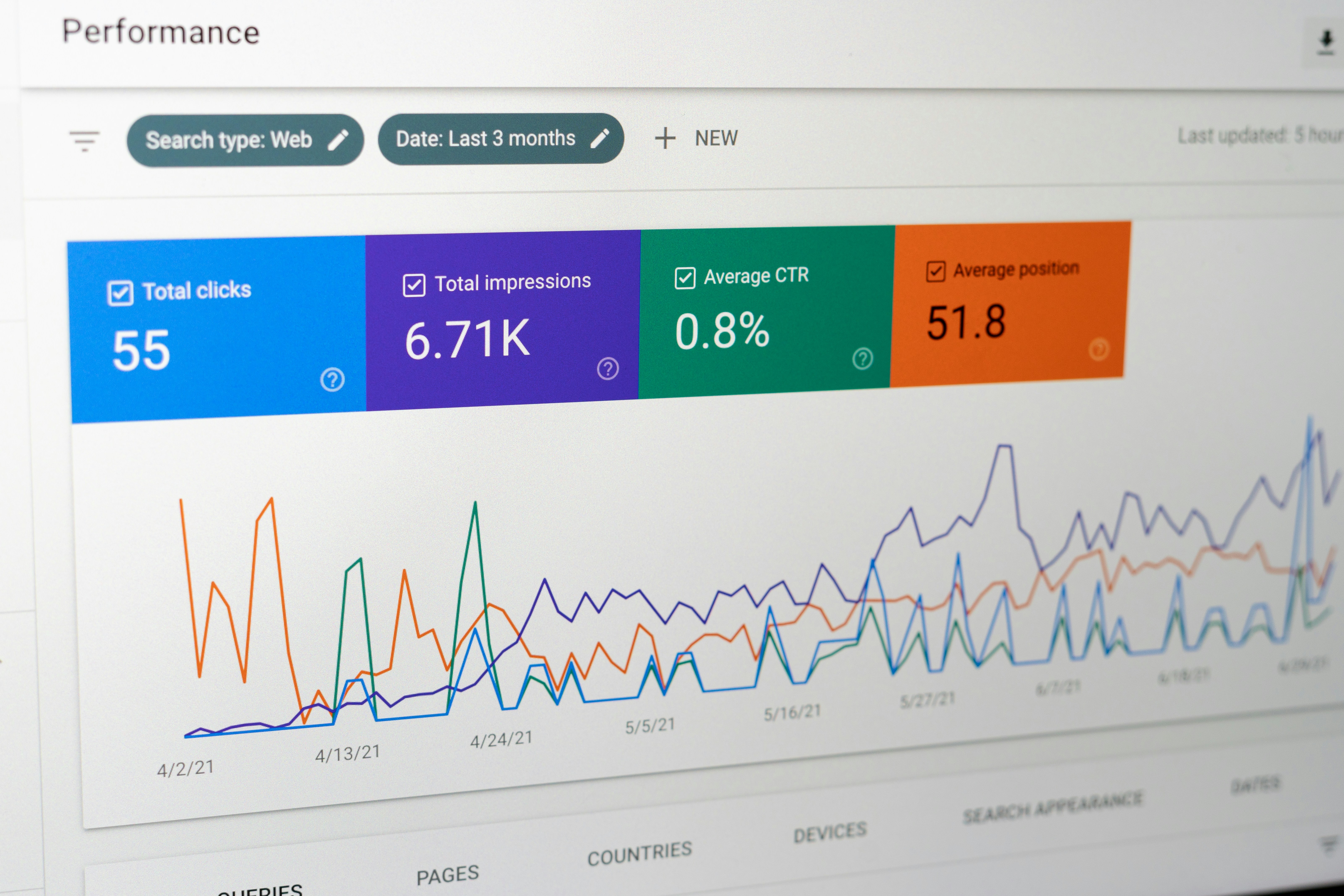
Introduction to Looker Studio
Looker Studio is a sophisticated data analytics platform that empowers users to make data-driven decisions through efficient data visualization and analysis. As a product designed primarily to cater to the growing needs of businesses, Looker Studio provides crucial tools that facilitate the integration of various data sources, including social media metrics and internal analytics. By harnessing the power of Looker Studio, organizations can uncover valuable insights and trends that would otherwise remain hidden within complex datasets.
One of the key functionalities of Looker Studio is its ability to create interactive dashboards and reports, allowing users to explore datasets dynamically. These dashboards not only enhance the user experience but also provide real-time analytics, which is essential for timely decision-making. With customizable visualizations, businesses can tailor their reports to meet specific needs, thus improving the clarity and impact of presented information. This feature is particularly beneficial for stakeholders who require a concise overview of performance metrics without delving into the intricacies of raw data.
Furthermore, Looker Studio fosters collaboration among teams by enabling users to share insights seamlessly across departments. This collaborative approach enhances transparency in decision-making processes and aligns teams towards common business objectives. By integrating social media data with traditional business intelligence metrics, Looker Studio provides a holistic view of organizational performance, showcasing how external factors influence internal metrics.
In essence, Looker Studio serves as a critical tool for businesses striving to withstand the competitive landscape. Understanding its functionalities equips users with the capability to harness analytics effectively, ensuring informed decision-making is at the forefront of their strategic objectives.
Key Features of Looker Studio
Looker Studio is designed to enhance data analysis through its array of robust features that cater to both technical and non-technical users. One of its most notable features is the customizable dashboard capability, which allows users to create tailored visual representations of data. This feature supports various widgets, charts, and graphs, enabling users to monitor key performance indicators (KPIs) at a glance. By allowing personalization of the dashboard layout, Looker Studio empowers users to focus on the metrics that matter most to their specific goals.
Data integration is another cornerstone of Looker Studio. It offers seamless connectivity with multiple data sources, including SQL databases, spreadsheets, and cloud storage services. This flexibility enables users to consolidate and analyze data from various platforms, providing a more comprehensive view of organizational performance and trend analysis. The ability to perform real-time updates ensures that decision-makers always have access to the latest information, fostering more informed and timely decision-making processes.
In addition to dashboard customization and data integration, Looker Studio excels in its visualization tools. Users can generate interactive graphs and charts that render complex datasets into easy-to-understand visuals. The platform supports drag-and-drop functionality, facilitating the creation of engaging reports without requiring extensive programming knowledge. This user-friendly approach demystifies data analytics, making it accessible for a wider audience, including business professionals and management teams who might not have a technical background.
Moreover, Looker Studio’s collaboration features allow teams to share insights easily, fostering a culture of data-driven decision-making within the organization. The ability to create and distribute reports with just a few clicks further enhances teamwork and transparency. Overall, Looker Studio stands out as a powerful tool that effectively bridges the gap between intricate data analysis and practical business applications.
Setting Up Looker Studio for Your Analytics Needs
To effectively utilize Looker Studio for your analytics operations, the initial setup is crucial. Begin by navigating to the Looker Studio homepage, where you will need to create an account or log in if you already have one. Once logged in, the first step involves linking your data sources. Looker Studio seamlessly integrates with various platforms such as Google Analytics, Google Ads, and even third-party databases. To add a data source, click on the ‘Create’ button, followed by ‘Data Source.’ From there, choose the respective platform from the provided list and follow the prompts to establish the connection, ensuring that your data is reliably imported.
After successfully linking your data sources, the next step is to customize your dashboard. Looker Studio allows for a multitude of design options to suit your specific visual preferences and analytical requirements. You can choose different chart types, tables, or graphs to represent the data. To customize a dashboard, click on ‘Reports’ and then select the ‘+ New Report’ option. Here, you can drag and drop elements as desired, thereby creating a layout that is both informative and visually appealing.
Additionally, it is advisable to leverage existing templates to maximize efficiency in reporting. Looker Studio offers a variety of pre-built templates tailored to diverse industries and common analytics needs. To explore these templates, select the ‘Template Gallery’ from the homepage, where you can choose a design that closely aligns with your reporting objectives. By using templates, you can save time and ensure that your reports are structured effectively from the outset, making data analysis more straightforward and insightful.
Integrating Social Media Data
The integration of social media data into Looker Studio is vital for businesses aiming to gain a well-rounded understanding of their market landscape. Social media platforms generate a treasure trove of analytics, allowing organizations to gauge audience engagement, refine marketing strategies, and ultimately enhance customer relationships. By incorporating these insights into the Looker Studio ecosystem, businesses can derive more valuable and actionable intelligence.
One of the primary benefits of bringing social media analytics into Looker Studio is the comprehensive view it affords users. Companies can compile data from various channels such as Facebook, Twitter, Instagram, and LinkedIn, creating a robust dataset that reflects audience perceptions and interactions. This integration enables businesses to track metrics such as reach, engagement rates, and sentiment analysis, transforming these data points into meaningful insights.
For example, an e-commerce brand might integrate their Twitter and Instagram handles to monitor engagement metrics and analyze how these interactions contribute to overall sales. By visualizing this information through Looker Studio’s customizable dashboards, the brand can determine which social media campaigns drive the highest customer conversion rates. Moreover, they can also assess the effectiveness of influencer collaborations by tracking referral traffic directly from social channels.
Furthermore, integrating social media data can unearth trends in consumer behavior over time. This allows organizations to adapt their strategies dynamically, remaining agile in a fast-paced digital environment. Thus, social media integration in Looker Studio is not merely about collecting data; it transforms social interactions into strategic insights that inform future marketing initiatives and business decisions.
Creating Effective Reports in Looker Studio
Generating comprehensive and effective reports in Looker Studio is crucial for organizations aiming to harness the power of data analytics. Reports serve as a critical tool for conveying insights gained from data analysis and ensuring stakeholders can make informed decisions. The creation of these reports should begin with a clear understanding of the audience and their specific information needs. Identifying who will read the report helps tailor the content to highlight the most relevant data and insights.
One of the best practices in Looker Studio reporting is selecting relevant metrics. The right metrics will vary by context and audience; therefore, it is essential to prioritize key performance indicators (KPIs) that align directly with the goals of the project or business. By limiting the number of metrics to those that matter most, reports can maintain focus and clarity, preventing the dilution of important insights by irrelevant data. Additionally, utilizing visualizations effectively will enhance the readability and engagement of the report.
When organizing the report, it is important to employ a logical structure that guides the reader through the findings. Starting with an executive summary can provide a snapshot of the key findings, followed by detailed sections that explore data in-depth. Using visuals such as charts, graphs, or tables to represent the data can dramatically improve understanding and retention. Appropriate labeling and concise captions accompany visual elements, ensuring the narrative is accessible to all stakeholders, regardless of their data literacy. Another key consideration is to include context, such as explanations and comparisons, which can help stakeholders interpret the data accurately.
In conclusion, creating effective reports in Looker Studio involves understanding the audience, selecting relevant metrics, organizing data logically, and utilizing visuals to enhance comprehension. Following these best practices can lead to insightful and impactful reporting that drives informed decision-making across the organization.
Use Cases of Looker Studio in Various Industries
Looker Studio, a robust analytics platform, has gained significant traction across various industries, facilitating informed decision-making through data-driven insights. One of the most notable applications of Looker Studio is in the marketing sector. Companies leverage its capabilities to analyze consumer data, track campaigns, and measure return on investment (ROI). By integrating data from multiple sources, marketers can gain a holistic view of their efforts, allowing them to identify trends and optimize strategies effectively.
In the finance industry, Looker Studio plays a crucial role in risk management and financial forecasting. Financial institutions utilize this platform to aggregate data from different departments and analyze it for anomalies or potential risks. This enables organizations to make swift, well-informed decisions that are critical in maintaining financial health and regulatory compliance. Furthermore, its ability to visualize complex datasets aids in presenting insights to stakeholders in an easily digestible format.
The e-commerce sector also benefits significantly from Looker Studio’s analytical power. Online retailers can harness data analytics to understand customer behavior, optimize inventory management, and improve the overall shopping experience. By analyzing purchasing patterns and customer demographics, e-commerce businesses can tailor promotions and enhance their marketing strategies, ultimately driving sales growth.
Other industries, such as healthcare and manufacturing, have also recognized the value of Looker Studio. In healthcare, it helps institutions track patient outcomes and operational efficiency, while in manufacturing, companies use it to monitor supply chain effectiveness and production performance. Each of these use cases emphasizes the adaptability of Looker Studio as a powerful analytics tool, empowering organizations to make informed, data-driven decisions across numerous sectors.
Troubleshooting Common Issues in Looker Studio
Looker Studio is a powerful analytics tool designed for data-driven decision-making. However, like any complex software, users may encounter various issues during their usage. Identifying and resolving these issues promptly can enhance the overall functionality of the platform. Common problems often stem from data connectivity, visualization errors, or dashboard performance.
One frequently encountered issue is problems with data connections. Users may find that their data sources are not syncing properly. This can occur due to changes in the database schema or improper authentication setups. To resolve such issues, it’s advisable to verify the data connection settings within Looker Studio. Ensure that credentials are correct and that data source settings match the anticipated structure. If errors persist, refreshing the data connection or re-adding the data source may also help rectify the situation.
Another challenge users may face involves visualization errors, where charts or graphs do not display as intended. This can occur when there are discrepancies in data types or when incompatible settings are applied. To troubleshoot these errors, carefully review the configuration of each visualization. Ensure that the data types are consistent and that the filters applied do not exclude essential data points. Moreover, utilizing the preview feature can help gauge how changes may affect your final output before publishing.
Lastly, dashboard performance can slow down due to heavy data loads or complex visualizations. Users can optimize performance by simplifying dashboards—reducing the number of visual components or filtering unnecessary data can significantly enhance speed. Utilizing Looker Studio’s built-in performance tracking tools can also assist in identifying bottlenecks. Addressing these common issues will enhance the efficiency of Looker Studio, ensuring a smoother user experience.
Best Practices for Data Visualization in Looker Studio
Data visualization in Looker Studio is a powerful tool that transforms complex datasets into comprehensible formats, enabling stakeholders to make informed decisions. To optimize data representation in Looker Studio, it is essential to follow certain best practices that enhance clarity and usability. One critical aspect involves selecting the appropriate chart type for the data being presented. Different visualization types, including bar charts, line graphs, and pie charts, serve distinct purposes. For example, bar charts are effective for comparing quantities among categories, while line graphs illustrate trends over time. Understanding the narrative behind the data will guide users in choosing the right visual form.
Another significant consideration is the effective use of color in visualizations. Colors should not only enhance the aesthetics of charts but should also serve functional purposes such as categorization and highlighting key data points. A well-structured color palette can help draw attention to critical insights while maintaining accessibility for individuals with color blindness. Utilizing contrasting colors can emphasize distinctions between data series without overwhelming the viewer. It is advisable to limit the use of colors to avoid confusion, opting for a consistent scheme throughout the analysis.
Moreover, ensuring data accuracy is paramount when crafting visualizations in Looker Studio. Misleading representations can lead to incorrect interpretations, resulting in poor decision-making. Users should verify their data sources and be meticulous in filtering and aggregating data before visualization. Descriptive labels, legends, and tooltips contribute significantly to improving user experience by providing context and clarity to the visual data. Ultimately, applying these best practices fosters an environment where data-driven insights can be effectively communicated and understood.
Conclusion: The Future of Analytics with Looker Studio
As we move toward a more data-driven world, the relevance of effective analytics tools such as Looker Studio cannot be overstated. This powerful platform not only offers robust analytics capabilities but also seamlessly integrates social data, allowing businesses to gain comprehensive insights into their operations and customer behaviors. With its intuitive interface and advanced functionalities, Looker Studio empowers organizations to make data-informed decisions that drive strategic growth.
One of the most significant advantages of Looker Studio is its ability to centralize disparate data sources. The platform streamlines data management and reporting, facilitating real-time insights that are vital in today’s fast-paced environment. Companies utilizing Looker Studio are well-positioned to harness the full potential of their data, turning raw numbers into actionable intelligence that can inform marketing strategies, optimize resources, and enhance customer engagement.
The future of analytics appears to be leaning toward even greater sophistication, and Looker Studio is at the forefront of this evolution. As the demand for data analytics continues to grow within various industries, Looker Studio is likely to adapt and expand its features, potentially integrating more advanced artificial intelligence and machine learning capabilities. Such enhancements will offer users predictive analytics tools that go beyond descriptive insights, enabling businesses to anticipate trends and customer needs proactively.
In conclusion, Looker Studio is not just a tool; it is an essential partner in the analytics landscape. Its innovative approach to analytics and social data positions it as a leader in a rapidly changing market where data is paramount. Organizations that embrace Looker Studio today will be better equipped to navigate the complexities of tomorrow’s business environment, leveraging analytics to drive forward-thinking decisions and foster sustainable growth.