Introduction to Looker Studio and Sitefinity
In today’s data-driven landscape, the need for effective data visualization and content management solutions has never been more critical. Looker Studio and Sitefinity are two prominent platforms designed to meet these needs, each offering its unique set of features that empower businesses to unlock valuable insights and improve user experiences.
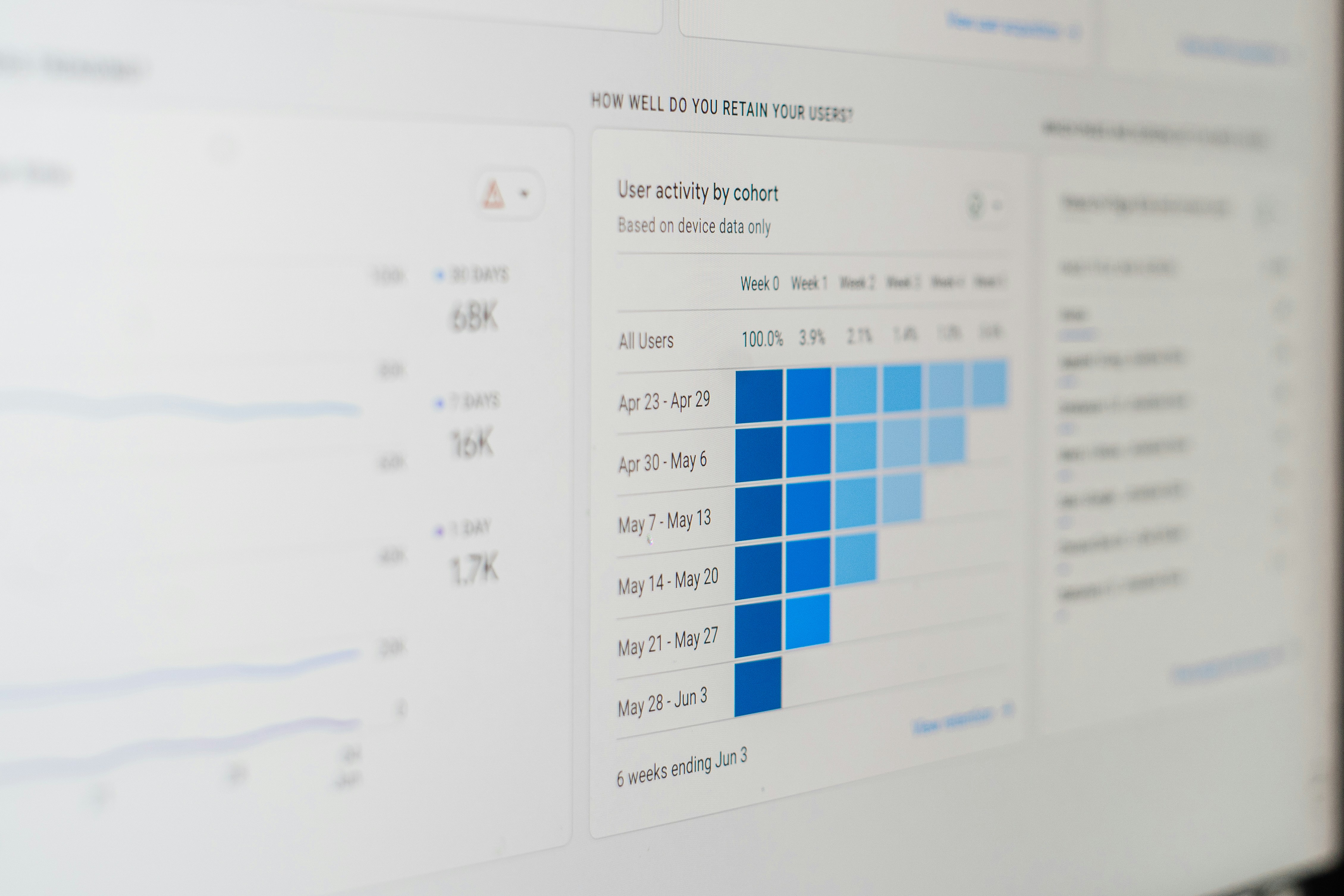
Looker Studio is a powerful data analytics and visualization tool that enables organizations to create interactive dashboards and reports. By connecting to various data sources, Looker Studio provides real-time insights that assist in informed decision-making. Its intuitive interface allows users to explore complex data sets, facilitating a deeper understanding of key metrics and trends. Furthermore, the platform supports collaboration by allowing teams to share reports and insights effortlessly, ensuring that all stakeholders are aligned in strategic planning.
On the other hand, Sitefinity serves as a comprehensive content management system (CMS) that simplifies the process of creating, managing, and delivering content across multiple channels. With its robust features, Sitefinity offers customizable templates and drag-and-drop functionalities, which make it accessible to users with varying technical expertise. The platform also incorporates powerful marketing tools, such as personalization and analytics, enabling businesses to engage their audiences effectively. Together, Looker Studio and Sitefinity complement each other, as data visualizations created in Looker can be integrated into Sitefinity websites, enhancing the overall user experience.
In essence, the synergy between Looker Studio and Sitefinity establishes a solid foundation for driving business intelligence and optimizing customer interactions. By leveraging these tools, organizations can transform data into actionable insights while delivering targeted content that resonates with their audience. This initial understanding sets the stage for a deeper exploration of how these platforms work in tandem to elevate business performance.
What is Looker Studio?
Looker Studio, a prominent business intelligence tool, serves as a powerful platform for data exploration and visualization. This tool allows organizations to leverage their data to uncover meaningful insights through robust analytical capabilities. One of its standout features is the ability to create intuitive and interactive dashboards, which enable users to visualize complex datasets in a user-friendly manner. With Looker Studio, companies can transform raw data into compelling stories that facilitate informed decision-making.
Data exploration is at the heart of Looker Studio’s functionality. Users can easily navigate through various data sources to analyze trends, patterns, and correlations. By utilizing LookML, Looker’s modeling language, users can define metrics and dimensions tailored to their unique business needs. This bespoke approach empowers teams to gain a deeper understanding of their data, ultimately driving strategy and operational excellence. Furthermore, the platform supports collaboration across teams, allowing stakeholders to access the same insights and contribute to data-driven discussions.
Another significant aspect of Looker Studio is its reporting capabilities, which help organizations streamline their analytics processes. Users can generate detailed reports that summarize critical business metrics, automating the distribution of insights to relevant stakeholders. This not only enhances productivity but also ensures that decision-makers have timely access to essential information. Looker Studio’s integration capabilities with various data sources means that organizations can operate seamlessly within their existing ecosystems, making it a versatile choice for businesses seeking effective data analytics solutions.
In summary, Looker Studio offers a comprehensive suite of tools for data exploration, dashboard creation, and reporting. Its capabilities are designed to empower businesses to make informed, data-driven decisions that enhance overall performance and strategic initiatives.
Overview of Sitefinity
Sitefinity is a robust digital experience platform designed to empower organizations in managing their online content effectively. As a content management system (CMS), it offers a suite of tools that facilitate the creation, editing, and publishing of content across various digital channels. One of the key features of Sitefinity is its user-friendly interface, which allows users with varying levels of technical expertise to navigate and utilize its functionalities efficiently.
Sitefinity excels in providing advanced content management capabilities, which enable organizations to create tailored content experiences for their audiences. This platform supports multi-channel delivery, ensuring that content can be published seamlessly across websites, social media, and other digital environments. With features such as drag-and-drop editing, version control, and content scheduling, users can streamline their workflow and enhance productivity.
Another notable feature of Sitefinity is its robust user engagement tools. These tools allow organizations to personalize the user experience by delivering targeted content based on user behavior, preferences, and demographics. By harnessing data analytics, Sitefinity enables businesses to optimize their content strategies and engage users more effectively, thereby fostering meaningful interactions and improving customer satisfaction.
Additionally, Sitefinity offers extensive customization options, allowing organizations to tailor the platform to suit their unique branding and operational needs. Developers can leverage the platform’s API and built-in widgets to create bespoke solutions that enhance overall site functionality. The flexibility of Sitefinity makes it particularly appealing for organizations looking to implement scalable and adaptable web solutions.
In summary, Sitefinity is a powerful CMS that aids organizations in optimizing their digital presence through efficient content management, user engagement capabilities, and extensive customization options. Its comprehensive features equip businesses with the necessary tools to enhance their user interactions and drive meaningful digital experiences.
Integrating Looker Studio with Sitefinity
Integrating Looker Studio with Sitefinity can significantly enhance your data analysis and reporting capabilities. The integration process ensures that you harness the full potential of both platforms, allowing for rich insights through visualizations and streamlined data management. This guide outlines the necessary steps for a successful connection between Looker Studio and Sitefinity.
First, it is essential to establish the prerequisites for integration. Make sure you have administrative access to both Looker Studio and Sitefinity, as this will facilitate configuration changes. Additionally, ensure that your Sitefinity instance is equipped with the necessary API access, which will enable Looker Studio to pull data seamlessly.
Once you have verified the prerequisites, the next step is to configure Sitefinity for integration. Begin by logging into your Sitefinity admin dashboard and navigating to the API settings. Here, you will need to create an API key specifically for Looker Studio. This key is crucial, as it authorizes Looker Studio to access data from your Sitefinity instance.
Next, proceed to Looker Studio. Upon logging in, go to the data source setup area. Choose the option to create a new data source and select the API connector option. Input the API endpoint from your Sitefinity instance, along with the API key you generated earlier. This step ensures that Looker Studio can interact with Sitefinity data.
After establishing the connection, you will want to configure the data fields and dimensions you wish to analyze. Analyze the available data types from Sitefinity and choose those that align with your reporting needs in Looker Studio. This configuration might involve data transformations to ensure compatibility with Looker’s visualization tools.
Finally, once the data source is configured and validated, you can start building reports and dashboards in Looker Studio. Explore various visualization options to gain insights from your Sitefinity data and ensure that you periodically review the integration settings for optimal performance. With these steps, you will have successfully integrated Looker Studio with Sitefinity, unlocking a wealth of data insights at your fingertips.
Benefits of Using Looker Studio and Sitefinity Together
Integrating Looker Studio with Sitefinity provides several key benefits that can significantly enhance a business’s operational efficiency and decision-making capabilities. One of the most notable advantages is the improved data visualization that organizations can achieve. Looker Studio offers a powerful suite of tools that allow users to create dynamic, interactive dashboards that visually represent complex data sets. When this capability is combined with Sitefinity’s robust content management features, businesses can analyze customer interactions and engagement metrics in a more understandable format, enabling clearer insights into user behavior.
Furthermore, the integration facilitates enhanced decision-making processes. By synthesizing data from Sitefinity and presenting it through Looker Studio’s visual analytics, stakeholders can easily identify trends and patterns that inform strategic choices. For example, a retail company can leverage this integration to analyze website traffic data alongside customer purchase behavior. The insights gleaned can guide marketing strategies, inventory management, and product development initiatives, ultimately leading to more informed, data-driven decisions.
Another significant benefit is the marked increase in operational efficiency. With Looker Studio, teams can automate the reporting processes that are often time-consuming and prone to errors when done manually. By simplifying access to real-time data from Sitefinity, companies can reduce the time spent gathering and analyzing information, allowing team members to focus on critical tasks that drive business growth.
Case studies illustrate the successful collaboration between these platforms. For instance, a digital marketing firm integrated Looker Studio with Sitefinity, resulting in a 30% increase in campaign performance evaluation efficiency. This synergy not only allowed for quicker reaction times to market changes but also enhanced the firm’s ability to tailor its strategies based on data-driven insights. These examples highlight the transformative potential of using Looker Studio alongside Sitefinity to achieve operational goals and enhance business intelligence.
Creating Custom Reports with Looker Studio
Creating custom reports with Looker Studio is a pivotal step for businesses seeking data-driven insights. Looker Studio allows users to harness the power of their data and present it in a manner that is comprehensible and actionable. The first step in the reporting process is determining the type of report needed. There are several options available, including summary reports, detailed analytical reports, and dashboard reports that provide real-time insights into key performance indicators (KPIs). Each type serves a specific purpose and caters to different stakeholder needs.
When designing custom reports, it is critical to consider the audience. Utilizing clear and concise visuals—such as graphs, charts, and tables—can enhance comprehension. Additionally, employing a consistent color scheme and layout across reports helps maintain a professional appearance and ensures that the essential information stands out. It is advisable to start with a clear objective and key questions that the report should answer. This focused approach aids in determining the metrics to include and helps prevent unnecessary data from cluttering the report.
Best practices for creating actionable reports with Looker Studio include using filters and drill-down functions to allow users to interact with the data. Providing options for data segmentation can lead to deeper insights, making the reports more relevant to specific stakeholders. Furthermore, including annotations or explanations alongside visual data elements can clarify context and enhance the understanding of findings. Regularly reviewing and updating reports based on stakeholder feedback ensures that they remain useful over time.
Ultimately, the goal of custom reporting in Looker Studio is to facilitate informed decision-making by presenting data in an insightful manner. By focusing on the needs of the audience and employing effective design strategies, organizations can create reports that not only showcase metrics but also drive meaningful action.
Determining Key Metrics for Your Reports
Identifying key performance indicators (KPIs) is essential for effective reporting and understanding business performance. KPIs are measurable values that demonstrate how effectively a company is achieving key business objectives. When determining which metrics to track, it is vital to align them with your overall business strategy. This process begins by assessing the core goals of your organization, which could range from increasing revenue, improving customer satisfaction, to enhancing operational efficiency.
One approach to cultivate a robust KPIs framework is the SMART criteria: Specific, Measurable, Achievable, Relevant, and Time-bound. By ensuring that your selected metrics meet these criteria, you lay the foundation for actionable insights. For instance, if your business goal is to increase sales, a relevant KPI could be the percentage increase in quarterly sales. This specific metric can be easily measured and provides clarity on your progress toward achieving the goal.
Additionally, it is important to consider both leading and lagging indicators when forming your KPI strategy. Leading indicators are predictive measures; for example, website traffic can indicate potential future sales growth. Conversely, lagging indicators reflect past performance, such as total sales from the previous quarter. Integrating both types of indicators offers a comprehensive perspective on your business health, enabling you to make informed decisions.
Furthermore, collaboration across departments can foster a more holistic approach to defining and selecting KPIs. Engaging teams from marketing, sales, finance, and operations ensures that the chosen metrics reflect a complete picture of performance and align with various facets of your business strategy. Once identified, these KPIs can be effectively visualized using tools like Looker Studio, allowing for more informed decision-making and strategic planning.
Troubleshooting Common Issues
Integrating Looker Studio with Sitefinity can enhance data visualization and analytics; however, users may encounter various common issues during this process. Addressing these problems promptly is crucial for maintaining workflow efficiency and ensuring accurate data representation. One frequent concern is connectivity issues between Looker Studio and Sitefinity. Users should first verify that their credentials and permissions are correctly configured. If connectivity persists as a problem, examining network settings and ensuring that firewalls allow data transfer is advisable.
Another common issue relates to data mismatches, which often arise from differences in data structure or formatting. To mitigate inconsistencies, users are encouraged to review the data sources and ensure that the schemas align appropriately. It may also be beneficial to utilize Looker Studio’s data preparation tools to clean and format data prior to integration, ensuring seamless compatibility with Sitefinity.
Furthermore, users may experience performance-related challenges when rendering reports or dashboards. To improve performance, it is recommended to limit the scope of data queries and minimize the use of complex calculations within dashboards. Regularly optimizing the underlying data model in Sitefinity can also significantly enhance load times and responsiveness in Looker Studio.
For those encountering specific error messages, consulting the official documentation of both Looker Studio and Sitefinity can provide tailored solutions. Online forums and communities dedicated to both platforms often contain a wealth of shared experiences where users can find solutions to similar issues.
In conclusion, troubleshooting common issues when integrating Looker Studio with Sitefinity necessitates a systematic approach. By addressing connectivity, data mismatches, and performance challenges, users can enhance their experience and unlock the full potential of their data analytics capabilities.
Conclusion and Next Steps
Leveraging the combined capabilities of Looker Studio and Sitefinity facilitates a robust approach to data visualization and content management. This partnership empowers organizations to harness the full potential of their data, driving informed decision-making and enhancing user engagement. By integrating Looker Studio’s comprehensive analytics tools with Sitefinity’s powerful content management system, businesses can gain critical insights into customer behavior, optimize their marketing strategies, and ultimately improve operational efficiency.
As we conclude this comprehensive guide, it is evident that employing Looker Studio alongside Sitefinity is not just beneficial, but essential for organizations aiming to stay competitive in today’s data-driven landscape. The seamless functionality between these two platforms provides a solid framework for converting raw data into actionable insights, which is vital in enhancing overall performance and achieving long-term success.
We encourage readers to delve deeper into how to utilize Looker Studio with Sitefinity. To get started, consider exploring the resources available on our website, which include detailed service descriptions and industry-specific case studies. These resources can offer further clarity on how to implement these tools effectively within your organization. Additionally, you might want to reach out through our contact page for personalized assistance or queries regarding your unique business needs. By engaging with our services and exploring our blog, you can enhance your understanding and use of these powerful platforms.
In summary, capitalizing on the synergy of Looker Studio and Sitefinity can illuminate pathways to improved data management and audience engagement, setting the stage for future growth and innovation within your organization.