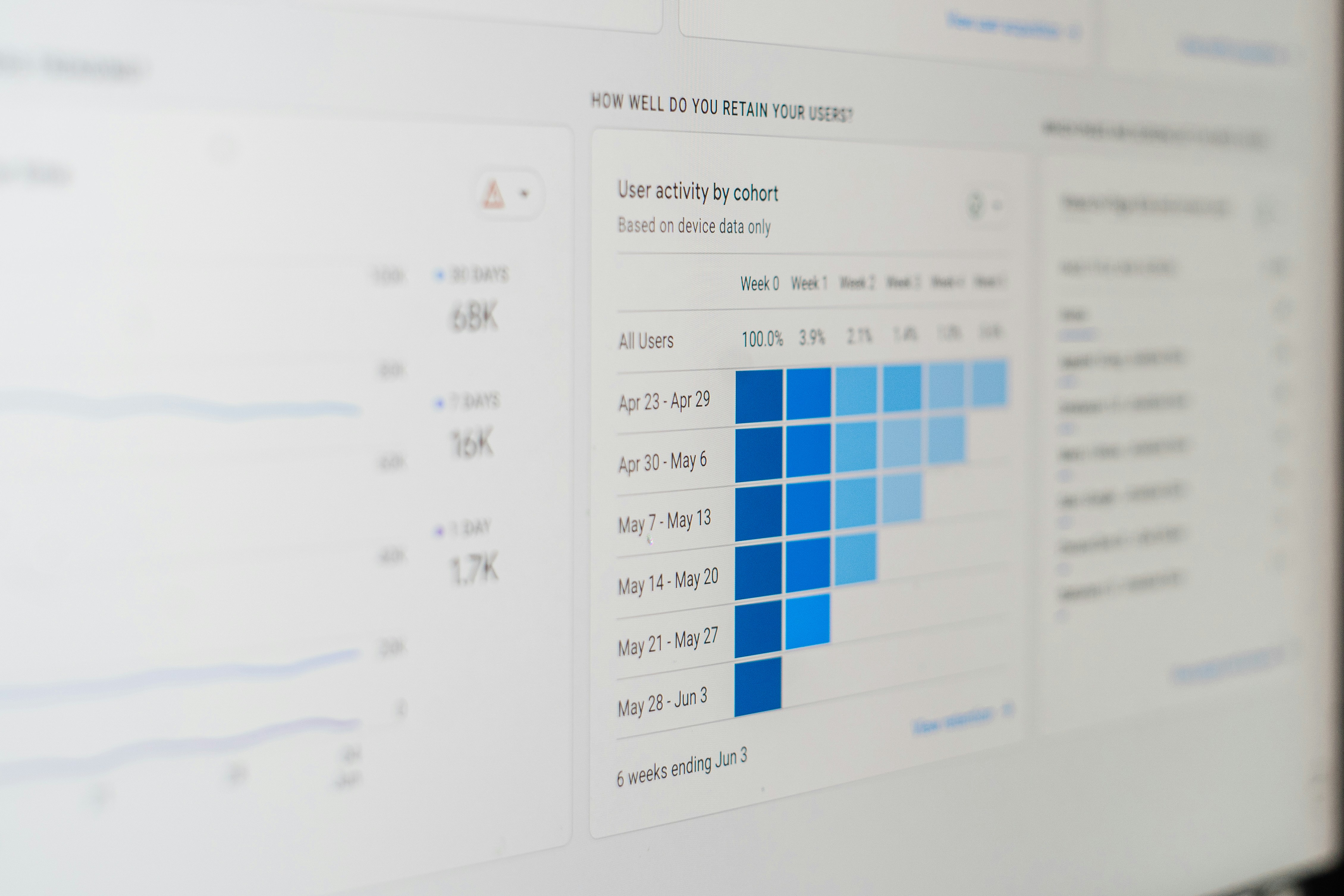
Introduction to Looker Studio and Salesforce
In the realm of business intelligence, data-driven decision-making is pivotal for success. Looker Studio and Salesforce are two robust platforms that serve distinct yet complementary roles in this context. Looker Studio, a product by Google, is designed to facilitate advanced data visualization and analytics. By allowing users to create interactive dashboards and visualizations, Looker Studio empowers businesses to extract meaningful insights from their data. Its user-friendly interface, combined with powerful analytical capabilities, makes it a prime choice for organizations looking to harness their data effectively.
On the other hand, Salesforce is a leading customer relationship management (CRM) platform that enables businesses to manage their sales, customer service, and marketing efforts all in one place. Salesforce excels in providing tools that streamline communication with customers, helping businesses improve their relationships and ultimately drive sales. Its robust ecosystem includes a myriad of applications and integrations that enhance its functionality, making it a cornerstone for many businesses striving for growth.
The significance of integrating Looker Studio with Salesforce lies in the enhanced ability to analyze customer data in a more comprehensive manner. By combining Looker Studio’s data visualization capabilities with Salesforce’s CRM functionalities, organizations can gain a holistic view of their operations. This integration allows businesses to create dynamic reports based on real-time data from Salesforce, thus providing the agile insights necessary to make informed decisions. Moreover, as companies continue to navigate an increasingly data-driven landscape, the integration of these two powerful tools becomes essential for optimizing performance and identifying opportunities for growth.
Benefits of Integrating Looker Studio with Salesforce
The integration of Looker Studio with Salesforce offers numerous advantages that significantly enhance the business intelligence capabilities of organizations. One of the most notable benefits is the improved data visualization. Looker Studio excels in providing intuitive dashboards and rich visual representations of data, making complex datasets understandable at a glance. By merging this visual prowess with the extensive data collected in Salesforce, users can effortlessly identify trends, track performance metrics, and glean actionable insights to drive strategic decision-making.
Another key advantage lies in the real-time reporting capabilities that this integration facilitates. With Salesforce continuously gathering data across various touchpoints, Looker Studio’s ability to process and present this information in real time empowers organizations to make prompt and informed decisions. The immediacy of insights can be crucial, particularly in a fast-paced business environment where timely responses can create a competitive edge.
Simplified access to data is yet another benefit of integrating Looker Studio with Salesforce. Users can seamlessly connect to and explore their Salesforce data within Looker Studio without the cumbersome task of data extraction or manual uploads. This streamlined access ensures that employees spend less time wrestling with data retrieval and more time focusing on analysis and strategy, ultimately fostering a data-driven culture across the organization.
Finally, the consolidation of insights from both Looker Studio and Salesforce significantly enhances the decision-making process. By leveraging combined data and insights, organizations can develop a more comprehensive view of their operations, performance, and customer interactions. This holistic perspective allows leaders to align their strategies more closely with actual business performance, thereby fostering greater organizational agility and responsiveness in an ever-evolving market landscape.
Step-by-Step Guide to Integrating Looker Studio with Salesforce
Integrating Looker Studio with Salesforce is a powerful way to enhance your business intelligence capabilities. This guide will walk you through the essential steps required for a smooth and effective integration. Before you begin, ensure that you have administrative access to both your Salesforce account and Looker Studio.
First, verify that your Salesforce instance meets the prerequisites for integration. Typically, you will need an active Salesforce account, and it is beneficial to have the Salesforce API enabled. This can typically be done through the Salesforce setup menu under the ‘API’ settings. Looker Studio requires that users have sufficient permissions to create and manage connections, so make sure your account has the appropriate roles assigned.
Next, launch Looker Studio and navigate to the ‘Data Sources’ section. Here, you will select the option to create a new data source and look for Salesforce connectors. Once you have located it, initiate the connection process. This will involve authenticating your Salesforce account, where you will be prompted to log in and approve the connection request, thereby allowing Looker Studio to access your Salesforce data.
After establishing the connection, you will have the option to customize your data source by selecting specific objects and fields from Salesforce that you want to include in Looker Studio. Ensure that these selections align with your reporting needs and objectives. It is advisable to preview the data before finalizing to ensure that it is accurate and relevant.
Finally, should you encounter any issues during the integration, common troubleshooting tips include checking your internet connection, ensuring that you have the latest version of your web browser, and verifying user permissions. Additionally, if discrepancies in the data arise, revisit your selected fields and confirm their availability in Salesforce. By following these outlined steps, you can successfully integrate Looker Studio with Salesforce and unlock a wealth of insights for your organization.
Common Use Cases for Looker Studio and Salesforce Integration
The integration of Looker Studio and Salesforce presents organizations with a variety of use cases that can significantly enhance business intelligence across various industries. By combining Looker’s powerful data visualization capabilities with Salesforce’s comprehensive customer relationship management (CRM) features, organizations can derive valuable insights that inform their strategies and decision-making processes.
One prevalent use case is in marketing analytics. Businesses can leverage the integration to analyze campaign performance by correlating Salesforce data—such as leads generated and customer engagement—with metrics visualized in Looker. This enables marketers to identify which strategies yield the highest ROI, thus facilitating the optimization of future marketing efforts. For instance, a retail company might use this integration to assess traffic generated from different advertising channels and align their campaigns accordingly.
Sales forecasting is another critical application. Organizations can harness historical sales data from Salesforce alongside predictive models in Looker Studio to create accurate sales forecasts. By analyzing trends and patterns, sales teams can make more informed decisions, allocate resources efficiently, and set realistic targets. A manufacturing firm could utilize this feature to predict product demand, ensuring that production schedules and inventory levels meet anticipated market needs.
Customer insights can also be greatly enhanced through this integration. By merging customer data from Salesforce with analytics from Looker Studio, organizations can understand customer behavior better, leading to improved engagement strategies. For example, a financial services firm may analyze customer interactions and transaction histories to identify opportunities for cross-selling and upselling tailored products.
Lastly, operational efficiency is improved as businesses gain access to integrated data that illuminates performance metrics across departments. With Looker’s visualization tools, operational metrics can be tracked in real-time, enabling quick adjustments and streamlined workflows. A telecommunications company, for example, might analyze service performance data alongside customer feedback to enhance service quality promptly.
Creating Engaging Reports and Dashboards in Looker Studio
The integration of Salesforce data into Looker Studio allows businesses to construct reports and dashboards that not only fulfill operational needs but also engage stakeholders effectively. The visual appeal and clarity of these reports are crucial for driving insights and facilitating informed decision-making. The process begins with selecting the right data fields from Salesforce that align with the objectives of the report, ensuring the final output is relevant and insightful.
To create visually engaging reports, users should consider customizing their dashboards with diverse types of visualizations. Looker Studio offers a variety of chart options, including bar, line, pie charts, and geographical maps, which can be tailored according to the metrics that matter most to the audience. This flexibility enables users to represent data in ways that are not only informative but also easy to interpret. Utilizing color coding and intuitive legends can further enhance the readability of the data being displayed.
The layout of the report plays a vital role in engaging users; hence, it is essential to structure content logically. Key insights should be positioned to capture immediate attention, allowing viewers to grasp the essential messages quickly. Regularly updating these reports with real-time data from Salesforce can also keep the information relevant and timely, further elevating user engagement levels.
In addition, incorporating user interactivity can significantly enhance stakeholder experience. Looker Studio allows for the inclusion of filters and slicers that let users customize their views based on specific parameters. This level of customization empowers stakeholders, as they can analyze data that is most pertinent to their needs, fostering a participative approach to business intelligence.
Ultimately, leveraging Looker Studio for creating engaging reports and dashboards, especially when integrated with Salesforce data, can lead to improved communication of insights and better decision-making within the organization.
Best Practices for Data Management and Accuracy
Integrating Looker Studio with Salesforce significantly enhances business intelligence capabilities, but the effectiveness of this integration relies heavily on robust data management practices. One of the foremost practices is data cleansing, which involves identifying and rectifying inaccuracies, inconsistencies, or incomplete data within your Salesforce database. Regular data cleansing ensures that the information fed into Looker Studio is reliable, thereby improving the accuracy of reports generated. Efficient data cleansing can involve utilizing tools that automate the identification of duplicates and anomalies, which reduces the manual workload and enhances efficiency.
Maintaining data integrity is equally crucial. This entails implementing strict protocols and governance policies to ensure data remains accurate and consistent over time. Data integrity is fostered through regular audits and validation processes, which can help identify discrepancies that might otherwise lead to erroneous insights when using Looker Studio for analysis. Establishing clear roles and responsibilities for data entry and management within Salesforce is recommended to uphold these standards consistently.
Regular updates are another critical aspect of data management. Data within Salesforce is dynamic and requires periodic reviews and updates to reflect the latest changes in the business environment. Schedule frequent updates to sync data from Salesforce to Looker Studio, allowing for real-time insights while ensuring that decision-makers have access to the most current information.
Finally, user training cannot be overlooked. Providing training sessions for employees on how to use Looker Studio and Salesforce effectively is essential in preventing data inaccuracies in reporting. Well-informed users will better understand the importance of data management practices, leading to enhanced accountability and more precise business intelligence. In conclusion, by adopting these best practices, organizations can maximize the value derived from their Looker Studio and Salesforce integration, ensuring data-driven decisions are based on accurate and reliable insights.
Challenges and Troubleshooting Integration Issues
Integrating Looker Studio with Salesforce can significantly enhance business intelligence capabilities. However, organizations may encounter several challenges during this process. Addressing these issues proactively can help ensure a smoother integration experience.
One common challenge is related to API connectivity. Users may face difficulties when establishing a connection between Looker Studio and Salesforce due to firewall settings or incorrect API credentials. It is crucial to verify that the right API endpoints are being used and that firewalls are configured to permit necessary traffic. Additionally, ensuring that the Salesforce API version is compatible with Looker Studio is essential for successful integration.
Another frequent issue arises from permission settings. Users might find that they do not have the appropriate permissions in Salesforce to access or retrieve the required data. It is advisable to review role-based access controls in Salesforce to ensure that the integration user possesses the correct permissions to connect with Looker Studio effectively. Modifying permissions accordingly can resolve these connectivity obstacles.
Data discrepancies represent another challenge faced during integration. Differences in data formats or schemas between Looker Studio and Salesforce can lead to inaccurate reporting and decision-making. To mitigate this, users should conduct thorough data mapping before integrating the platforms. Establishing a clear data model that outlines how data is structured in each system can help identify issues early in the integration process.
When these challenges arise, troubleshooting methods may include checking logs for error messages, validating configuration settings, and utilizing the support resources provided by both Looker Studio and Salesforce. By addressing these common obstacles proactively, organizations can ensure a successful integration and optimize their business intelligence capabilities.
Future Trends: The Evolution of Business Intelligence Tools
The landscape of business intelligence tools is continuously evolving, driven by technological advancements and shifting user needs. The integration of Looker Studio and Salesforce is paving the way for a future where artificial intelligence (AI) plays a central role in business analytics. The potential of AI-enhanced analytics lies in its ability to process vast amounts of data at unprecedented speeds, uncovering patterns and insights that were previously unattainable. Companies are increasingly looking for tools that can not only visualize data but also provide actionable recommendations based on predictive modeling.
One of the foremost trends in the realm of business intelligence is the incorporation of predictive reporting features. These features will enable organizations to anticipate future trends and behaviors, allowing them to make informed decisions. As Looker Studio integrates more deeply with Salesforce, it is expected to offer predictive analytics capabilities that help businesses optimize their strategies and respond proactively to market changes. This shift towards predictive intelligence will empower users with foresight, turning data into a strategic asset.
Additionally, evolving user needs are driving the demand for more intuitive interfaces and self-service options in business intelligence tools. Users are increasingly seeking tools that democratize data access across their organizations. The integration of Looker Studio and Salesforce is likely to facilitate the development of user-friendly dashboards and customized reporting formats, making it easier for non-technical users to interpret and act on data insights. This democratization of data access will ensure that all employees, regardless of their technical expertise, can leverage business intelligence effectively.
As we look to the future, the combination of AI, predictive analytics, and user-centric design will define the next generation of business intelligence tools. Organizations that embrace these trends are likely to unlock greater potential, enhancing their ability to make data-driven decisions in an increasingly complex business environment.
Conclusion: Leveraging Integrated Insights for Business Growth
In today’s dynamic business environment, the integration of Looker Studio and Salesforce emerges as a pivotal strategy in enhancing business intelligence and fostering informed decision-making. Throughout this blog post, we have explored how the combined capabilities of these tools can empower organizations to unlock invaluable insights from their data. By seamlessly merging Looker Studio’s powerful data visualization functions with Salesforce’s comprehensive customer relationship management features, businesses can better understand their performance metrics and market trends.
The synergy created by this integration facilitates enhanced data analytics, enabling users to transform raw data into actionable insights. This not only streamlines reporting processes but also improves user engagement and productivity. Through advanced analytics provided by Looker Studio, businesses can visualize and interpret complex data sets more effectively, driving strategic decisions that can significantly contribute to growth.
Moreover, the ability to customize and personalize dashboards within Looker Studio, combined with Salesforce’s robust data management, allows organizations to focus on key performance indicators relevant to their objectives. Such measures ensure that teams are aligned towards common goals, thereby optimizing effort and resources. By adopting this integrated approach, companies can identify new opportunities for revenue and enhance their overall operational efficiency.
For businesses aiming to harness the full potential of their data, engaging with the combined features of Looker Studio and Salesforce is essential. To maximize the benefits of this integration, organizations should begin by assessing their specific data needs and creating a roadmap for implementation. Investing time and resources in these powerful tools will undoubtedly lead to enhanced analytics capabilities, empowering businesses to navigate challenges and seize opportunities effectively. As we move forward, it is crucial to embrace these integrated insights as a catalyst for sustainable business growth.