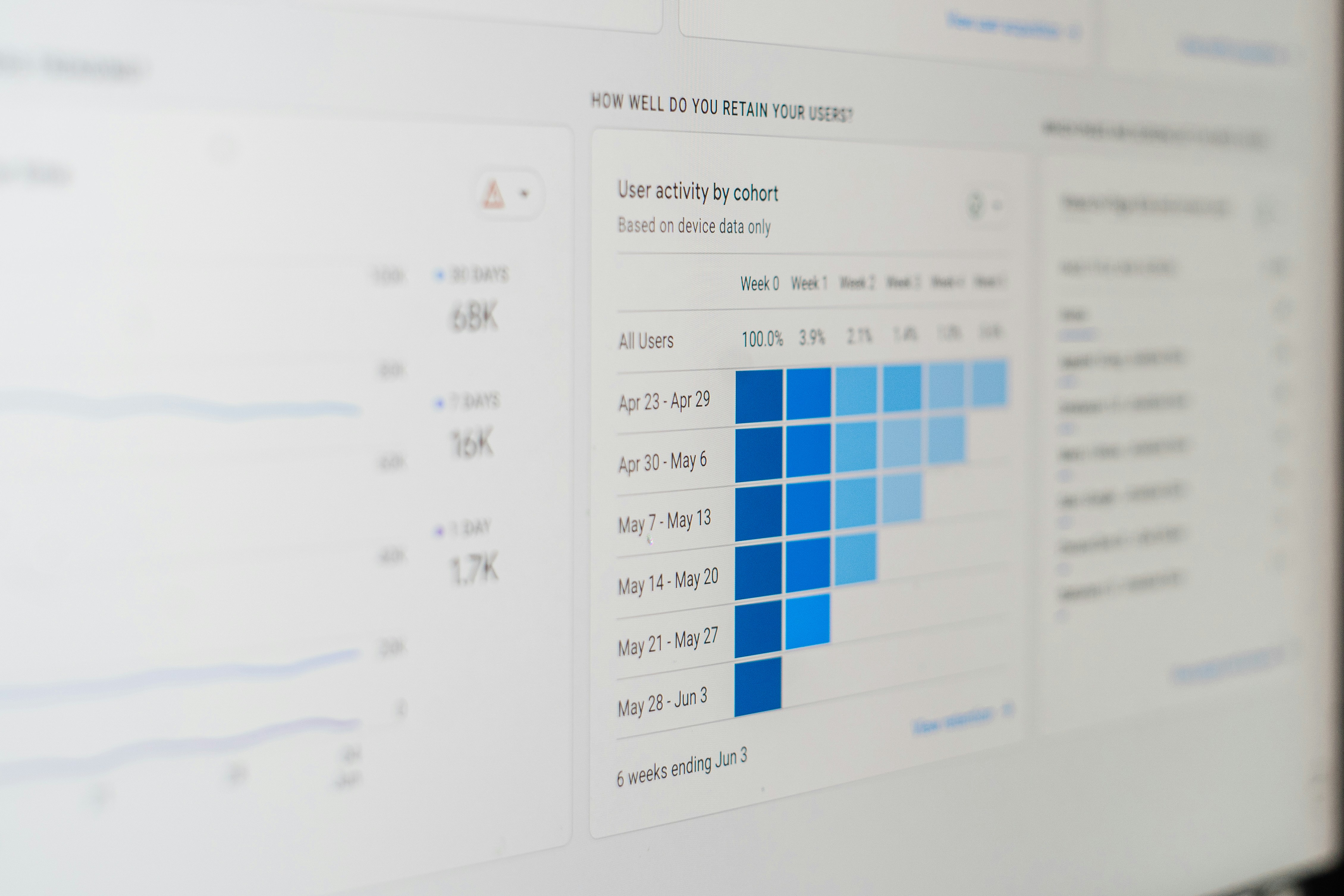
Introduction to Looker Studio and Competition Insights API
Looker Studio is an advanced data exploration and visualization platform that empowers organizations to harness their data effectively. By providing intuitive tools for data analysis, visualization, and reporting, it enables users to make informed decisions based on actionable insights. With Looker Studio, businesses can aggregate disparate data sources, allowing for streamlined collaboration and improved organizational efficiency. This platform supports a wide variety of data connectors, ensuring that users can work with the data that matters most to them.
Central to optimizing Looker Studio’s capabilities is the Competition Insights API. This specialized application programming interface serves as a robust conduit for accessing competitive intelligence, offering businesses essential data that enhances their analytics and strategic decision-making processes. The Competition Insights API is designed to empower users with detailed insights into their competitive landscape, uncovering trends and patterns that would otherwise be difficult to identify. Through its comprehensive data sets, organizations can gain a clearer understanding of market dynamics and competitor performance.
The primary goal of utilizing the Competition Insights API is to elevate an organization’s analytics approach. By integrating real-time competitive data into Looker Studio, businesses can develop a well-rounded perspective on their performance in the market. This integration allows users to make timely adjustments to their strategies, ultimately leading to improved outcomes. The target audience for the Competition Insights API includes data analysts, marketing professionals, and strategic planners, who require access to competitive insights tailored to their specific needs. In sum, Looker Studio, paired with the Competition Insights API, offers a powerful framework for organizations to unlock the full potential of their data and stay ahead in an increasingly competitive marketplace.
Understanding the Benefits of Competition Insights
Competition Insights serves as a crucial tool for businesses and analysts striving to gain a competitive edge in today’s marketplace. Through the use of advanced API documentation, it enables users to gather and analyze competitive intelligence with remarkable efficiency. The advantages of utilizing Competition Insights are multifaceted, each contributing to enhanced strategic planning and informed decision-making.
One of the primary benefits of Competition Insights is its ability to consolidate and deliver comprehensive market data. This feature allows organizations to track competitors’ activities, from their marketing strategies to product releases. By integrating data from various sources, analysts can develop a holistic view of market dynamics, thereby improving their understanding of industry trends and consumer preferences. Such insights are valuable for identifying opportunities and threats aligned with competitive forces.
Another significant advantage is the facilitation of data-driven decision-making. When armed with reliable and actionable information, businesses can optimize their strategies, ensuring that their efforts are aligned with real-time market conditions. This capability not only enhances the accuracy of predictive analytics but also supports risk assessment by providing clarity on potential market shifts. Companies leveraging Competition Insights can make more informed choices about product development, pricing strategies, and promotional campaigns.
Moreover, the API supports continuous monitoring, allowing businesses to stay ahead of their competitors. By regularly analyzing updated insights, organizations can adapt their strategies, maintain relevance, and effectively respond to changing market landscapes. This ongoing analysis highlights the importance of remaining agile and alerts executives to emerging trends, facilitating timely adjustments that can boost market positioning.
In summary, Competition Insights offers numerous benefits that streamline the collection of competitive intelligence and enhance strategic planning. By utilizing its capabilities, businesses can improve their market understanding and foster a data-driven approach to decision-making, ultimately driving growth and success.
Key Features of the Competition Insights API
The Competition Insights API is a powerful tool designed to facilitate access to various data points that can enhance data analytics processes. Its key features encompass efficient data access methods, support for multiple data types, and robust integration capabilities with other systems. These features collectively empower users to obtain vital insights that can inform strategic decision-making and fuel competitive advantage.
One of the fundamental aspects of the Competition Insights API is its diverse data access methods. Users can retrieve data through RESTful API calls, making it easy to interact with the system programmatically. The API employs standard HTTP methods such as GET, POST, PUT, and DELETE, which allows for seamless data querying and manipulation. This method assures adaptability, permitting users to customize their requests based on specific analytic requirements and use cases.
In terms of supported data types, the API offers a wide array of options, ranging from structured data types like integers and strings to more complex formats like JSON and XML. This versatility enables users to ingest, process, and export data in formats that are most suitable for their analytics frameworks, thereby enhancing interoperability across various platforms and tools.
Another essential feature is the API’s integration capabilities. The Competition Insights API is designed to work harmoniously with other systems and data sources. This means users can easily integrate it with existing data analytics platforms, CRM systems, or any other third-party applications, thereby creating a cohesive data ecosystem. By aggregating data from different sources, users can derive deeper insights and a more comprehensive understanding of market dynamics.
Ultimately, the Competition Insights API serves as a crucial resource for users looking to enhance their data analytics processes. Its combination of flexible data access methods, support for varied data types, and integration capabilities establishes it as a key player in unlocking actionable insights.
Getting Started with the Competition Insights API
To effectively utilize the Competition Insights API, users must first set up the necessary components for interaction. This process begins with obtaining API keys, which act as permission tokens for accessing the API. To acquire an API key, navigate to the Looker Studio platform and log in to your account. Once logged in, visit the API section within the developer console, where you can generate a new key. Ensure you store your key securely, as it will be required for all subsequent API requests.
Next, users should familiarize themselves with the API endpoints available and the specific data they return. This understanding is crucial for making informed requests and tailoring them to meet particular business needs. For initial hands-on experience, construct a simple request to retrieve competition insights data. Utilize a tool such as Postman or any programming language that supports HTTP requests. In the request, include the API key in the header to authenticate your session, while specifying the desired endpoint to target specific insights.
After sending the request, users will receive a response that contains valuable information. The output format is typically in JSON, providing a structured view of the data accessed through the API. Familiarize yourself with the response structure, as it contains metadata about the request, alongside the actual insights, which include metrics and statistics pertaining to competitive analysis. This comprehensive understanding of how to initiate an API call and interpret the data is essential for leveraging the full potential of the Competition Insights API. By following these steps diligently, users can confidently navigate the complexities of competitive data acquisition.
Data Retrieval and Management
Efficient data retrieval and management are critical aspects when utilizing the Competition Insights API in Looker Studio. To leverage this API effectively, users must familiarize themselves with the various endpoints designed for diverse data needs. These endpoints serve as gateways to accessing valuable insights, including competitor performance metrics, market trends, and consumer behavior analytics.
Among the key endpoints, the “Competitor Overview,” “Market Trends,” and “Performance Metrics” are particularly noteworthy. The “Competitor Overview” endpoint enables users to collect data on competitor activities, including their strengths, weaknesses, and strategies. Meanwhile, the “Market Trends” endpoint provides insights into evolving consumer preferences, allowing businesses to adapt their strategies accordingly. Lastly, the “Performance Metrics” endpoint offers detailed analytics on specific performance indicators relevant to the industry.
Commonly employed queries can help streamline the data retrieval process. Users should consider utilizing filters and parameters to narrow down their search results, ensuring that the data retrieved is relevant to their specific requirements. For example, applying date ranges or specific competitor names can yield more targeted results, thereby enhancing the overall analysis.
Managing the data retrieved from the API involves implementing best practices that ensure accuracy and relevancy. Regular data validation checks will help in identifying discrepancies or outdated information. Additionally, it is advisable to document the data sources and retrieval methods to maintain clarity and consistency in reporting. Employing data visualization techniques can significantly enhance the interpretation of analytics, making insights more accessible to stakeholders.
In conclusion, understanding the dynamics of data retrieval and management within the Competition Insights API is paramount for effective utilization. By mastering the available endpoints and employing strategic queries, users can derive actionable insights that bolster competitive analysis and decision-making processes.
Use Cases for the Competition Insights API
The Competition Insights API offers a robust platform for businesses seeking to enhance their competitive analysis and market research capabilities. Various industries can leverage this tool to gain valuable insights, thereby gaining a strategic advantage. In the retail sector, for example, companies can utilize the API to monitor competitor pricing, promotional strategies, and customer preferences. By analyzing real-time data, retailers can adjust their own offerings and tailor marketing efforts to better meet consumer demand.
In the technology industry, organizations can benefit from the Competition Insights API by keeping tabs on emerging trends and innovation patterns among rivals. Tech companies can track product launches, feature updates, and market positioning of competitors. Such insights help businesses stay competitive by enabling them to proactively adapt their product development and marketing strategies in response to industry shifts.
Financial institutions, such as banks and investment firms, can also utilize the API for market intelligence. By analyzing competitive metrics, they can identify market gaps and capitalize on new opportunities within the financial landscape. Furthermore, understanding the competitive positioning of other financial players can guide strategic decisions related to mergers, acquisitions, or service enhancements.
The healthcare sector presents another opportunity for the application of the Competition Insights API. Healthcare providers can analyze competitors’ service offerings, patient experiences, and operational efficiencies. This information is crucial for improving service delivery and patient satisfaction, ultimately leading to a better reputation and patient retention.
Moreover, the hospitality industry can employ the API to gauge competitor performance in terms of occupancy rates, pricing models, and customer reviews. By synthesizing these insights, businesses can develop strategies to enhance guest experiences and optimize marketing approaches. In conclusion, the Competition Insights API serves as a versatile tool that supports a variety of industries in seeking competitive advantages through informed decision-making and actionable insights.
Troubleshooting Common Issues
Using the Competition Insights API can greatly enhance your data analysis capabilities, but users may sometimes encounter issues that hinder productivity. Understanding how to troubleshoot these common problems is essential for maximizing the utility of the API. One of the first steps in effective troubleshooting is error handling. When an error occurs, the API typically returns a status code along with an error message. It is crucial to familiarize yourself with these codes, as they provide immediate insight into the nature of the problem.
Common error messages may range from authentication issues to rate limit exceedances. For instance, if you receive a 401 Unauthorized error, this indicates that your API credentials may be incorrect or that your access token has expired. Verify your credentials and ensure you are following the correct authentication method outlined in the Competition Insights API documentation. Similarly, if you encounter a 429 Too Many Requests error, this signifies that you have exceeded your allotted request limits. Reviewing the documentation for rate limits can assist you in adjusting the frequency of your API calls.
In addition to understanding error messages, effective debugging strategies can further aid in resolving issues. One helpful tip is to replicate your requests in a controlled environment, such as Postman or cURL, which allows you to modify parameters and analyze responses without the complexity of your application code. Logging your requests and responses, including headers and payloads, can also provide context during debugging. Real-time monitoring tools can assist in identifying bottlenecks or repeat errors.
By developing a solid grasp of error handling, interpreting error messages, and employing strong debugging practices, users can effectively navigate common issues with the Competition Insights API. This proactive approach ensures a smoother experience and greater reliance on the API’s capabilities.
Best Practices for Using the Competition Insights API
Utilizing the Competition Insights API effectively requires a structured approach to ensure optimal performance and data security. One of the foremost practices is to enforce robust data security measures. This involves implementing secure authentication methods, such as OAuth 2.0, to safeguard sensitive information. Additionally, always ensure that sensitive data is transmitted over HTTPS to prevent unauthorized access during data exchange.
Another key practice is optimizing your queries. When interacting with the Competition Insights API, it is crucial to formulate precise queries to limit the amount of data returned. This not only enhances response times but also reduces the load on the server. Consider filtering data by specific parameters relevant to your analysis, such as date ranges or specific metrics. Utilizing pagination in your requests can help manage large datasets more efficiently, allowing you to retrieve data in manageable chunks rather than overwhelming the API with single, large requests.
Maintaining API usage within defined limits is also vital for uninterrupted service. Frequent use of the Competition Insights API should be monitored to ensure compliance with the established rate limits. It is advisable to implement error handling in your application to gracefully manage any issues that may arise from exceeding these limits. Monitoring your usage can help identify patterns, allowing you to optimize requests and distribute workloads evenly. Furthermore, consider scheduling non-essential API requests during off-peak hours to alleviate server strain.
By adopting these best practices—focusing on data security, optimizing queries, and adhering to usage limits—users can enhance their experience while interacting with the Competition Insights API, ultimately leading to more productive outcomes and valuable insights.
Additional Resources and Contacts
To fully utilize the capabilities of Looker Studio and enhance your understanding of the Competition Insights API, several resources are available at your disposal. First and foremost, the Looker Studio home page serves as the primary hub for accessing essential information about the platform. Here, users can explore various features and functionalities that Looker Studio offers to transform data analysis and visualization.
For detailed technical guidance, the API documentation is indispensable. It provides comprehensive instructions on how to implement the Competition Insights API effectively. The documentation includes examples, integration guidelines, and best practices for utilizing the API to drive competitive analysis. Thorough comprehension of these materials will facilitate a smoother experience when accessing and interpreting data through Looker Studio.
In addition to the documentation, various tutorials are readily available for users seeking step-by-step assistance. These tutorials cover a range of topics, from basic setup processes to advanced data manipulation techniques, catering to both novice users and experienced data analysts. They can significantly enhance your ability to leverage Looker Studio’s tools and features for insightful analytics.
If you find yourself needing further assistance, do not hesitate to reach out through the contact options provided. You can connect with the support team via the contact page on the R.G. Gupta website, which also provides insightful links to additional blog content and service pages. Exploring these resources will deepen your understanding and effectiveness with Looker Studio, ensuring you can make the most of its powerful capabilities.