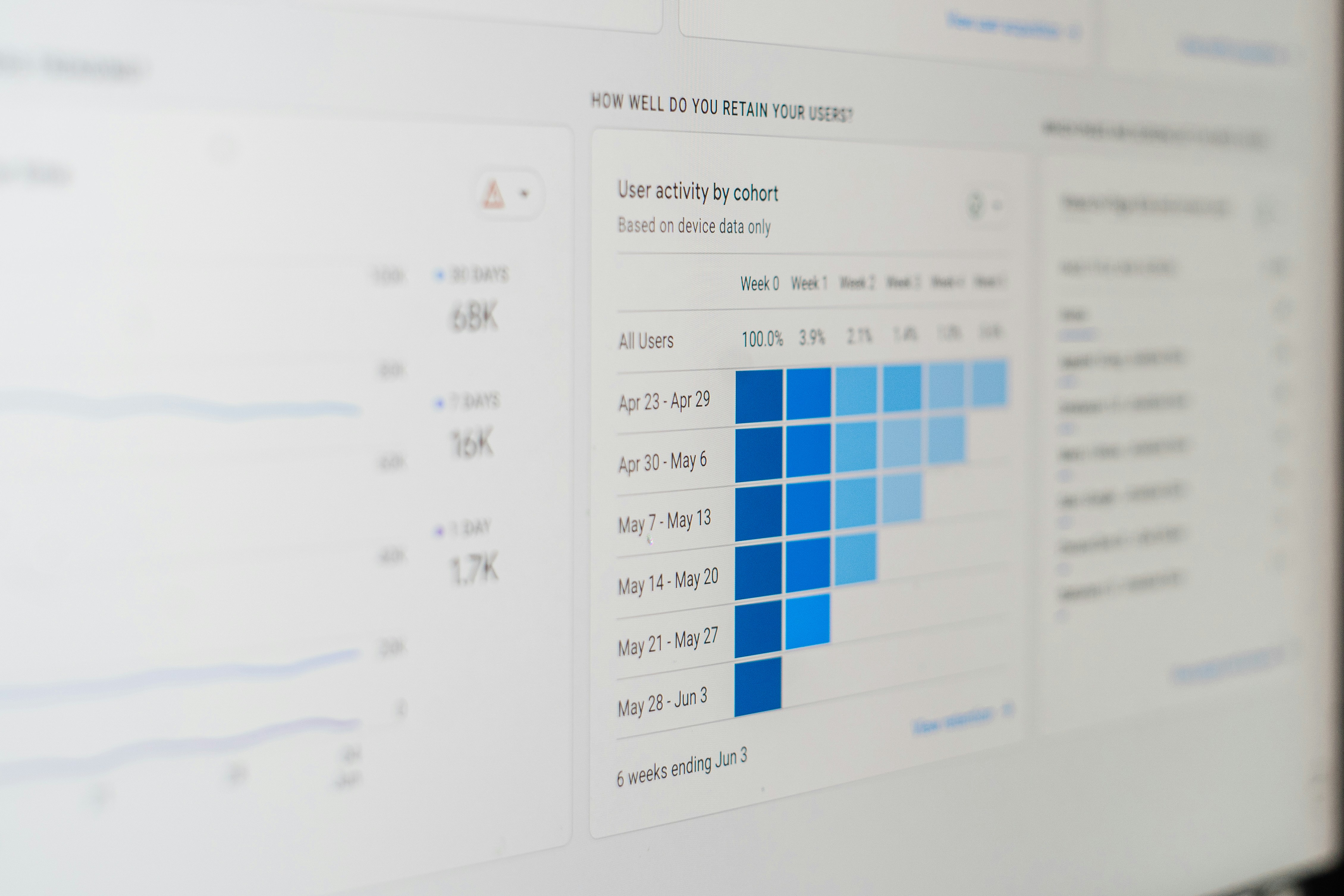
Introduction to Looker Studio
Looker Studio is an advanced data analytics platform that empowers organizations to derive actionable insights from their data. It plays a pivotal role in the business intelligence landscape by offering tools that facilitate data visualization and exploration. Through its user-friendly interface, Looker Studio enables users to create dynamic dashboards and reports that cater to varying business needs.
One of the primary features of Looker Studio is its powerful data modeling capabilities. Users can connect and integrate an array of data sources, from SQL databases to cloud-based analytics solutions, creating a seamless data environment. By establishing a centralized repository for data, Looker Studio enhances the accessibility and governance of information across the organization. This connectivity not only ensures real-time data insights but also fosters collaboration among teams, allowing for more informed decision-making.
In addition to its data management features, Looker Studio offers robust visualization tools. Users can create customizable charts, graphs, and other visual elements that effectively communicate the story behind the data. This visual communication is essential in making complex data understandable for diverse audiences within an organization.
Moreover, Looker Studio ensures data security and compliance through various access controls and privacy measures. As organizations handle increasing amounts of sensitive information, maintaining data integrity is paramount. Looker Studio’s capabilities in this area make it a trustworthy choice for companies across industries.
Overall, Looker Studio stands out as a valuable tool in the realm of data analytics, providing the necessary features to uncover insights, drive performance, and support strategic initiatives. Its integration capabilities, visualization functionalities, and commitment to data security collectively make it an indispensable asset for businesses aiming to leverage data effectively.
Getting Started with Looker Studio
Embarking on your journey with Looker Studio requires a clear understanding of its foundational steps. The first action is to create an account. To do this, navigate to the Looker Studio website and select the option to sign up. Users will need to provide some basic information, such as an email address and a password, to establish their account. Once you’ve completed the registration process, you will receive a confirmation email to verify your account, granting you access to Looker Studio’s robust features.
After successfully logging in, the next step involves connecting your data sources. Looker Studio supports a myriad of data connections, ranging from Google Sheets to various SQL databases, and even Google Analytics. To add a data source, click on the “Create” button found on the main dashboard, then select “Data Source.” A menu will appear, displaying the available integrations. Choose the appropriate data connection option, follow the prompts to authenticate, and then select the specific dataset you wish to utilize. This step is crucial for ensuring that your visualizations are built on accurate and relevant data.
Once your data source is linked, you can navigate the Looker Studio interface with ease. The layout is user-friendly, featuring a left sidebar that houses your data sources, and a central workspace for designing your reports and dashboards. Familiarize yourself with key components such as the “Chart” button, which provides options for various visualization types, including tables, graphs, and more. Additionally, you will find the “Explore” section invaluable for diving deeper into your datasets. With a solid grasp of these initial setup steps, you are now equipped to leverage the powerful analytical capabilities of Looker Studio and illuminate your data effectively.
Creating Effective Reports in Looker Studio
Reporting in Looker Studio plays a crucial role in transforming raw data into meaningful insights. A well-structured report can illuminate trends, guide business decisions, and facilitate data-driven conversations within organizations. To achieve impactful reporting, it is essential to carefully consider the selection of reporting templates, the choice of visualizations, and the adherence to best practices in data presentation.
One effective approach to creating reports in Looker Studio is to begin with predefined templates designed to meet various reporting needs. These templates can streamline the reporting process, allowing users to focus on customizing content rather than starting from scratch. Looker Studio offers a variety of templates tailored for different industries and purposes, such as sales performance, marketing analytics, and project tracking. By utilizing these templates, users can save time and ensure a consistent format that enhances comprehension.
The choice of visualizations is another critical element in report creation. Looker Studio provides a range of charts and graphs that cater to diverse data types and audiences. It is important to select visualizations that best represent the data being analyzed, as this can significantly influence the audience’s understanding. For instance, line graphs may effectively illustrate trends over time, while pie charts can depict parts of a whole. Additionally, employing color strategically can draw attention to key insights and facilitate quicker analysis.
Moreover, best practices in data presentation should not be overlooked. These practices include maintaining clarity and simplicity in report design, minimizing clutter, and using appropriate labels and legends. By prioritizing readability, reports can effectively communicate insights without overwhelming the audience.
In conclusion, creating effective reports in Looker Studio requires a thoughtful approach that integrates appropriate templates, visualizations, and data presentation techniques. By adhering to these guidelines, organizations can fully leverage the power of Looker Studio to shine a light on their data and drive informed decisions.
Leveraging Looker Studio for Data Visualization
Data visualization is a critical aspect of data analysis, and Looker Studio offers a wide array of tools and features designed to enhance this process. By utilizing these components effectively, users can transform complex datasets into easily digestible visual formats such as charts, graphs, and dashboards. This capability is essential for stakeholders who need to interpret data trends and insights rapidly and accurately.
One of the most prominent features of Looker Studio is its diverse selection of visual components, which includes bar charts, line graphs, pie charts, and heat maps among others. Each type of visualization serves a unique purpose; for instance, bar charts are excellent for comparing categories, while line graphs effectively illustrate trends over time. This flexibility allows users to choose the most appropriate visual representation based on the data being assessed.
Furthermore, Looker Studio facilitates customization options that allow users to tailor their visualizations to suit specific needs. With options for adjusting colors, fonts, and styles, users can create visual outputs that not only convey information but also align with brand aesthetics. Additionally, the platform supports interactive elements that enable users to explore data more deeply, providing the capability to drill down into specific metrics or filter data in real-time.
Moreover, the integration capabilities of Looker Studio with various data sources streamline the process of pulling in real-time information for visualization. By linking to databases and other data sources, users can ensure that their visualizations are current and accurate, which is vital for informed decision-making.
Overall, leveraging Looker Studio for data visualization empowers organizations to make data-driven decisions effectively, with a focus on clarity and interactivity. The combination of varied visual components and ongoing data integration makes it an invaluable tool for illuminating data insights.
Advanced Features and Customization Options
Looker Studio offers a range of advanced features that empower users to create tailored data reports that meet specific business requirements. One of the cornerstone functionalities of Looker Studio is the ability to develop custom metrics and calculations. This allows users to not only visualize their data but also to manipulate it in meaningful ways. By creating custom metrics, users can generate insights that are directly aligned with their unique business objectives, providing a richer analytical experience.
To create a custom metric, users can access the formula editor within Looker Studio, allowing them to define measurements based on existing data fields. For instance, if a business wants to analyze average sales per region, they can create a custom metric that divides total sales by the number of regions, thereby gaining granular insights into their geographic performance. Furthermore, Looker Studio supports various functions, enabling users to conduct complex calculations, including aggregations, date manipulations, and comparisons over time.
In addition to custom metrics, Looker Studio provides extensive report customization options that enhance the user experience. Users can choose from a wide variety of visualization types—ranging from line charts to heat maps—to best depict the data story they wish to convey. Custom branding options are also available, allowing organizations to maintain their corporate identity while presenting data. Titles, colors, and font styles can be adjusted to reflect the brand’s image, ensuring coherence across all reporting materials.
Moreover, Looker Studio features advanced filtering and segmentation capabilities, allowing users to focus on specific subsets of data within their reports. This flexibility can be critical for businesses that need to drill down into particular market segments or performance metrics. By leveraging these advanced features and customization options, organizations can unlock the full potential of Looker Studio, turning data into actionable insights tailored to their specific needs.
Collaborating and Sharing in Looker Studio
Looker Studio stands out in the realm of data visualization not only for its powerful analytical capabilities but also for its robust collaboration features. These tools enable users to work together seamlessly, thereby enhancing the overall efficacy of data-driven decision-making processes within teams.
One of the primary attributes of Looker Studio is its report-sharing functionality. Users can easily distribute dashboards and reports to team members or stakeholders by simply providing a shareable link. This eliminates the traditional barriers associated with data access, ensuring that everyone has the opportunity to engage with the data presented. Additionally, permissions can be adjusted to control the level of access—whether users can only view the reports or have the ability to edit them, this flexibility supports fine-tuned access control.
Moreover, Looker Studio facilitates real-time collaboration, which is paramount for dynamic team environments. Users can work on reports simultaneously, allowing for immediate feedback and rapid enhancement of visualizations. The platform’s commenting feature further enriches the collaborative experience by enabling users to discuss specific data points or visualizations directly within the report. This built-in communication tool makes it easier for teams to articulate insights, clarify misunderstandings, and refine their analysis without the need for external messaging platforms.
Furthermore, Looker Studio supports integration with various third-party applications, enhancing the capability of teams to utilize other tools they are already familiar with. By incorporating these integrations, users can pull in data from alternative sources, thus enabling an even richer collaborative environment while analyzing complex data sets. In summary, Looker Studio offers an array of collaboration tools that empower teams, foster communication, and promote effective data-sharing practices, all of which are crucial for maximizing the platform’s potential in data analysis.
Automation and Scheduling in Reporting
Automation in Looker Studio plays a crucial role in enhancing the efficiency and effectiveness of data reporting. By utilizing the automation features available, users can ensure that their reports are consistently updated and relevant without the need for constant manual oversight. One of the primary functionalities is the scheduling of reports. This feature allows users to set specific times for reports to be automatically generated and shared, which significantly reduces administrative workload.
To schedule a report in Looker Studio, users can navigate to the ‘Schedule’ menu within the report settings. Here, they can specify the frequency of report generation, whether daily, weekly, or monthly, depending on their needs. Additionally, users can select the recipients for the scheduled reports, allowing for targeted delivery to stakeholders who require regular updates on performance metrics or key performance indicators (KPIs). This capability helps in maintaining organized communication, ensuring that all parties remain informed with minimal effort.
Another important aspect of Looker Studio’s automation features is the ability to refresh data automatically. Users can set up configurations to refresh the data sources linked to their reports at predetermined intervals. This ensures that the reports generated always reflect the latest data, allowing for accurate insights and improved decision-making. The automatic data refresh feature is particularly beneficial for organizations that operate in fast-paced environments, where real-time data analysis can significantly impact operational strategies.
Overall, leveraging automation and scheduling in Looker Studio transforms the reporting process by minimizing manual tasks and maximizing data accuracy. These features not only enhance the user experience but also contribute to making data more actionable across the organization.
Integrating Looker Studio with Other Tools
Looker Studio emerges as a powerful tool for data visualization and analytics; however, its real strength lies in its ability to integrate seamlessly with a myriad of other platforms and tools. This enhances its functionality, allowing users to create a comprehensive data ecosystem tailored to their specific needs.
One notable integration is with Google Analytics. By linking Looker Studio to Google Analytics, users can visualize their web traffic data alongside other datasets, enabling deeper insights into user behavior and engagement. This integration simplifies the process of generating reports that amalgamate various data types, making it easier for businesses to make data-driven decisions.
Another significant integration is with cloud storage services such as Google Cloud Storage and Amazon S3. Such connectivity allows Looker Studio to fetch and analyze large datasets stored in the cloud, optimizing performance and scalability. This is particularly useful for organizations that deal with big data, as Looker Studio can handle complex queries across massive datasets with ease.
Moreover, integrating with database management systems like MySQL, PostgreSQL, and SQL Server offers users direct access to their raw data without the need for unnecessary data duplication. This fosters a more streamlined workflow, reducing data silos and establishing a unified source of truth for analytics.
Furthermore, Looker Studio also supports integrations with various APIs and third-party applications. This flexibility allows businesses to incorporate tools such as CRM systems (like Salesforce) or marketing platforms (such as HubSpot) into their reporting processes, thereby enriching their analyses. By utilizing these integrations, organizations can gain a holistic view of their operations.
In summary, leveraging Looker Studio’s integration capabilities with other tools significantly enhances its value, optimizing the data visualization process and fostering better analytical outcomes across various sectors.
Conclusion and Future Trends in Looker Studio
As organizations continue to navigate an increasingly data-driven landscape, Looker Studio has emerged as a pivotal tool for data analysis and visualization. This blog post has outlined its fundamental features, including robust querying capabilities, seamless integration with various data sources, and user-friendly dashboards that facilitate informed decision-making. By leveraging Looker Studio effectively, businesses can gain significant insights into their operations, ultimately enhancing their data strategies.
The future of Looker Studio looks promising, with potential developments that are likely to further enrich its functionalities. Enhanced machine learning capabilities, automated insights generation, and improved collaboration features are all trends that are anticipated to shape the platform in the coming years. These advancements will enable users to not only analyze data but also predict trends, leading to more proactive business decisions.
Moreover, as more organizations adopt cloud-based solutions, the emphasis on real-time data access and collaborative analytics is expected to grow. Looker Studio is well-positioned to meet these demands, integrating with other cloud services and providing interactive reporting tools that allow teams to work together more efficiently. This collaborative approach will help break down data silos, encouraging a culture of data-driven decision-making across different levels of the organization.
In summary, Looker Studio offers a powerful platform for businesses aiming to harness the potential of their data. By staying updated with future trends and utilizing the latest features, organizations can ensure they remain at the forefront of data analytics, driving innovation and efficiency in their operations. The effective deployment of Looker Studio will empower businesses to unlock deeper insights and foster a more strategic approach to data utilization.