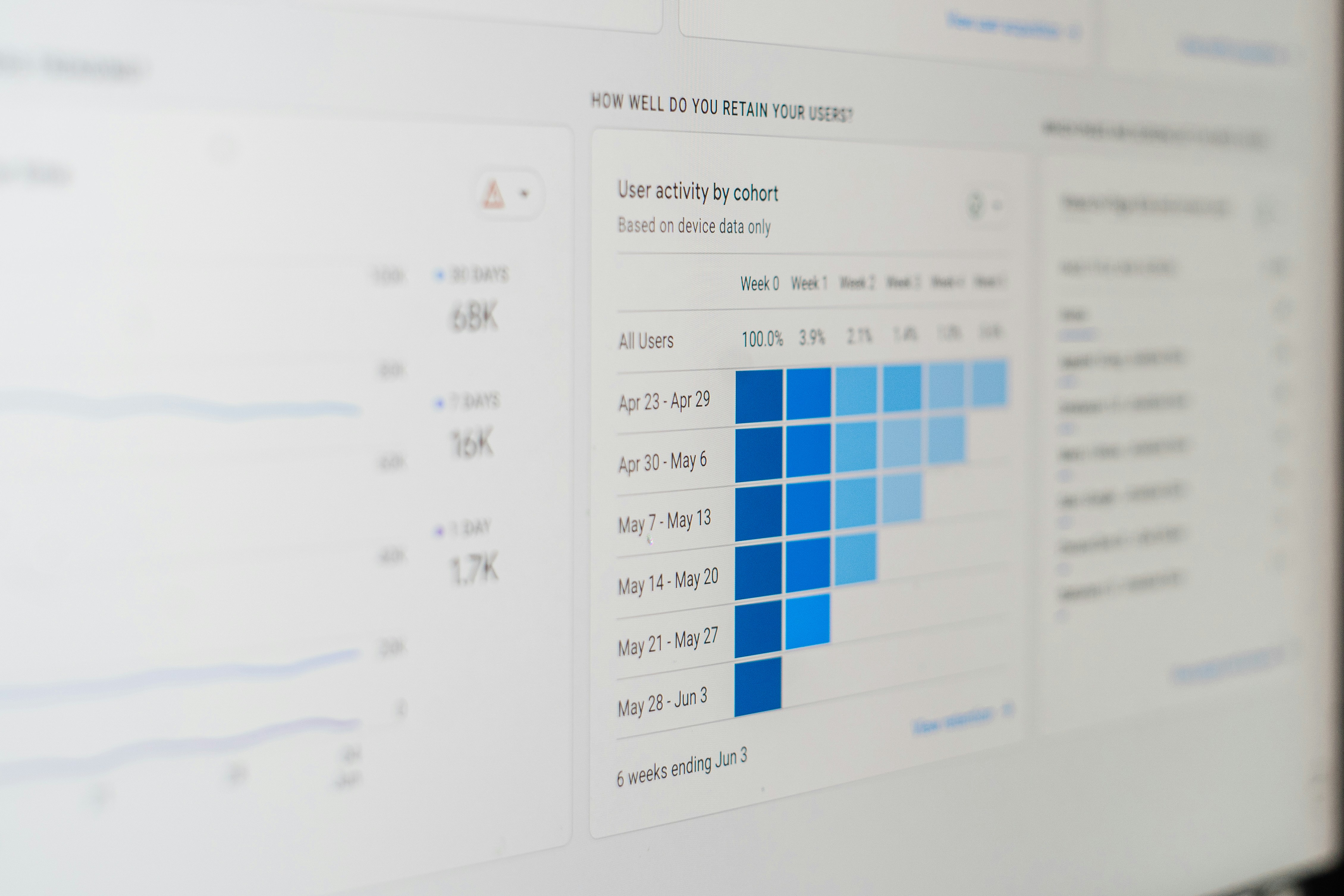
Introduction to Looker Studio
Looker Studio is a powerful cloud-based business intelligence and data analytics tool that transforms the way organizations visualize and interpret their data. Developed by Google, this platform enables users to create insightful reports and dashboards that facilitate data-driven decisions. By providing a consistent interface with rich data exploration features, Looker Studio empowers users to uncover patterns, trends, and insights that are crucial for strategic planning.
One of the primary functions of Looker Studio is its ability to connect with various data sources. It seamlessly integrates with Google products, SQL databases, and other third-party applications, making it an adaptable solution for diverse data environments. This connectivity ensures that users have access to real-time data, allowing for timely analysis and reporting. Furthermore, Looker Studio’s intuitive drag-and-drop interface simplifies the process of building reports, making it accessible even to individuals without extensive technical skills.
The significance of Looker Studio in the realm of data analytics cannot be overstated. Organizations that leverage this tool enhance their ability to derive actionable insights from data. By visualizing complex datasets through charts, graphs, and tables, decision-makers can quickly grasp information and identify areas for improvement. Additionally, Looker Studio supports collaborative functions, enabling teams to work together effectively by sharing reports and insights across departments.
In summary, Looker Studio is a vital asset for organizations seeking to harness the power of data analytics. Its functionalities and integration capabilities position it as a critical tool in today’s data-centric business environment, seeking to foster informed decision-making and ultimately drive business success.
Key Features of Looker Studio
Looker Studio is a powerful business intelligence tool designed to help organizations manage and visualize their data effectively. One of the standout features of Looker Studio is its robust data modeling capabilities. Users can create a comprehensive data model that organizes and defines the relationships between different data sources. This modeling allows businesses to generate insights that are tailored to their specific needs, ensuring that users have access to the most relevant information.
A further essential aspect of Looker Studio is its user-friendly interface. Designed with simplicity in mind, the platform enables users, regardless of their technical expertise, to navigate and utilize its features with ease. The intuitive dashboard layout facilitates quick access to vital analytics tools and allows for seamless report generation. This usability enhances productivity and encourages widespread adoption across various departments within an organization.
Real-time data analysis is another critical feature that distinguishes Looker Studio from other tools. Organizations can visualize and interact with data in real time, allowing for immediate decision-making based on the most current information available. This capability is particularly beneficial for businesses operating in fast-paced environments where timely insights can significantly impact operational success.
Moreover, Looker Studio seamlessly integrates with a wide array of data sources, making it a versatile option for many organizations. From cloud-based databases to traditional SQL databases, its ability to connect with varying systems ensures that users can leverage all their data without barriers. These integrations streamline the process of data acquisition and enrich analysis, empowering users to derive actionable insights effectively.
Overall, the combination of data modeling capabilities, user-friendly interface, real-time analysis, and extensive integration options positions Looker Studio as a comprehensive platform for enhancing data visualization and business intelligence processes.
Understanding Data Visualization Concepts
In today’s data-driven world, the ability to effectively present data is essential for businesses striving to make informed decisions. Data visualization serves as a pivotal link between raw data and actionable insights, allowing stakeholders to discern patterns, trends, and anomalies quickly. By transforming complex data sets into visual representations, organizations can facilitate better communication and understanding among diverse audiences.
Several principles govern effective data visualization, ensuring that the presented information is not only attractive but also clear and informative. Firstly, simplicity is crucial; visualizations should avoid unnecessary elements that may distract from the main message. Secondly, consistency in design helps users interpret data more reliably and fosters familiarity across various reports and dashboards. Thirdly, clarity should always be at the forefront. Visual elements—colors, shapes, and labels—must be chosen carefully to convey the intended meaning without ambiguity.
Looker Studio exemplifies these principles in its design and functionality. By incorporating user-friendly features, Looker Studio allows users to create dashboards and reports that are both robust and easy to comprehend. The platform emphasizes customizable visualizations, enabling businesses to tailor their data presentations according to specific audiences and goals. Users can leverage an array of charts, maps, and graphs while adhering to best practices in data visualization.
Furthermore, Looker Studio’s integration capabilities with various data sources elevate its utility, allowing effective visual storytelling through real-time analytics. The platform encourages collaboration by sharing interactive visualizations that stakeholders can explore, which fosters an environment of data-driven decision-making. By utilizing Looker Studio, organizations gain not only the ability to visualize their data but also the tools necessary to unlock deeper insights and drive strategic initiatives.
How Looker Studio Enhances Reporting
In today’s data-driven environment, the significance of efficient reporting cannot be overstated. Looker Studio offers transformative capabilities that set it apart from traditional reporting methods. By integrating dynamic and interactive features, Looker Studio allows users to generate reports that go beyond static visuals, providing a more comprehensive understanding of data insights.
One of the remarkable advantages of Looker Studio is its ability to create real-time, interactive dashboards that can be tailored to specific needs. Users can filter data on demand, view trends directly as they happen, and manipulate the visuals to derive insights that are pivotal for decision-making processes. This interactivity fosters a more engaging experience, allowing stakeholders to delve deeper into the data, thereby enhancing the overall reporting effectiveness.
Additionally, Looker Studio’s capability to seamlessly integrate with various data sources means that organizations can centralize their reporting process. This contrasts sharply with traditional methods, where data silos often render reports fragmented and less reliable. By linking to live data sources, Looker Studio ensures that reports reflect the most current information, which is crucial for timely strategic decisions.
Furthermore, the ease of sharing Looker Studio reports is another significant benefit. With simple sharing options, stakeholders can access reports across different platforms or devices, promoting collaboration and informed discussions. Traditional reporting methods often involve cumbersome email chains or printed documents, which can hinder efficient communication. In essence, Looker Studio revolutionizes reporting by making it not only more accessible but also more actionable. This shift greatly enhances the quality of insights derived from data, elevating the decision-making capabilities of teams.
Use Cases: Industries Benefiting from Looker Studio
Looker Studio has emerged as a pivotal tool for data analysis and reporting across various industries. Its capabilities allow organizations of all sizes to leverage their data effectively, leading to informed decision-making and business growth. Below, we explore some sectors that have harnessed the potential of Looker Studio.
In the retail industry, companies like Shopify have utilized Looker Studio to gain insights into customer preferences and purchasing patterns. By analyzing vast datasets, they can tailor marketing strategies and optimize inventory management, ultimately enhancing customer satisfaction and driving sales. Looker’s ability to provide visualizations and easy access to real-time data makes it indispensable for retail decision-makers.
The healthcare sector is another area where Looker Studio is making significant strides. Providers such as Geisinger Health System employ Looker to analyze patient data, improving healthcare delivery and outcomes. By identifying trends in patient treatments and outcomes, healthcare professionals can make evidence-based decisions that enhance the quality of care while reducing costs.
Furthermore, the technology sector has also benefitted from Looker Studio’s capabilities. Companies like Slack utilize the platform to analyze user engagement and product usage data. With these insights, they can refine their offerings, ultimately leading to a more intuitive user experience and increased user retention. Looker’s comprehensive reporting fosters an environment of continuous improvement, essential in today’s fast-paced tech landscape.
Lastly, the education sector has leveraged Looker Studio for improving operational efficiency. Institutions like the University of California, Davis, use the platform to track student performance and enrollment trends. This data-driven approach helps in resource allocation and curriculum development, ensuring a better educational environment for students.
Setting Up Looker Studio: A Step-by-Step Guide
To effectively unlock the potential of Looker Studio, it is important to start with a well-structured setup process. This guide is tailored for new users and will walk you through the necessary preliminary requirements, installation steps, and basic configuration needed to begin your data journey.
First, ensure that your system meets the prerequisites for running Looker Studio. The software is cloud-based; thus, a stable internet connection is essential. Additionally, users should have access to a web browser that supports the application. It is advisable to use the latest versions of browsers such as Chrome, Firefox, or Safari for optimal performance.
Once the prerequisites are confirmed, you can proceed to install Looker Studio. Users typically need to create or log into their Google account. After signing in, navigate to the Google Looker Studio website. Here, you will find an option to start using Looker, which will prompt for the respective organizational details and data sources you intend to analyze.
After initiating the application, configure your data connections. Looker Studio supports various data sources, such as Google Sheets, SQL databases, and BigQuery. Select a data connector that fits your requirements, and follow the on-screen prompts to establish this connection. Data will be automatically fetched from the selected source into Looker Studio.
Following the establishment of your data connections, you will need to customize your Looker interface. This includes setting up your dashboards, charts, and reports according to your data visualization preferences. Take time to explore the built-in templates and functions that Looker Studio offers, as they enhance the overall analysis capabilities.
This step-by-step guide is aimed at streamlining your first experience with Looker Studio. By adhering to the instructions outlined, you can effectively set up the platform, fostering an understanding of your data and driving insightful decision-making.
Best Practices for Using Looker Studio
To maximize the effectiveness of Looker Studio, one must consider various best practices that encompass data management, report customization, and ensuring data accuracy. Comprehensive data management is the cornerstone of effective data visualization in Looker Studio. It is essential to have a well-structured data model, which not only facilitates easy access to relevant information but also enhances the integrity and usability of data. Proper organization of datasets, dimensions, and measures helps users to navigate and manipulate data more efficiently.
Report customization is another pivotal aspect that can significantly enhance user engagement and comprehension. It is advisable to leverage the various visualization options available in Looker Studio to create intuitive and visually appealing reports. Using custom layouts, themes, and interactive features such as filters and drilldowns can contribute to richer user experiences. Tailoring reports to specific audience needs ensures that stakeholders can derive actionable insights quickly.
Maintaining data accuracy is crucial to deliver high-quality outputs. Regular audits of data sources and validation checks help to ensure that the information displayed is reliable and up-to-date. Utilizing Looker Studio’s built-in features, like alerts for data changes and the ability to refresh data in real time, can significantly aid in keeping outputs accurate. Furthermore, incorporating user feedback and iterative processes enhances the reporting framework, allowing continuous improvement of dashboards and reports.
Incorporating these best practices within Looker Studio can lead to improved data literacy among users, fostering an environment where data-driven decisions are made effectively. Following these guidelines will not only enhance the quality of the insights derived from data but will also empower users to explore and engage with their data in meaningful ways.
Common Challenges and Solutions in Looker Studio Implementation
Implementing Looker Studio presents several challenges that organizations must navigate to fully unleash its analytical capabilities. One primary hurdle is data integration. Organizations often struggle to unify disparate data sources, leading to fragmented insights that undermine decision-making processes. To mitigate this issue, it is vital to meticulously assess data sources and implement a comprehensive data strategy. Utilizing Looker’s native connectors can streamline the integration process, fostering a centralized view for more coherent reporting.
Another challenge is ensuring optimal performance. As organizations scale their use of Looker Studio, performance issues may arise, particularly with complex queries or heavy traffic. To optimize performance, it is beneficial to leverage Looker’s caching mechanisms and aggregate tables, which can significantly enhance response times. Additionally, regularly reviewing and refining data models can alleviate bottlenecks, ensuring smoother interactions for users.
User adoption is also a critical aspect that organizations must address. Many teams may resist transitioning to Looker Studio due to unfamiliarity or apprehension regarding its functionalities. To promote user adoption, developing a structured training program is essential. This initiative should include hands-on workshops, user guides, and ongoing support that empowers team members to utilize Looker’s features effectively. Regular feedback sessions can also help identify pain points among users and enable iterative improvements in the training curriculum.
Ultimately, addressing these common challenges—data integration, performance optimization, and user adoption—requires a strategic approach. By proactively identifying these hurdles and implementing tangible solutions, organizations can unlock the full potential of Looker Studio, driving enhanced insights and business results.
Conclusion: The Future with Looker Studio
As we look toward the future of data analytics, tools like Looker Studio are poised to play a significant role in shaping how organizations interact with their data. The advancements in visualization and business intelligence solutions are not only enhancing user experiences but also propelling companies toward more data-driven decision-making processes. One emerging trend is the increasing demand for real-time analytics, which allows businesses to respond promptly to market changes and customer needs. Looker Studio’s capabilities in enabling quick data access and interactive dashboards support this trend effectively.
Furthermore, the integration of artificial intelligence and machine learning within data analytics platforms signifies a transformative phase in business intelligence. Looker Studio is likely to evolve alongside these innovations, providing enhanced predictive analytics features that empower users to forecast future trends with greater accuracy. This evolution will cater to the diverse needs across various industries, from healthcare to finance, allowing them to extract deeper insights and improve overall operational efficiency.
Additionally, as data privacy concerns continue to rise, organizations will require tools that not only analyze data but also adhere to compliance standards. Looker Studio’s emphasis on data governance and security measures positions it as a reliable asset for companies navigating these complexities. The potential for customization and scalability further reinforces its applicability across differing organizational sizes and sectors.
In conclusion, the future landscape of data analytics is undeniably shifting toward more sophisticated and user-friendly tools like Looker Studio. By continuously innovating and adapting to emerging trends, Looker Studio will likely maintain its relevance and popularity in the fast-evolving world of data visualization and business intelligence.