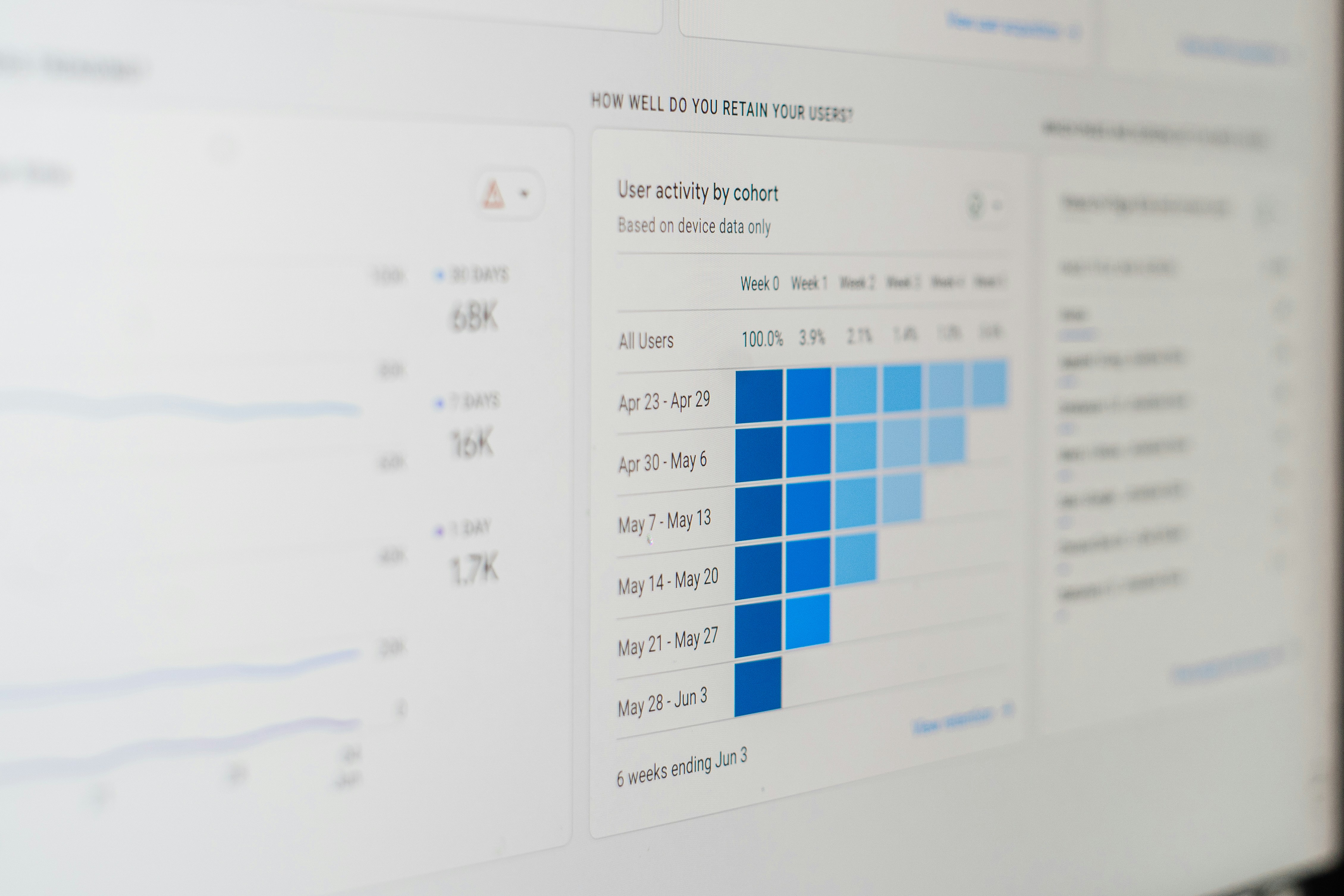
Introduction to Looker Studio and King Legacy
Looker Studio is an advanced data visualization and reporting tool that empowers businesses to make informed decisions based on a comprehensive analysis of their data. As a modern data platform, it streamlines data integration and visualization, enabling organizations to derive actionable insights from various data sources. With its user-friendly interface, Looker Studio allows users to create customized dashboards and interactive reports, facilitating a deeper understanding of business performance and trends.
The significance of data visualization in business analytics cannot be overstated. In today’s data-driven world, the ability to transform complex datasets into easily digestible visuals is crucial for organizations aiming to remain competitive. Effective data visualization not only clarifies trends and patterns but also enhances communication and fosters collaboration among team members. By leveraging tools like Looker Studio, businesses can transform their raw data into compelling narratives that drive strategic initiatives and support data-informed decision-making.
King Legacy stands out as a prominent player in optimizing the functionalities of Looker Studio. By integrating their specialized services, King Legacy elevates the potential of Looker Studio, allowing businesses to harness its capabilities more effectively. The collaboration between Looker Studio and King Legacy creates a robust ecosystem that enhances analytics, providing additional support and resources for users aiming to maximize their data visualization efforts. With King Legacy’s expertise in data management and reporting, organizations can unlock the full power of Looker Studio, leading to improved insights and strategic outcomes.
In summary, the partnership between Looker Studio and King Legacy not only enhances the effectiveness of data visualization but also positions organizations to make sound decisions based on comprehensive analytics. Embracing these tools allows businesses to thrive in an increasingly data-centric landscape.
Understanding Looker Studio: A Deep Dive
Looker Studio is an advanced data visualization and business intelligence tool that empowers users to transform raw data into actionable insights. Its comprehensive features and functionalities allow for seamless integration with various data sources, including databases, cloud storage, and spreadsheets. This flexibility ensures that organizations can leverage their existing data infrastructure, facilitating a more efficient decision-making process.
One of the standout features of Looker Studio is its robust visualization options. Users can choose from a wide array of charts, graphs, and tables to represent their data in a way that best suits their analysis needs. These visualization tools not only enhance the comprehension of complex datasets but also provide a more compelling narrative when presenting findings to stakeholders. Customization options further allow users to tailor the visual aspects, ensuring that the output aligns with corporate branding or specific reporting requirements.
Creating dashboards in Looker Studio is another significant functionality that enhances the platform’s usability. Dashboards enable users to monitor key performance indicators (KPIs) and track performance metrics in real-time. The drag-and-drop interface makes it easy for users to arrange various elements and format their dashboards without requiring extensive programming knowledge. This accessibility means that both technical and non-technical users can harness the full potential of their data.
Ultimately, Looker Studio plays a pivotal role in modern data reporting by helping organizations unlock the true value of their data. By turning disparate and often overwhelming data sets into coherent visual reports, Looker Studio assists in uncovering trends, identifying patterns, and making informed decisions. This capability is increasingly essential in today’s data-driven landscape, highlighting the importance of effective data visualization tools in achieving business objectives.
The Legacy of King: A Historical Perspective
King Legacy has established itself as a prominent player in the data analytics sector through a well-defined trajectory that reflects its dedication to innovation and quality. Founded with the mission to transform the way businesses interact with data, King Legacy has consistently focused on developing services that simplify complex analytical processes and provide actionable insights. This commitment was evident from the onset, where the foundational principle revolved around leveraging technology to empower organizations in making data-driven decisions.
In the early stages, King Legacy concentrated on building robust analytical tools aimed at small to mid-sized enterprises. This initial focus allowed the company to gain a comprehensive understanding of varying business needs and challenges, ultimately leading to the creation of tailored solutions designed to address those specific requirements. Over time, the firm expanded its services to encompass more advanced data analytics offerings that cater to larger enterprises and complex data environments.
A significant milestone in King Legacy’s journey was the launch of its first comprehensive business intelligence platform. This platform integrated various data sources and provided users with intuitive dashboards to visualize data trends and performance metrics. The ease of use and accessibility of these tools helped position King Legacy as a trusted name within the analytics community. Moreover, strategic collaborations with technology partners began to enhance its service offerings, facilitating further growth.
As the demand for data analytics has exponentially increased, King Legacy has remained at the forefront by consistently evolving its products and services. Key achievements, including industry recognition and client success stories, exemplify King Legacy’s influence in shaping the data analytics landscape. The company’s ongoing commitment to innovation ensures that it will continue to be a vital resource for businesses seeking to unlock the full potential of their data.
Integrating Looker Studio with King Legacy
The integration of Looker Studio with King Legacy represents a significant step toward achieving enhanced data analysis capabilities. To initiate this integration process, users first need to ensure that they have established their accounts on both platforms. The journey begins by accessing Looker Studio and navigating to the data source section. Here, users can select King Legacy as the desired data connector.
Once King Legacy is chosen, the appropriate credentials must be inputted. This may include API keys or other access tokens that facilitate a secure connection between the two platforms. It is crucial to double-check these credentials to avoid authentication errors that could impede data flow. After successful authentication, users will be prompted to define the specific datasets they wish to analyze in Looker Studio. This step allows for a tailored approach to data exploration, ensuring that only relevant metrics are visualized.
Key considerations during this integration include understanding the data structure within King Legacy. Familiarity with the types of data available and how they can correlate with the visualization needs in Looker Studio enhances the overall functionality of the integration. It is also beneficial to plan how the dataset will be organized in Looker Studio, as a well-structured approach fosters clearer insights.
Integrating these platforms can yield significant advantages. By leveraging Looker Studio’s advanced visualization tools alongside King Legacy’s robust data management, businesses can generate more insightful reports and dashboards. The seamless flow of data between the two systems facilitates real-time analysis and encourages informed decision-making. In conclusion, when executed thoughtfully, the integration of Looker Studio with King Legacy can empower organizations to unlock their data’s potential fully.
Real-World Applications: Case Studies
Looker Studio, combined with King Legacy services, has proven to be an invaluable resource for numerous businesses across various sectors. The integration of these powerful tools has enabled organizations to leverage data-driven insights, significantly enhancing their decision-making processes and overall operational efficiency.
One notable case study comes from the retail industry, where a major clothing brand implemented Looker Studio to analyze customer purchasing patterns. By utilizing King Legacy’s data optimization services, the brand was able to aggregate vast amounts of transaction data into comprehensive dashboards. This allowed stakeholders to quickly identify trending products and adapt inventory levels accordingly. As a result, the company experienced a 15% increase in sales during the peak season, demonstrating the impact of timely data analysis.
In the healthcare sector, a regional hospital system embraced Looker Studio to improve patient care management. By integrating King Legacy’s analytics capabilities, the hospital was able to monitor various metrics, including patient wait times and treatment outcomes. The insights gained through this data visualization not only enhanced the quality of care but also streamlined operational workflows. Consequently, patient satisfaction scores increased significantly, underscoring the effectiveness of using Looker Studio for healthcare analytics.
Furthermore, a financial institution utilized Looker Studio with King Legacy’s tailored data solutions to enhance risk assessment processes. By automating the data gathering and reporting mechanisms, the institution could more accurately evaluate lending risks and compliance metrics. This facilitated more informed decision-making among leadership, resulting in a more robust risk management framework.
These case studies illustrate the diverse applications of Looker Studio in conjunction with King Legacy services. Businesses, whether in retail, healthcare, or finance, are harnessing the power of data analytics to boost growth and improve operational efficiency.
Best Practices for Using Looker Studio with King Legacy
Maximizing data reporting and visualization efforts through Looker Studio requires strategic implementation, particularly when utilized with King Legacy. Organizing data effectively is foundational to ensuring that the insights derived from reports are actionable and accurate. Begin by establishing a clear data hierarchy and categorizing data into manageable segments. This can involve grouping similar data points or metrics, which will facilitate a more streamlined analysis and enhance the overall clarity of reporting.
When it comes to visualization choices, it is essential to select the appropriate charts and graphs that align with the type of data being presented. Looker Studio offers a range of visualization options, including bar graphs, line charts, and pie charts. Each of these formats serves different purposes; for instance, time series data is best illustrated through line charts, while comparisons among categories may be more effectively conveyed using bar graphs. Always consider the audience’s needs and the story the data should tell, selecting visuals that foster understanding.
Maintaining accuracy in reports is another critical aspect. Regularly validating the underlying data against reliable sources ensures that any insights drawn are dependable. Implementing data validation processes, such as cross-referencing with King Legacy’s capabilities, can help mitigate errors that may lead to misleading conclusions. It is also advisable to schedule periodic reviews of both the data and the visualizations to ensure that they remain relevant and effectively serve their intended purpose.
Furthermore, fostering a collaborative environment where team members can review and offer feedback on reports can enhance the overall quality of the insights generated. Utilizing Looker Studio in collaboration with King Legacy can greatly empower businesses to leverage their data more effectively, driving informed decision-making and fostering growth.
Challenges and Solutions in Data Reporting
In today’s data-driven environment, organizations increasingly rely on data reporting tools like Looker Studio to derive meaningful insights and inform strategic decisions. However, several common challenges can hinder efficient data analysis and reporting. Identifying these obstacles is crucial for leveraging the full potential of Looker Studio, as well as ensuring that data reporting yields valuable business outcomes.
One significant challenge is data integration. Businesses often utilize multiple data sources, which may lead to inconsistencies and difficulties in collating information for analysis. To tackle this issue, companies should invest in robust data integration techniques, such as employing ETL (Extract, Transform, Load) processes. These processes help streamline data alignment from various sources, ensuring that Looker Studio receives accurate and consolidated data for reporting.
Another prevalent difficulty is the skill gap within organizations. Many users may lack the necessary data analysis skills, resulting in underutilization of the rich features provided by Looker Studio. To address this concern, organizations should prioritize training and development programs. By equipping employees with the required knowledge of data visualization techniques and storytelling through data, businesses can maximize the efficacy of their reporting efforts.
Lastly, users may struggle with interpreting data results effectively. Misinterpretation can lead to misguided decisions, undermining the overall business strategy. To mitigate this risk, incorporating effective dashboard design and storytelling principles can empower users to understand data more intuitively. Emphasizing a clear visualization of key performance indicators (KPIs) and narrative frameworks can enhance data comprehension, facilitating informed decision-making when utilizing Looker Studio.
By understanding these challenges and implementing practical solutions, organizations can enhance their data reporting practices. Overcoming these hurdles optimizes the use of Looker Studio and ultimately drives superior business results.
Future Trends in Data Analytics and Reporting
As the field of data analytics continues to evolve, the landscape is being shaped by various emerging trends and technologies that hold the potential to significantly enhance business intelligence. Looker Studio, along with King Legacy, is at the forefront of these shifts, uncovering new pathways for data analysis and reporting. One of the most notable trends is the increasing integration of artificial intelligence (AI) and machine learning (ML) into data analytics. These technologies help automate data processing, allowing organizations to derive insights more rapidly and accurately. As machine learning algorithms improve, they will enable businesses to not only analyze historical data but also make predictions and engage in proactive decision-making.
Another significant trend is the shift towards real-time analytics. With the growing necessity for organizations to operate in dynamic environments, the ability to access and analyze data in real time is becoming imperative. Looker Studio’s capabilities in real-time data visualization can be expected to expand, offering businesses a more immediate understanding of their analytics landscape. This shift towards immediacy will empower stakeholders to react promptly to changing market conditions and customer behaviors.
Moreover, the emphasis on data democratization is gaining traction, with organizations focusing on enabling all employees, regardless of their technical expertise, to access and interpret data. This change necessitates user-friendly interfaces and comprehensive training initiatives tailored to diverse skills. King Legacy’s collaboration with Looker Studio aims to broaden the accessibility of sophisticated analytics tools, allowing broader participation in data-driven decision-making processes.
Lastly, as remote work continues to be a norm, cloud-based data solutions are emerging as essential assets for businesses. The flexibility, scalability, and collaborative features of cloud platforms enhance analytics accessibility. Consequently, Looker Studio is likely to further optimize its cloud capabilities, fostering seamless collaboration and sharing within teams. Together, these evolving trends promise to reshape the way organizations approach data analytics and reporting, creating a more agile and informed enterprise landscape.
Conclusion: The Next Steps with Looker Studio and King Legacy
In this ever-evolving landscape of data analytics, Looker Studio emerges as a vital tool for organizations seeking actionable insights. The unique capabilities offered by King Legacy further enhance this platform, making it an invaluable resource for businesses aiming to harness data for strategic decision-making. Throughout our discussion, we have highlighted how Looker Studio allows users to create visual representations of data that simplify complex datasets, making them accessible to a broader audience. This democratization of data encourages informed decision-making across all levels of an organization.
Moreover, the partnership between Looker Studio and King Legacy exemplifies how specialized expertise can amplify the potential of powerful tools. King Legacy equips users with the knowledge and resources needed to navigate the functionalities of Looker Studio effectively. This collaboration not only fosters a deeper understanding of the platform but also helps organizations to tailor their analytics strategies according to specific business requirements. By leveraging King Legacy’s extensive resources, users can overcome any initial learning curve associated with Looker Studio.
For those keen to delve further into Looker Studio, we recommend taking the following actionable steps: firstly, consider signing up for a trial version to explore its features hands-on. Next, participate in the training webinars offered by King Legacy, which provide a comprehensive overview of Looker Studio’s capabilities. Finally, engage with online communities and forums that focus on data analytics to exchange insights and best practices. Together, these steps will not only enhance your understanding of Looker Studio but will also empower you to unlock its full potential in your organization.