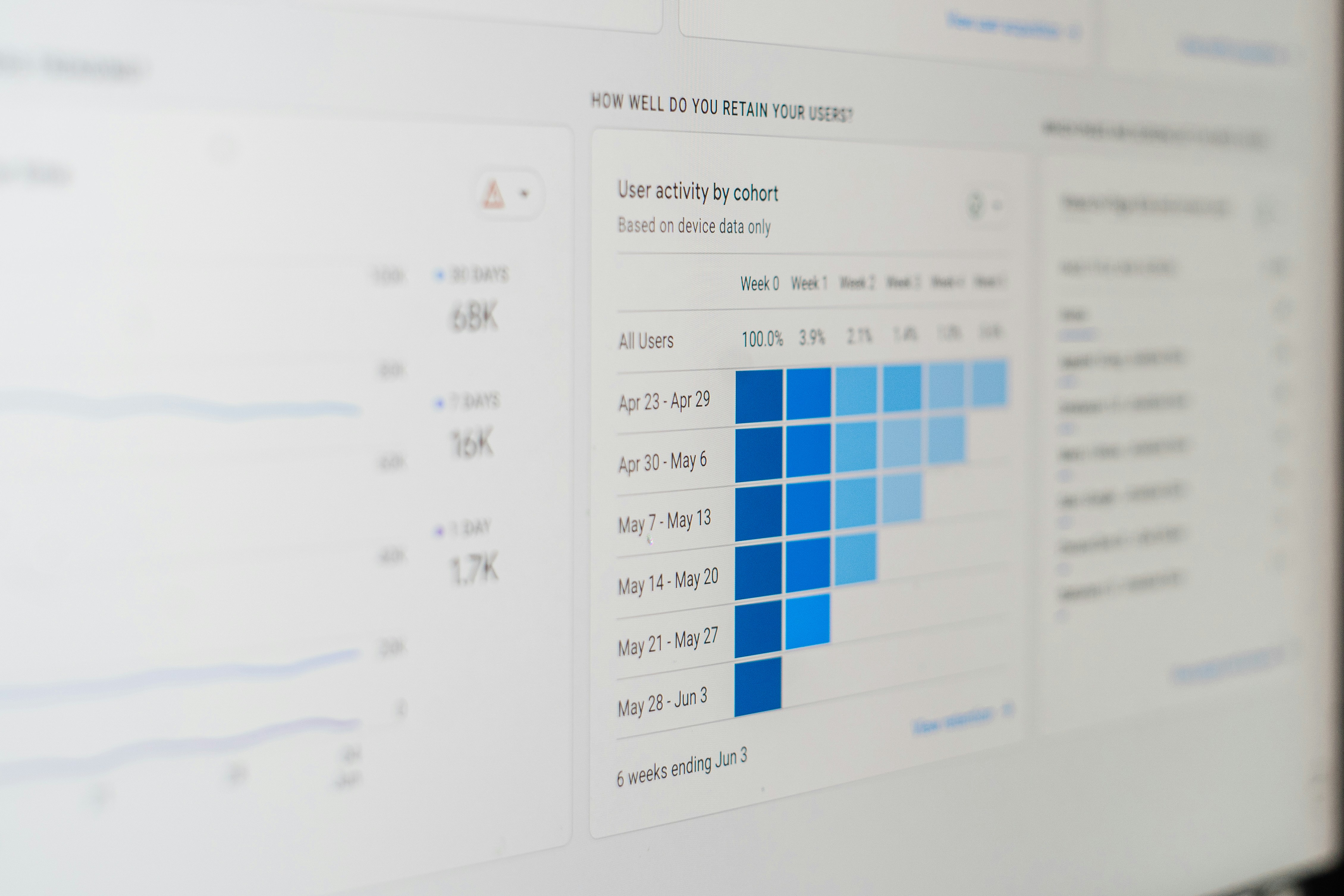
Introduction to Looker Studio
In today’s fast-paced business environment, data analytics plays a critical role in shaping strategic decision-making. Looker Studio, a robust business intelligence platform, has emerged as a powerful tool for organizations seeking to leverage data insights for enhanced performance. Designed to streamline the process of data exploration, Looker Studio enables users to visualize complex datasets, fostering a deeper understanding of business metrics and trends.
The primary purpose of Looker Studio is to facilitate data-driven decisions through intuitive dashboards and customizable reports. By integrating various data sources, it allows businesses to create a cohesive view of their operations, ensuring that stakeholders have access to key performance indicators. The platform stands as an integral part of the broader analytics landscape, aiding organizations in transforming raw data into actionable insights. This functionality is particularly beneficial for businesses aiming to identify areas for optimization in their processes and strategies.
Moreover, Looker Studio promotes collaboration across teams by providing a platform where insights can be shared easily and effectively. This collaborative approach enhances organizational decision-making, as multiple users can contribute to and benefit from the shared understanding of performance metrics. For companies that rely heavily on data to guide their strategic initiatives, the importance of utilizing a comprehensive tool like Looker Studio cannot be overstated.
As businesses increasingly recognize the value of data in driving growth and efficiency, platforms like Looker Studio are becoming indispensable. They not only simplify the complexities of data visualization but also empower organizations to harness the potential of their data fully. By embracing such tools, companies can achieve a competitive edge in their industries, ultimately leading to more informed and impactful decision-making processes.
Understanding Call Tracking and Its Importance
Call tracking is an analytical tool that allows businesses to monitor and evaluate inbound calls generated through marketing efforts. By employing various tracking techniques, companies can attribute calls to specific campaigns, traffic sources, or marketing channels. This level of insight is essential for businesses aiming to understand which strategies yield the highest return on investment (ROI). In today’s competitive landscape, the effective measurement of marketing impact is critical for informed decision-making and resource allocation.
The significance of call tracking stems from its ability to bridge the gap between online interactions and offline conversions. As consumers engage with brands across multiple platforms, identifying the effectiveness of each touchpoint is paramount. Call tracking assists businesses in discerning which advertising channels drive calls, thus enabling them to optimize their marketing mix. Businesses can enhance their strategies by focusing on high-performing tactics, ultimately fostering improved customer engagement and consistent lead generation.
Moreover, call tracking provides valuable data that contributes to an organization’s understanding of customer behavior. By examining call durations, outcomes, and customer interactions, businesses can pinpoint areas for improvement in service delivery. This, in turn, informs training initiatives for staff to better meet customer expectations and increase satisfaction rates. Enhanced customer interactions further lead to higher conversion rates, effectively transforming inquiries into loyal clientele.
As marketing increasingly shifts towards measurable outcomes, the role of call tracking cannot be overstated. By investing in call tracking solutions, organizations are better equipped to interpret the success of their marketing initiatives and make strategic adjustments as needed. This powerful tool ultimately empowers businesses to harness data-driven insights, optimize customer experiences, and achieve a scalable sustainable growth trajectory.
Introducing Metals’ Call Tracking API
Metals’ Call Tracking API represents a robust solution designed to assist businesses in effectively monitoring and analyzing incoming calls. This API allows organizations to capture crucial call data that can drive meaningful insights for marketing and operational strategies. By integrating seamlessly with popular business intelligence platforms like Looker Studio, the API enhances data visualization capabilities, enabling companies to make data-driven decisions.
One of the key features of the Metals’ Call Tracking API is its ability to assign a unique tracking number to each marketing campaign. This feature facilitates the precise tracking of call sources, allowing businesses to understand which campaigns yield the highest engagement. By correlating call data with marketing performance metrics, organizations can optimize their marketing efforts and allocate resources more efficiently. The API also provides real-time call tracking, enabling businesses to monitor call activity as it occurs, which is essential for timely decision-making.
Moreover, the Metals’ Call Tracking API collects a variety of data points regarding each call, such as duration, caller location, and caller demographics. This comprehensive data collection empowers organizations to gather deep insights into customer behavior and preferences. When integrated into Looker Studio, the processed data becomes easily accessible through intuitive dashboards, allowing teams to visualize trends and patterns in customer engagement effectively. This streamlined approach to data analysis can significantly enhance customer relationship management and operational efficiency.
In summary, Metals’ Call Tracking API is a powerful tool that not only tracks call activities but also transforms raw data into actionable insights within Looker Studio. Its feature set supports businesses in improving their marketing effectiveness, optimizing campaign performance, and enhancing overall customer experience by providing a clearer picture of customer interactions.
Setting Up Your Looker Studio with Metals’ API Key
To effectively set up Looker Studio with Metals’ Call Tracking API Key, you will need to follow a series of steps. The first prerequisite is ensuring you have access to the Metals platform, as you must generate your unique API key from there. Begin by logging into your Metals account. Once logged in, navigate to the API section, which is typically found under account settings. Here, you will find the option to create a new API key, a straightforward step that allows you to access the extensive call tracking functionalities offered by Metals.
After generating your API key, it is essential to store it securely. This key serves as a credential for authenticating API requests between Looker Studio and Metals. Improper handling or exposure of this key could potentially lead to unauthorized access to your data. Thus, ensure you employ strong security measures such as password managers or encrypted storage solutions for safekeeping.
Now that you have your API key, the next step involves integrating it with Looker Studio. Open Looker Studio and create a new data source. You will want to select the API connector option, which allows you to pull data from external sources seamlessly. In the fields provided, input your Metals API key. This allows Looker Studio to authenticate your account and retrieve relevant data for your reporting projects.
It is also advisable to familiarize yourself with the API documentation provided by Metals. This documentation contains detailed information about endpoints, data types, and usage limits, which can be crucial for troubleshooting and maximizing your integration. By understanding the capabilities of the Metals Call Tracking API, you can fully leverage Looker Studio’s visualization features to derive actionable insights from your call data.
Integrating the API with Looker Studio
Integrating Metals’ Call Tracking API with Looker Studio is a straightforward yet crucial process that enables users to harness the full potential of their call tracking data. To begin the integration, you must first ensure that you have an active account with Metals and have obtained your API key. This key will serve as the primary credential used to authenticate your requests to the API.
Once you have the API key, open Looker Studio and navigate to the “Data Sources” section. Here, you will create a new data source. Select the “Create” button, then opt for “Data Source” and look for the “Web” option. This allows you to connect to your API. In the subsequent fields, you will be asked to provide the URL endpoint for the Metals’ Call Tracking API, which generally follows the format: https://api.metals.com/calltracking/v1/. Be sure to append any necessary parameters that will allow you to fetch the desired data, such as dates, call types, or specific tracking events.
With the base URL in place, it is vital to configure the authentication settings. You will find an option to input your API key, typically in the headers section. Include your key with a header name like “Authorization” to ensure that the communication between Looker Studio and the Metals API is secure and authenticated. Once these settings are configured, you will have a preview of the data returned by the API. This step is crucial as it allows you to confirm that the connection has been established successfully.
To finalize the integration, map the data fields from Metals’ API to the respective fields in Looker Studio. This mapping enables seamless reporting and visualization within your dashboard. After completing these steps, you can save the data source and start creating reports that will present your call tracking data effectively. The process not only improves your reporting capabilities but also enhances data visibility across various analytics channels.
Creating Effective Reports Using Call Tracking Data
Creating impactful reports in Looker Studio requires a strategic approach when utilizing data from Metals’ Call Tracking API. The data collected from call tracking can provide invaluable insights into customer behavior, campaign effectiveness, and overall business performance. To begin, it is essential to select the right metrics that align with your reporting goals. Commonly used metrics include call volume, call duration, conversion rates, and response times. Each of these metrics can highlight different areas of performance and help stakeholders make informed decisions.
Once the appropriate metrics are determined, selecting the right visualizations becomes crucial. Visual elements such as bar charts, line graphs, and heat maps can enhance the understanding of data trends and patterns. For instance, a line graph illustrating call trends over time can effectively convey fluctuations in customer engagement, while a bar chart comparing conversion rates across various campaigns can immediately show what is working and what isn’t. Effective visualization not only strengthens the report but also facilitates easier interpretation for the audience.
Moreover, storytelling techniques play a significant role in crafting compelling reports. Data alone might not convey the full picture, but when combined with context and narratives, it becomes more relatable. Begin by outlining the objectives of the report: what insights are you hoping to provide? Next, delve into the data findings, correlating them with business outcomes. Bringing in anecdotes or customer testimonials related to significant call events can humanize the data, making it resonate more with stakeholders.
By focusing on meaningful metrics, employing appropriate visualizations, and integrating storytelling approaches, reports generated using Metals’ Call Tracking API can yield insights that drive strategic actions within the organization. In conclusion, leveraging these elements effectively will unlock the full potential of call tracking data in Looker Studio, equipping businesses with the knowledge to enhance customer interactions and optimize performance.
Best Practices for Call Tracking and Data Analysis
To maximize the effectiveness of call tracking implemented through Metals’ Call Tracking API Key, businesses should adhere to several best practices that enhance the analytical process. First and foremost, it is essential to establish clear objectives. Defining what success looks like—whether it is increasing sales, improving customer service or enhancing lead generation—sets the stage for a more structured data analysis approach. This clarity facilitates focused data collection and interpretation aligned with overall business goals.
Another critical aspect is segmenting the data. By categorizing calls based on various factors such as source, location, or type of inquiry, businesses can derive meaningful insights from their call metrics. This segmentation helps in recognizing trends and allows for tailored adjustments in marketing campaigns. For instance, if data reveals that certain campaigns generate higher-quality leads, resources can be reallocated to optimize those efforts. Conversely, campaigns that yield low conversion rates should be reevaluated or potentially discontinued.
Additionally, establishing a regular analysis schedule is vital. Frequent review sessions can help identify patterns over time, highlighting seasonal trends or shifts in customer behavior. These insights can inform strategic decisions to pivot campaigns when necessary. Moreover, integrating call tracking data with other analytics platforms can provide a more comprehensive view of customer interactions and behaviors, ultimately leading to improved decision-making.
Lastly, avoiding common pitfalls is crucial in maximizing the effectiveness of call tracking. One prevalent issue is the neglect of qualitative feedback. While quantitative data is invaluable, qualitative insights gleaned from customer interactions can add depth to analysis. Ensuring that teams are trained to analyze both types of data will significantly enhance the understanding of customer needs and expectations, leading to better service and stronger marketing strategies.
Real-World Applications and Case Studies
The integration of Looker Studio with the Metals’ Call Tracking API has yielded significant benefits across various industries, highlighting its versatility and effectiveness. One notable application can be seen in the healthcare sector, where clinics utilize this powerful combination to optimize their patient engagement processes. By analyzing call data through Looker Studio, healthcare providers can track appointment reminders and follow-up calls, ensuring that patients receive timely communication. This not only enhances patient satisfaction but also improves overall operational efficiency.
In the retail industry, businesses have leveraged Looker Studio with the Metals’ Call Tracking API to analyze customer interactions and gain insights into purchasing behaviors. By examining call data alongside sales figures, retailers can pinpoint which marketing campaigns generate the most calls and conversions. This data-driven approach allows them to allocate resources more effectively, focusing on high-performing strategies that drive customer engagement and sales growth.
The real estate sector has also seen transformative results by using Looker Studio in conjunction with the Metals’ Call Tracking API. Real estate agents can track leads generated from various channels, such as online advertisements or referral programs. With access to advanced analytics, they can identify which platforms yield the best quality leads, enabling them to refine their marketing strategies accordingly. This combination of tools leads to improved lead conversion rates and, ultimately, increased revenue for real estate agencies.
Lastly, in the hospitality industry, hotels and resorts have effectively utilized this integration to enhance guest experiences. By analyzing call data categorized by source and intent, hospitality businesses can identify trends in customer inquiries and preferences. This insight allows them to tailor their service offerings, ensuring they meet the unique needs of their guests. Overall, the amalgamation of Looker Studio and Metals’ Call Tracking API provides businesses with actionable insights that can significantly bolster performance and customer satisfaction across various sectors.
Conclusion and Next Steps
Throughout this post, we have explored the transformative capabilities of Looker Studio when integrated with Metals’ Call Tracking API. Harnessing this powerful combination enables businesses to unlock insightful analytics that can enhance decision-making processes and improve overall customer engagement. By emphasizing the seamless integration process, we demonstrated how valuable data from call tracking can be visually represented within Looker Studio, equipping teams with the ability to analyze call metrics in real-time. This ultimately fosters a more strategic approach to marketing and customer service initiatives.
As businesses aim to leverage data effectively, using Looker Studio alongside Metals’ Call Tracking API emerges as an essential strategy. By utilizing this integrated approach, organizations can identify trends, monitor performance, and make data-driven adjustments to their tactics. The ability to visualize important metrics in an accessible format serves as a catalyst for improved operational efficiencies and increased ROI.
The next steps involve implementing the strategies discussed and harnessing the potential of Looker Studio with Metals’ Call Tracking API. We encourage readers to begin the integration process and explore the various functionalities that can enhance reporting and analysis efforts. For further support, please visit our contact page for inquiries, or check our service page to learn more about what we offer.
Additionally, we recommend browsing our blog for more insights and best practices related to data analytics and customer call tracking. Unlock the power of data today with Looker Studio and Metals’ Call Tracking API, and elevate your analytical capabilities to new heights.