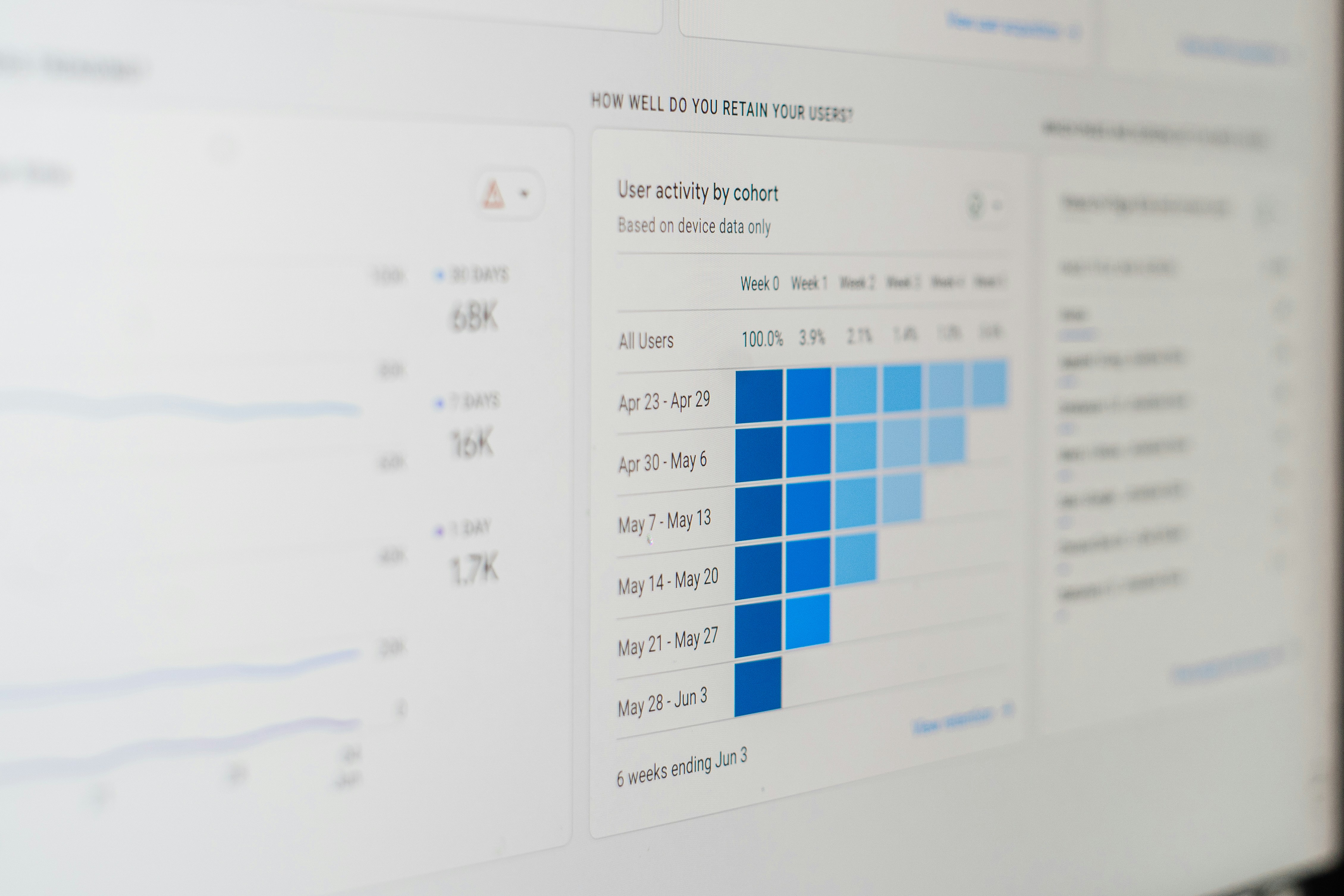
Introduction to Looker Studio
Looker Studio, a powerful data analytics tool, enables organizations to make informed decisions by visualizing and interpreting data effectively. Designed for dynamic reporting, Looker Studio empowers businesses to transform raw data into compelling visual narratives that illustrate key insights. Through a range of customizable dashboards and reports, this platform facilitates the integration of various data sources, making it an essential asset for data-driven decision-making.
The primary purpose of Looker Studio lies in its ability to help users explore, analyze, and visualize their data effortlessly. By leveraging an interactive interface, users can engage with their data in real-time, uncovering trends and patterns that might otherwise go unnoticed. This engagement is crucial in today’s fast-paced business environment, where timely insights can lead to competitive advantages.
Moreover, effective data visualization is vital for conveying complex information in an easily digestible format. Looker Studio offers a range of visualization options, including charts, graphs, and maps, which enable users to present their findings clearly and concisely. The importance of visual storytelling cannot be overstated; businesses that utilize data visualization tools such as Looker Studio are better equipped to communicate their insights to stakeholders, ultimately influencing critical business strategies.
In addition to enhancing the comprehension of data, Looker Studio fosters collaboration among team members. By providing a centralized platform for data exploration, users can share insights and reports seamlessly, promoting a culture of collaboration and innovation within their organizations. Consequently, Looker Studio serves as a foundational tool for businesses seeking to harness the power of data analytics effectively.
Understanding Sitefinity and Its Role
Sitefinity, developed by Progress Software, is a robust content management system (CMS) designed to facilitate the creation, management, and optimization of digital content across various platforms. Its core functionalities are centered around delivering an intuitive user experience for both content creators and developers. With a user-friendly interface, Sitefinity allows organizations to easily publish and manage web content, ensuring that teams can collaborate effectively while maintaining control over their digital assets.
One of the primary benefits of using Sitefinity is its flexibility and scalability, making it suitable for businesses of all sizes, from small startups to large enterprises. The platform supports multiple languages and regions, enabling organizations to reach a global audience without compromising on performance or functionality. Furthermore, Sitefinity integrates seamlessly with other essential business tools, such as customer relationship management (CRM) systems and marketing automation platforms, which empowers organizations to enhance their overall digital strategies.
Another significant advantage of Sitefinity is its powerful analytics capabilities. By leveraging Sitefinity’s built-in reporting and analytics features, organizations can gain valuable insights into user behavior, content performance, and overall engagement metrics. This capability is particularly important in today’s data-driven landscape, where understanding customer preferences and optimizing marketing efforts are crucial for sustaining competitive advantage.
Moreover, Sitefinity’s integration with data visualization tools like Looker Studio allows organizations to harness the full potential of their content by transforming raw data into meaningful insights. This synergy enables businesses to make informed decisions based on real-time data, improving accuracy and efficiency in content delivery and marketing strategies. As organizations increasingly prioritize data-led decision-making, Sitefinity emerges as a centralized hub that facilitates such integration, ensuring that content management and data insights go hand in hand.
The Importance of Data Analytics in Business
In today’s rapidly evolving business landscape, data analytics has emerged as a crucial component for organizational success. Businesses are increasingly recognizing the value of leveraging data to inform decision-making processes, optimize operations, and enhance customer experiences. According to a report from McKinsey, companies that embrace data-driven decision-making are 23 times more likely to acquire customers, 6 times more likely to retain them, and 19 times more likely to be profitable.
The rise of big data has transformed the way businesses operate, allowing them to tap into vast amounts of information generated both internally and externally. This includes customer interactions, market trends, competitive analysis, and operational efficiencies. Utilizing data analytics tools, businesses can extract meaningful insights from this information, enabling them to make timely and informed decisions. Enterprise-level analytics platforms, such as Looker Studio with Sitefinity Insight, facilitate the integration and visualization of these data streams, providing a comprehensive view of operations and enhancing strategic planning.
Furthermore, the global demand for data analytics professionals has consistently increased, with the Bureau of Labor Statistics projecting a growth rate of 31% for data-related occupations. As organizations strive to maintain a competitive edge, investing in data analytics capabilities allows them to identify emerging opportunities and address potential challenges proactively. The ability to utilize predictive analytics, for example, enables businesses to anticipate customer behavior and personalize their offerings, thereby increasing customer satisfaction and loyalty.
Moreover, companies that engage in data-driven decision-making are better equipped to navigate uncertainties and adapt to market fluctuations. In this era of digital transformation, understanding the importance of data analytics is vital for any business aiming to thrive and grow sustainably. In conclusion, the integration of analytics into corporate strategy not only streamlines operations but also provides a foundation for innovation and long-term success.
Integrating Looker Studio with Sitefinity for Enhanced Data Reporting
Looker Studio and Sitefinity together form a powerful ecosystem that can significantly enhance data reporting and user experience. Looker Studio is renowned for its data visualization and business intelligence capabilities, allowing users to create interactive dashboards that provide valuable insights. On the other hand, Sitefinity, a robust content management system, enables organizations to manage digital content efficiently across various channels. When these two platforms are integrated, businesses can leverage their strengths to unlock the full potential of their data.
One of the primary advantages of integrating Looker Studio with Sitefinity is the ability to generate customized reports based on the data collected from user interactions on the Sitefinity platform. For instance, organizations can combine tracking data, such as pageviews and user behavior, with Looker Studio’s visualization tools. This enables deeper analysis and the ability to tailor marketing strategies effectively. A retail company that uses Sitefinity can analyze customer engagement on their website and visualize trends in Looker Studio, leading to enhanced decision-making and targeted promotions.
Additionally, the synergy between Looker Studio and Sitefinity extends to real-time data processing. Businesses can set up automated data pipelines that regularly feed updated analytics from Sitefinity into Looker Studio. This ensures that stakeholders always have access to the latest information, thereby supporting timely and informed decisions. For example, a media organization can monitor how various content pieces perform over time and promptly adjust their strategies according to real-time insights, thus improving their overall user engagement and satisfaction.
In summary, the collaboration between Looker Studio and Sitefinity not only streamlines data reporting processes but also enriches the user experience by providing actionable insights, ultimately driving better business outcomes. This powerful integration empowers businesses to make informed decisions and adapt swiftly in a dynamic marketplace.
Key Features of Looker Studio
Looker Studio is a robust data visualization and reporting tool that offers a suite of features designed to enhance data analysis and interpretation. A primary strength of Looker Studio is its intuitive interface, which allows users to create custom dashboards and reports effortlessly. Users can drag and drop various elements to visualize their data effectively, catering to their unique business requirements.
Another salient feature is the ability to connect to multiple data sources. Looker Studio supports various platforms, such as databases, cloud services, and APIs, enabling organizations to consolidate their data insights in one central location. This eliminates data silos and facilitates a more comprehensive analysis of key performance metrics.
Integration capabilities extend to real-time data updates, allowing users to monitor trends and performance metrics as they evolve. This feature empowers decision-makers by providing up-to-date information, minimizing delays in reporting and enabling timely responses to emerging trends or issues. Furthermore, Looker Studio incorporates sophisticated analytical tools such as forecasting and trend analysis, which help organizations make data-driven decisions based on historical patterns and future projections.
Collaboration tools also play a vital role in enhancing the functionality of Looker Studio. Users can share dashboards and reports with team members or stakeholders, ensuring everyone has access to the same information. Moreover, built-in commenting features encourage discussions around specific data points, promoting a collaborative approach to data analysis and decision-making.
Lastly, the platform emphasizes security and ease of use, with customizable user roles and permissions allowing organizations to control access to sensitive data. This ensures that data remains secure while still being accessible to authorized users. Together, these features make Looker Studio an invaluable asset for any organization looking to elevate its data visualization and reporting processes.
Setting Up Looker Studio with Sitefinity
Integrating Looker Studio with Sitefinity is a strategic move to enhance your organization’s data visualization capabilities. This process begins with ensuring that you meet the essential technical requirements. First, verify that your Sitefinity version is compatible with Looker Studio. Typically, a more recent version of Sitefinity will facilitate smoother integration. Additionally, confirm that you have an active Looker Studio account, as well as sufficient permissions to create and manage reports within the platform.
Once the prerequisites are met, proceed to configure the connection between Sitefinity and Looker Studio. The first step involves accessing your Sitefinity administration panel and locating the Sitefinity Insight module. From there, you will need to enable API access, which is crucial for data retrieval. Ensure that you generate the necessary API keys, as these will authenticate requests from Looker Studio. Properly documenting these keys is vital since you will need them during the data connection phase.
After establishing the connection, common challenges may arise, such as authentication errors or data access issues. A frequent culprit of these challenges is incorrect API key input or expired access tokens. It is advisable to double-check the accuracy of the credentials. Additionally, ensure that your Sitefinity data is adequately structured, as Looker Studio requires well-defined datasets to generate visualizations effectively.
Moreover, if you encounter unexpected behavior or performance glitches, consider clearing your cache or refreshing your data source configuration in Looker Studio. This can often resolve minor issues and enhance the fluidity of report generation. By following these steps and troubleshooting tips, you can set up Looker Studio seamlessly with Sitefinity, thereby unlocking advanced data analytics and reporting capabilities for your organization.
Best Practices for Data Reporting with Looker Studio
To maximize the effectiveness of Looker Studio in data reporting, it is essential to implement a strategic approach that enhances both clarity and usability. One of the foremost best practices is to establish clear objectives before diving into data visualization. Understanding the specific insights users wish to gain from the data will help in selecting appropriate metrics and formats for presentation.
Another critical aspect is to utilize the diverse visualization options available in Looker Studio effectively. Different types of data require different formats to convey information accurately and efficiently. For instance, line charts can effectively show trends over time, while bar charts are ideal for comparing categorical data. Ensure that the chosen visualization aligns with the data being presented, as this aids in deeper understanding and better decision-making.
Furthermore, maintaining a clean and organized layout should be a priority. Avoid overcrowding dashboards with excessive information, which can lead to confusion. Instead, prioritize key metrics and visuals that promote quick comprehension. Leverage the option of using filters and date ranges to provide the audience with control over the data they view, leading to more focused and relevant insights.
It is also advisable to adopt a consistent color scheme and labeling system throughout the reports. This practice not only enhances visual appeal but also allows users to navigate through the information effortlessly. Misleading or inconsistent data labels can lead to misinterpretations, so precision in labeling is crucial.
Lastly, regularly review and update reporting practices based on user feedback and emerging data trends. Avoid common pitfalls such as using outdated information, which can compromise the reliability of the reports. By iterating on feedback and ensuring data accuracy, organizations can unlock the full potential of Looker Studio for impactful data reporting.
Integrating Your Services with Looker Studio
In today’s data-driven landscape, businesses must leverage various tools to extract meaningful insights that drive decision-making processes. Looker Studio, a powerful analytics platform, enables organizations to visualize and analyze data effectively. However, its capabilities can be significantly broadened by integrating additional services and tools, creating a robust ecosystem for analytics and reporting.
Integrating Looker Studio with other services provides businesses with a comprehensive view of their data landscape. For example, by connecting Looker with customer relationship management (CRM) systems, organizations can analyze customer behavior and sales performance in real-time. Similarly, integration with marketing automation platforms allows businesses to assess the effectiveness of campaigns, giving way to more targeted strategies and improved ROI.
The seamless connection of various applications enables the aggregation of diverse datasets. This unified approach not only enhances data integrity but also provides richer context for analysis. Businesses can quickly drill down into data sets from operations, finance, and marketing departments to uncover hidden trends and correlations that may not be visible when analyzing siloed data.
Furthermore, adding APIs and other third-party tools can streamline workflows, minimizing manual data entry and reducing the chance for errors. Automated data flows ensure that Looker Studio is continuously updated with the latest information, empowering teams to act swiftly on insights derived from the most current data.
Engaging in this integration strategy requires careful planning and execution. Identifying the right tools that align with business objectives is crucial. As organizations venture into expanding their analytics capabilities with Looker Studio, they are likely to uncover unprecedented opportunities for growth and optimization.
Conclusion and Next Steps
In summary, the integration of Looker Studio with Sitefinity Insight presents significant advantages for organizations looking to enhance their data visualization capabilities. By harnessing the power of Looker Studio, businesses can streamline their reporting processes and gain valuable insights from their data. The combination of these two platforms enables users to create dynamic, visually appealing dashboards that offer real-time analytics, thereby facilitating informed decision-making.
The ability to seamlessly connect Sitefinity Insight with Looker Studio allows users to analyze website performance, track user interactions, and identify trends more efficiently. Organizations leveraging this integration experience improved clarity in their data representation, ultimately decreasing the time spent on generating reports and increasing the overall productivity of teams. Furthermore, the adaptability of Looker Studio means that it can cater to various industries and provide tailored solutions that meet specific business needs.
As businesses consider implementing these tools, the next steps involve exploring further how Looker Studio can align with existing operations. Organizations are encouraged to reach out via the contact page to discuss tailored strategies for Looker Studio reporting and ensure they maximize their investment in these technologies. Engaging with experts can provide valuable insights into best practices and help navigate any challenges during implementation.
In conclusion, the collaboration between Looker Studio and Sitefinity Insight opens up new avenues for effective data management and visualization. By proactively pursuing these opportunities, businesses can position themselves for success in a data-driven environment, harnessing the full potential of their insights to drive growth and improve operational efficiency.