
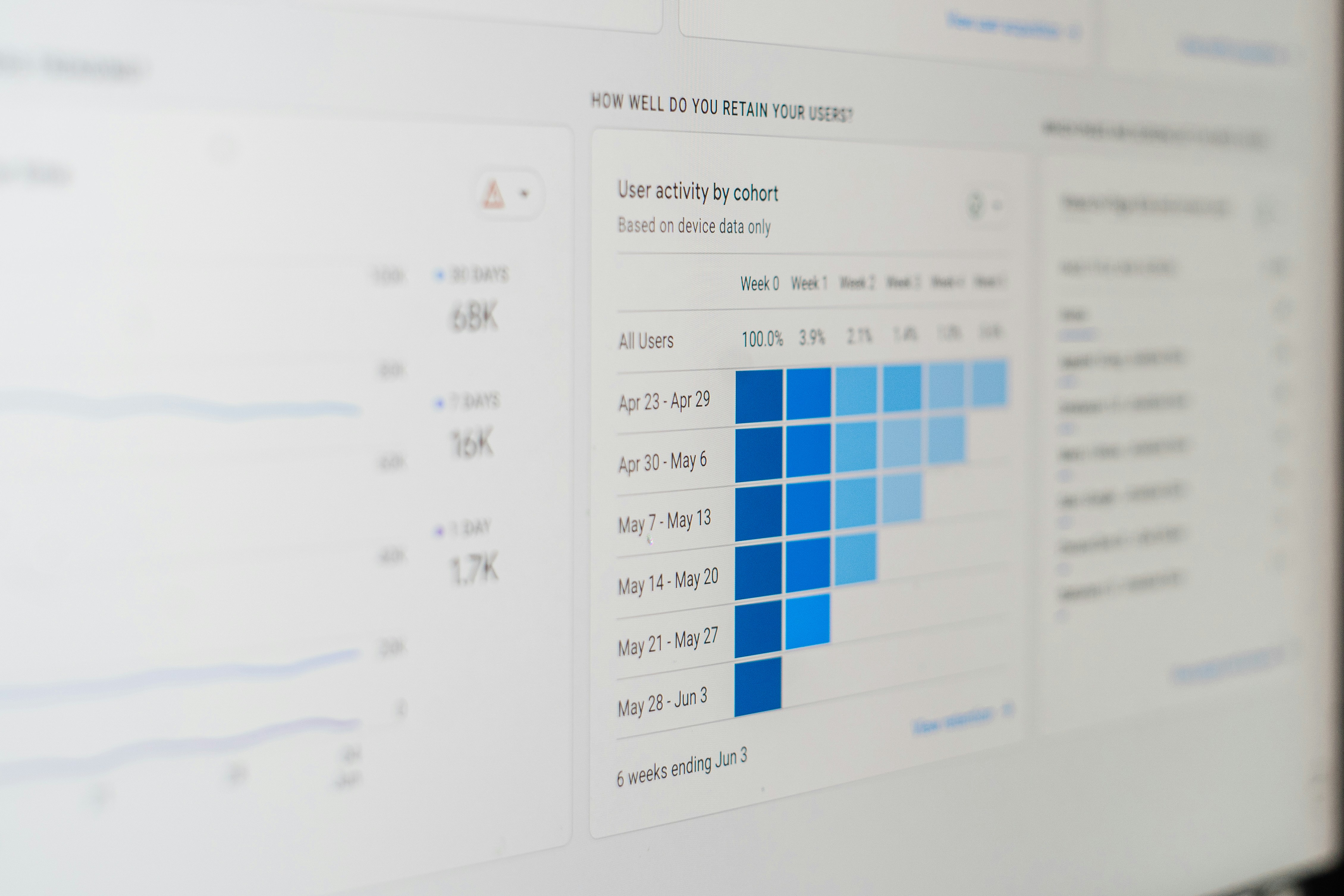
Introduction to Looker Studio
Looker Studio, a pivotal tool within the data analysis and business intelligence landscape, serves as a transformative platform for organizations seeking to harness the full potential of their data. Designed to facilitate reporting and visualization, Looker Studio empowers users to access, analyze, and share data insights seamlessly across teams. Its primary purpose lies in enabling stakeholders to make informed decisions based on real-time data, which is crucial in today’s fast-paced business environment.
One of the standout features of Looker Studio is its intuitive user interface, which enhances the accessibility of data analytics. Users can easily create customized dashboards and reports without requiring deep technical knowledge, thus democratizing data access within organizations. Furthermore, Looker Studio integrates effortlessly with various data sources, allowing businesses to consolidate information from multiple platforms into a centralized location for comprehensive analysis.
Organizations gravitate towards Looker Studio not only for its robust data visualization capabilities but also for its collaborative features. Teams can work together in real time, sharing insights and making adjustments based on live data, which fosters a culture of informed decision-making. Additionally, Looker Studio supports advanced data modeling, providing businesses with the flexibility to tailor analyses to their unique needs.
In essence, Looker Studio is not merely a tool for reporting; it is a strategic asset that enhances an organization’s capability to leverage data in driving growth and innovation. Its significance extends beyond technical functionalities, establishing itself as a key enabler of performance metrics and business intelligence initiatives. By adopting Looker Studio, organizations can achieve deeper insights, streamline their reporting processes, and ultimately, unlock the true power of their data.
Getting Started with Looker Studio
To embark on your journey with Looker Studio, the first step is to create an account. Visit the Looker Studio website and click on the sign-up button, where you’ll be prompted to enter your email address and create a password. Once your account is set up, you will receive a confirmation email to verify your account. Follow the instructions in the email to complete the registration process. After verification, log in to gain access to the Looker Studio interface.
Upon logging in, you will be greeted with an intuitive dashboard that encompasses various functionalities designed for data exploration. The layout is organized to streamline navigation, making it easier for users to access different features. Familiarize yourself with the main sections: the navigation bar on the left, the workspace area at the center, and the properties panel on the right. The navigation bar is essential as it allows you to switch between your reports, data sources, and user settings efficiently.
To explore data using Looker Studio, begin by connecting to a data source. Click on the “Create” button, followed by selecting “Data Source.” Here, you’ll find a long list of compatible connectors which enables Looker Studio to retrieve data from various platforms such as Google Sheets or BigQuery. Once your data is connected, you can start crafting visualizations and reports using the built-in tools available in the interface.
Explore features such as charts, tables, and filters to manipulate your data effectively. Looker Studio allows for collaborative work, so don’t hesitate to invite team members to make edits or share insights. Taking the time to understand these fundamental tools will significantly enhance your ability to utilize Looker Studio effectively for data visualization and analysis.
Connecting Your Data Sources
Connecting data sources to Looker Studio is a crucial step in leveraging its capabilities for data analysis and visualization. Looker Studio supports a myriad of popular databases and cloud platforms, making it a flexible tool for organizations with diverse data environments. To effectively connect data sources, users can take advantage of several integration options. These include connecting directly to relational databases, utilizing cloud services, and incorporating third-party APIs.
For relational databases, Looker Studio offers native connectors for systems such as MySQL, PostgreSQL, and Microsoft SQL Server. Establishing a connection typically involves providing database credentials and specifying the required tables or views. It is vital to ensure that the connection settings are correctly configured to facilitate seamless data flow while maintaining performance efficiency. Additionally, users can also connect to cloud databases such as Google BigQuery and Amazon Redshift, which support large-scale data analysis.
Another option for data integration involves using cloud storage solutions, such as Google Sheets or Amazon S3. These sources can be easily linked to Looker Studio, allowing users to visualize and analyze data without complex setups. When selecting data sources, best practices dictate evaluating data accuracy and ensuring robust security measures, particularly when working with sensitive information. Data users should regularly audit their connections and monitor access permissions to prevent unauthorized data views.
Ultimately, when connecting data sources to Looker Studio, it is essential to approach the setup systematically. Understanding the available integration options, ensuring data accuracy, and implementing effective security measures are all vital processes. With these practices in place, users will be well-equipped to maximize the potential of Looker Studio and extract valuable insights from their data.
Creating Interactive Dashboards
Designing and customizing dashboards in Looker Studio is a pivotal step in delivering an engaging user experience and effective data storytelling. The process begins with selecting the appropriate visualizations that best represent your data. Looker Studio offers a variety of chart types, including bar charts, line graphs, and pie charts. Understanding the nature of your data and the message you intend to convey is essential when choosing these visualizations. For instance, time series data may be best illustrated with line graphs, while categorical comparisons can be effectively represented using bar charts.
Once you have selected the ideal visualizations, the next step is to arrange the components of your dashboard in a user-friendly manner. Looker Studio allows for flexible layouts, enabling you to drag and drop elements to create a balanced and coherent design. It is advisable to follow a logical flow that guides the user through the dashboard effortlessly. Organizing related information together while utilizing an intuitive color scheme can significantly enhance the readability and appeal of the dashboard.
Utilizing interactive elements in your dashboards can further elevate user engagement. Features such as filters, drill-down options, and date range selectors allow users to manipulate the data on display, fostering a more dynamic exploration of the information. Looker Studio simplifies the integration of these interactive features, enabling dashboard creators to provide a customized experience tailored to user needs.
While designing interactive dashboards in Looker Studio, balancing aesthetics with functionality is essential. By thoughtfully combining attractive visualizations, a logical arrangement of components, and interactive elements, you can create compelling dashboards that not only present data effectively but also invite users to engage deeply with the insights provided. This approach ensures that your audience can unlock the full potential of the data presented, ultimately driving better decision-making.
Building Reports with Looker Studio
Building reports with Looker Studio is a powerful way to visualize and interpret data, allowing users to derive actionable insights effortlessly. The platform offers various features that facilitate the structuring of reports in an organized manner. To create a comprehensive report, it is crucial to start with a clear understanding of the data sets at your disposal. It is recommended to categorize data into logical sections, making it easier for end-users to navigate through the report. This can be achieved through the use of charts, tables, and graphs that effectively represent the underlying data.
Utilizing filters and drill-down options plays a vital role in enhancing the interactivity of your reports in Looker Studio. Filters allow users to zoom in on specific data points, enabling them to focus only on what is relevant to their current analysis. For instance, you can set filters based on date ranges or category types, providing a more tailored view. Additionally, the drill-down feature gives users the ability to delve deeper into summarized data, thus revealing more granular information that can significantly aid decision-making processes.
Another important aspect to consider is the labeling and annotations within your reports. Clear labeling of data points ensures that users can easily understand the context of the information presented. Annotations can be particularly useful for highlighting significant changes or trends within the data. By including notes on specific values or periods, or by clarifying complex metrics, you enhance the overall interpretability of the report. All of these elements together help create an engaging and informative report structure that maximizes the capabilities of Looker Studio, allowing users to leverage this tool for strategic planning and data-driven decision-making.
Collaboration Features in Looker Studio
Looker Studio provides a robust suite of collaboration features that are essential for teams seeking to leverage data insights effectively. One of the standout functionalities is the ability to share dashboards and reports seamlessly with colleagues. Users can create and distribute reports within their organization with ease, enhancing accessibility to critical data without requiring extensive technical know-how. The sharing capability is designed to foster transparency and collective analysis, promoting a data-driven culture among teams.
Additionally, Looker Studio allows users to set specific permissions when sharing content. Administrators can control who has access to view, edit, or comment on reports and dashboards. This feature is crucial for maintaining data security and ensuring that sensitive information is only accessible to designated team members. By setting granular permissions, companies can manage collaboration effectively while safeguarding their data assets.
Another powerful feature in Looker Studio is the built-in commenting tool. This functionality facilitates real-time discussions around specific data points within a dashboard or report. Team members can leave comments directly on the relevant sections, enabling context-rich feedback that can drive insights and prompt action. This collaborative environment encourages collective problem-solving and enhances the overall analytical process. Users can streamline interactions on Looker Studio, allowing for the easy exchange of ideas and further refining strategy development based on data insights.
Ultimately, the collaboration features in Looker Studio significantly enhance teams’ ability to work together effectively. By sharing insights, controlling access, and fostering discussion, organizations can unlock the full potential of their data. This collaborative approach not only elevates productivity but also leads to more informed decision-making based on shared knowledge and expertise within the team.
Tips for Optimizing Your Looker Studio Experience
Maximizing the efficiency of Looker Studio can greatly enhance your data analysis and reporting process. One effective way to optimize your experience is to familiarize yourself with various shortcuts that can save time and improve workflow. For instance, using keyboard shortcuts for common actions, such as navigating between fields or accessing menus, can help you work more efficiently. This simple adjustment can lead to a significant increase in productivity while using Looker Studio.
Another crucial aspect is to avoid common pitfalls that users may encounter. For example, careful attention should be paid to data modeling and visualization choices. It is important to ensure that the data being analyzed is clean and well-structured, as this directly impacts the performance of Looker Studio reports. Avoid mixing different data types within the same field, as this can lead to errors and inaccuracies in your visualizations. Regularly reviewing and updating your data connections also aids in minimizing issues that could arise from outdated information.
Performance optimization techniques are paramount for ensuring that Looker Studio runs smoothly. One strategy involves leveraging caching mechanisms that can significantly speed up query execution times. This means that data requests can be processed faster when you effectively utilize Looker’s cache. Additionally, consider breaking down large datasets into smaller, more manageable segments. By doing so, you improve not only the performance of Looker Studio but also enhance usability, allowing you to focus on the most relevant data.
Incorporating collaborative features is another way to enhance your Looker Studio experience. By sharing reports and visualizations with team members, you can foster a more dynamic and effective data environment. Utilizing comments and feedback options within Looker Studio allows for constructive discussions around data insights, promoting a data-driven culture within your organization.
Real-world Use Cases of Looker Studio
Looker Studio has emerged as a pivotal tool in the realm of business intelligence, providing organizations across various industries with the ability to harness data effectively. In the retail sector, for instance, major companies have utilized Looker Studio to analyze customer behavior, optimizing their inventory management and promotional strategies. By integrating data from multiple sources, retailers can better understand purchasing trends and forecast demand, ultimately boosting sales and reducing waste.
In the healthcare industry, Looker Studio has been instrumental in streamlining operations and enhancing patient care. Hospitals and clinics have leveraged its capabilities to analyze patient data, staff performance, and operational costs. By generating comprehensive dashboards, healthcare providers gain valuable insights into patient outcomes and resource allocation, leading to improved decision-making and increased efficiency. Such data-driven decisions have been crucial in identifying care gaps and implementing targeted interventions.
Additionally, the finance sector has harnessed Looker Studio to monitor market trends and manage risk. Financial institutions utilize its advanced analytics features to uncover insights from vast datasets, thereby enhancing their investment strategies. By employing Looker Studio help, these organizations can create custom reports that enable them to assess potential investments more accurately and respond swiftly to market fluctuations.
Moreover, educational institutions are also capitalizing on Looker Studio’s capabilities. By analyzing student performance data and enrollment trends, universities can make informed decisions regarding program offerings, resource allocation, and student engagement initiatives. This approach has proven effective in enhancing educational outcomes and ensuring better alignment between student needs and institutional goals.
These examples illustrate the versatility of Looker Studio across various sectors, showcasing how organizations leverage its capabilities to drive data-driven decisions and improve business outcomes.
Getting Help and Resources
As you embark on your journey to master Looker Studio, it is essential to leverage the myriad of resources available for users at different proficiency levels. Regardless of whether you are a beginner or an advanced user, having access to quality documentation and support can significantly enhance your learning experience and proficiency in utilizing Looker Studio.
The official Looker documentation serves as one of the most comprehensive resources for understanding the platform’s features and functionalities. This well-organized documentation provides detailed guides on setup, integrations, and troubleshooting common issues. You can access the documentation on the official Looker website, where you will find clear instructions and valuable examples to help clarify complex concepts.
In addition to official documents, community forums, such as the Looker Community, play a vital role in fostering collaboration and knowledge sharing. These forums allow users to pose questions, share insights, and troubleshoot problems together. Engaging with the community can significantly expedite your learning process as you gain diverse perspectives and solutions from fellow Looker Studio users.
For those looking for more structured learning, numerous tutorials and training materials are available online. Websites such as YouTube, Udemy, and Coursera offer video tutorials ranging from introductory courses to advanced techniques. These resources can provide you with visual guides that complement the written documentation, making complex topics more approachable.
Furthermore, participating in webinars and workshops can enhance your understanding of Looker Studio. Many organizations and educators frequently host sessions designed to delve into specific features or best practices associated with the platform. By taking advantage of these opportunities, you can gain actionable insights directly from experts.
Utilizing these resources will empower you to effectively troubleshoot issues and optimize your use of Looker Studio, ultimately unlocking its full potential for your data analytics needs.