Introduction to YouTube Analytics
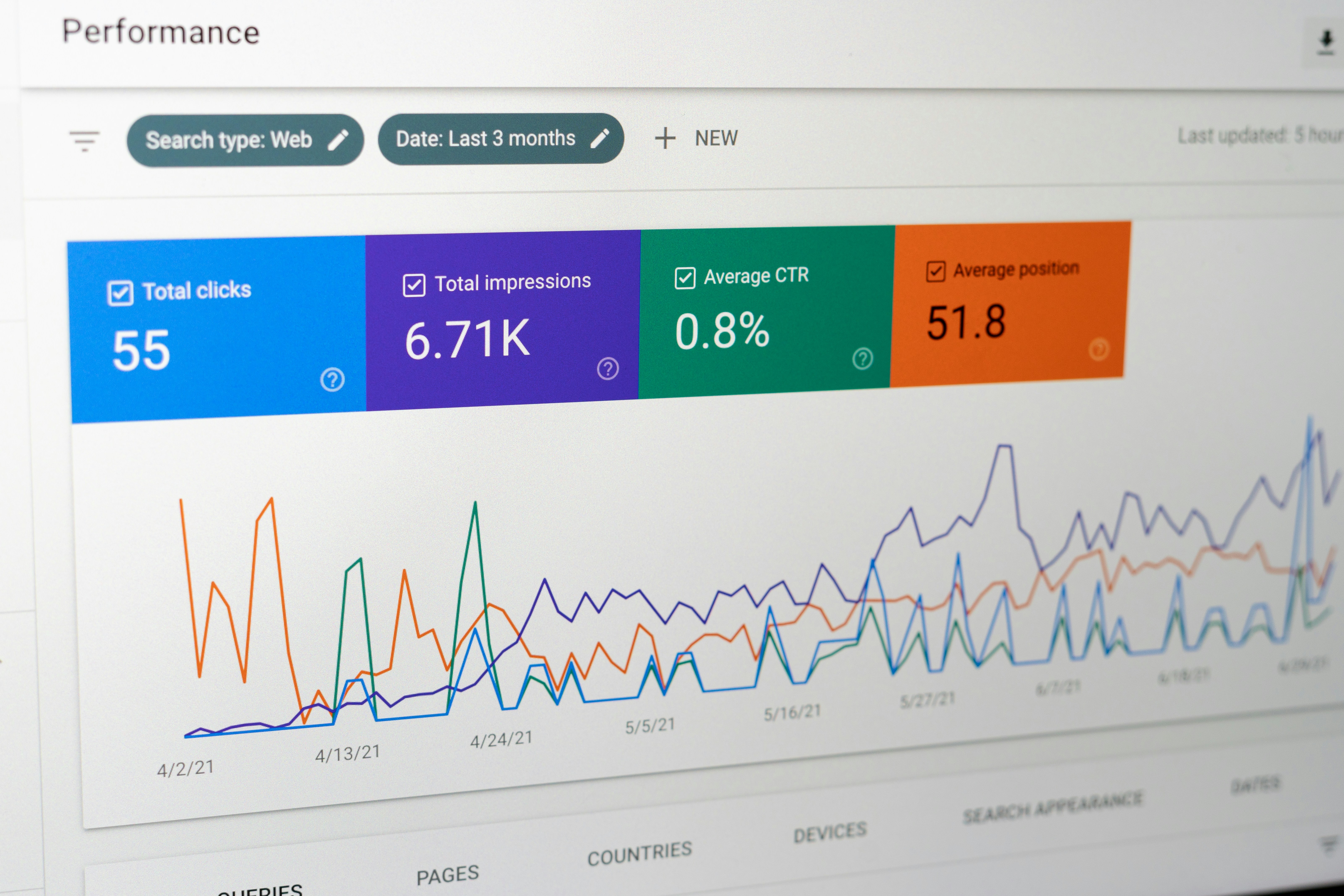
YouTube Analytics is an essential tool for anyone leveraging the platform to connect with audiences, create engaging content, or bolster marketing strategies. Understanding YouTube Analytics is crucial for content creators, marketers, and businesses aiming to make informed, data-driven decisions. This powerful suite of metrics unveils a wealth of information regarding user engagement, watch time, traffic sources, and audience demographics.
At its core, YouTube Analytics provides insight into how videos perform over time, allowing creators to track trends and identify opportunities for growth. One of the key features is the ability to view real-time statistics, which help creators gauge immediate reactions to newly released content. This immediacy is invaluable for understanding what resonates with audiences and for quickly adapting strategies to maintain viewer interest.
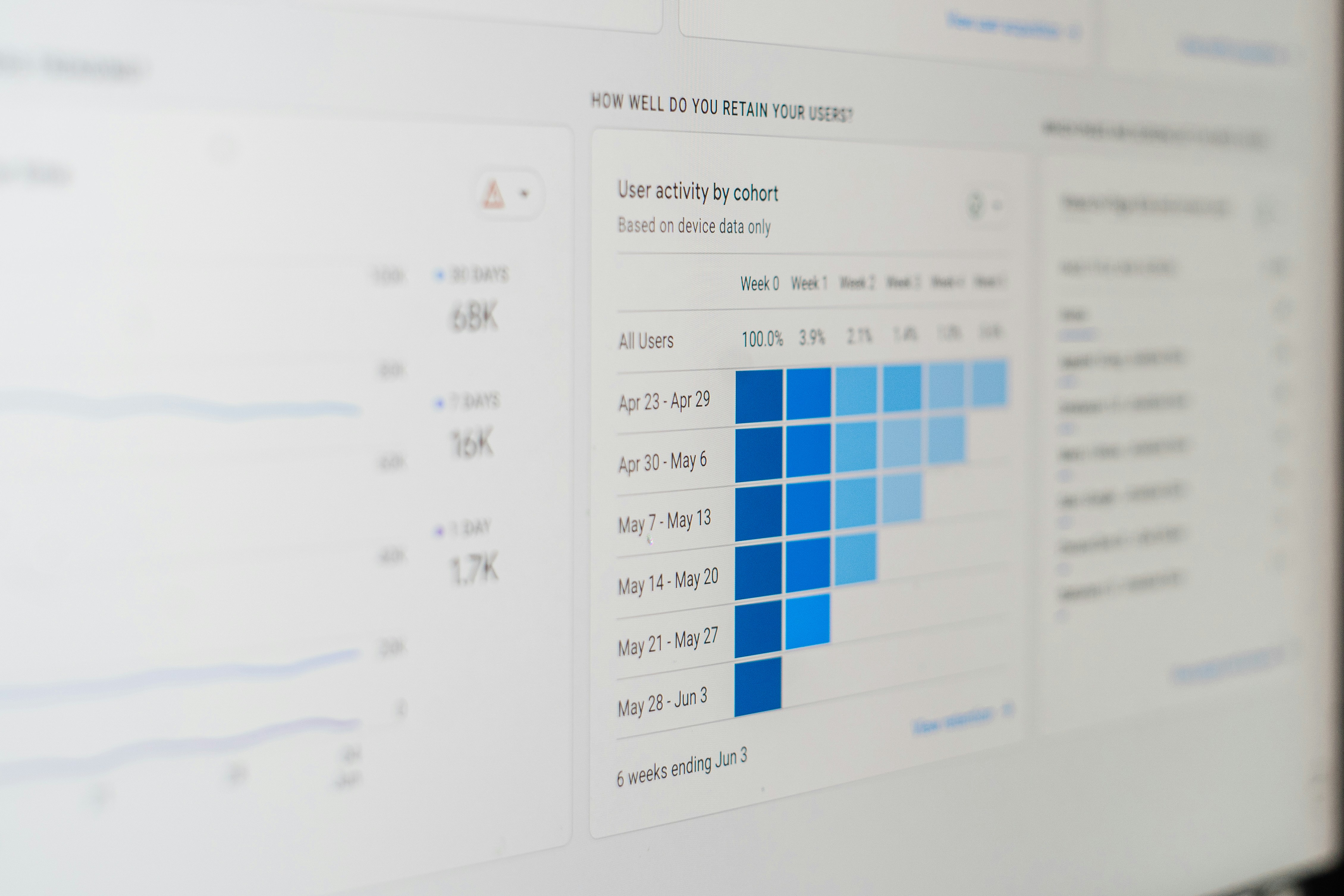
Furthermore, YouTube Analytics plays a vital role in audience understanding. By analyzing viewer demographics, including age, gender, and geographical location, content creators can tailor their videos to cater to the preferences of their target audience. Additionally, metrics such as average view duration and retention rate highlight engagement levels, indicating which parts of the video keep viewers watching and which may need reworking to enhance viewer retention.
In the context of content strategy, YouTube Analytics aids in identifying high-performing content while shedding light on underperforming videos. This information allows for the optimization of future content based on analytical feedback, making it easier for creators and marketers to devise relevant and impactful video strategies.
In conclusion, YouTube Analytics serves as a fundamental resource for understanding viewer behavior and improving content effectiveness. By utilizing its various features, users can refine their approach to content development, ultimately maximizing their potential reach and success on the platform.
Overview of Key Metrics
YouTube Analytics provides a wealth of information to content creators, enabling them to understand video performance and audience behavior. Among the most critical metrics available within this platform are views, watch time, subscriber changes, and engagement rates, each offering unique insights into how your content resonates with viewers.
Firstly, the number of views is a fundamental metric, representing the total times a video has been watched. While a high view count is often a benchmark of success, it is essential to analyze this figure in conjunction with other metrics to gain a holistic understanding of viewer interest and retention.
Watch time refers to the total minutes that viewers have spent watching your videos. This metric is vital as it contributes to your video’s ranking in search results and recommendations. YouTube encourages content that retains viewers for longer periods, so creators should aim to improve their watch time through engaging content and strategic video lengths. A deeper examination of watch time can also reveal specific audience preferences, such as the ideal video length or topics of interest.
Subscriber changes indicate the growth or decline of your audience base over time. Monitoring this metric helps in gauging the effectiveness of your content strategy and outreach efforts. A rise in subscribers often correlates with successful content that encourages viewers to want more, while a drop may signal a need for reassessment in content direction or engagement tactics.
Engagement rates, which include likes, comments, and shares, measure how viewers interact with your videos. Higher engagement can lead to better visibility in the YouTube algorithm, positively influencing your video’s reach. By analyzing engagement metrics, creators can tailor their content to encourage more viewer interaction, thereby enhancing overall channel performance.
Tracking Audience Engagement
Understanding audience engagement is pivotal for content creators on YouTube, as it provides insights into how viewers interact with videos. YouTube Analytics offers various metrics to assess engagement, including likes, dislikes, comments, and shares. Each of these components serves as a crucial indicator of viewer sentiment and preference. Likes and dislikes provide immediate feedback on how well your content aligns with audience expectations, while comments can serve as a valuable source of qualitative data. By analyzing these metrics, creators can identify trends, popular topics, and areas needing improvement.
In addition to likes and dislikes, the comments section can reveal the level of viewer involvement. Engaging with viewers through comments can foster a sense of community and encourage further interaction. Creators should not only read comments but also respond, asking questions and prompting discussions that deepen viewer investment in both the content and the channel. Furthermore, shares are a critical metric, as they reflect the likelihood of a video resonating enough for viewers to promote it within their own networks.
To enhance audience engagement further, it is vital to employ effective strategies. One of the most efficient methods is to implement call-to-actions (CTAs) throughout videos. Strategically placed CTAs can encourage viewers to like, comment, or share content, thus amplifying engagement rates. Additionally, producing high-quality, relevant content that addresses the interests and desires of the target audience will naturally increase viewer interaction. Content that evokes emotional responses, whether it’s humor, inspiration, or relatability, is more likely to elicit comments and shares.
Ultimately, analyzing audience engagement through these metrics provides creators with a roadmap to improve their content strategy. By prioritizing viewer interaction and responding to feedback effectively, channels can create a more loyal and engaged community.
Demographics and Audience Insights
YouTube Analytics offers access to a wealth of demographic information that is pivotal for content creators and marketers. By navigating to the “Audience” tab within the YouTube Studio, users can access detailed analytics on their viewers, including essential factors such as age, gender, geographical location, and viewing habits. Understanding these demographics is crucial; it not only informs creators about who their content is resonating with but also guides the development of more targeted marketing strategies aimed at specific audience segments.
Analyzing the age distribution of viewers, for example, can significantly impact content creation. If the analytics reveal a predominance of viewers within a specific age range, this insight can steer creators towards tailoring their topics and presentation styles to better suit that demographic. Similarly, gender breakdown data can assist in understanding what content resonates more with male or female audiences, allowing for a focused approach to future projects.
Geographic data also plays a vital role. Knowing where your audience resides enables you to customize your content to reflect local interests or cultural references, further increasing viewer engagement. Understanding the viewing habits and behaviors of different audience segments can offer immense value as well; insights into peak viewing times and typical video duration preferences can help optimize release schedules and content lengths for maximum reach.
Moreover, identifying referral sources and traffic channels aids in creating more strategic marketing efforts. By recognizing which platforms are driving viewership, one can allocate resources accordingly and explore potential partnerships for broader exposure. Ultimately, leveraging demographic and audience insights from YouTube Analytics can lead to the cultivation of a tailored content strategy that not only boosts engagement but also enhances overall channel performance.
Analyzing Traffic Sources
Understanding how users discover your content on YouTube is crucial for optimizing your channel’s performance. YouTube Analytics provides detailed insights into the various traffic sources that lead viewers to your videos. By analyzing these traffic sources, content creators can make informed decisions regarding content creation and promotion strategies to maximize reach and engagement.
YouTube categorizes traffic sources into several key groups: Direct or unknown traffic, Search, Suggested videos, and External sources. Each category offers valuable insights into user behavior. For example, traffic from search entails users actively seeking specific content via keywords, indicating that your video aligns well with viewer interests and search intent. To enhance visibility in search results, understanding popular keywords and optimizing video titles, descriptions, and tags is imperative.
Suggested videos, on the other hand, represent views that result from YouTube’s algorithm promoting your content based on user preferences and viewing history. Analyzing which videos lead to your main content can help identify trends or themes that resonate with your audience, guiding future video production. It is beneficial to observe patterns in suggested traffic, as this can inform the types of thumbnails, titles, and video length that attract more clicks.
External sources refer to traffic that comes from outside of YouTube, such as social media platforms, websites, or newsletters. By monitoring external sources, you can gauge the effectiveness of your promotional efforts. This understanding allows you to refine strategies, targeting platforms that yield higher traffic and engagement. For instance, if your Instagram promotions are driving significant views, you may decide to increase your presence there.
In essence, the analysis of traffic sources available in YouTube Analytics is an invaluable tool that not only illustrates how viewers are finding your content but also informs your overall content strategy. By leveraging these insights, you can adapt your approach to enhance visibility and engagement across the platform.
Using Looker Studio for Enhanced Reporting
Looker Studio serves as a powerful tool for those seeking to create advanced, customized reports using YouTube Analytics data. By integrating YouTube Analytics with Looker Studio, users gain the ability to visualize their data in a more impactful way, transforming raw statistics into easily digestible insights. This process not only enhances the understanding of video performance but also aids in identifying trends and user engagement metrics that can inform strategic decisions.
One of the primary benefits of utilizing Looker Studio is its flexibility in report design. Users can create various visual representations of data, such as graphs, charts, and tables, allowing for a clearer analysis of viewer behavior and content effectiveness. By tailoring report elements to specific objectives, content creators can focus on metrics that matter most, whether it be watch time, audience retention, or demographic insights. This customization is crucial for aligning analytics with broader business goals and optimizing content for the target audience.
Another advantage of Looker Studio is its collaborative capabilities. Teams can work together on reports, sharing insights and perspectives that could lead to improved decision-making. The interactive features of Looker Studio allow users to drill down into specific metrics, further facilitating an in-depth analysis of performance. By examining data over time, content creators can glean actionable insights, helping to refine their strategies and enhance future video productions.
Furthermore, Looker Studio enables users to automate data updates, ensuring that reports reflect the most current metrics available from YouTube Analytics. This continuous flow of information allows for real-time adjustments to strategies as new patterns and viewer preferences emerge. By leveraging these capabilities, content creators can harness the full potential of YouTube Analytics, paving the way for sustainment and growth in their digital presence.
Actionable Strategies to Improve Performance
Improving the performance of a YouTube channel is a multifaceted endeavor that requires a careful analysis of the analytics provided. One of the foundational elements is the creation of high-quality content that resonates with the target audience. This can be achieved by conducting thorough research on trending topics in your niche, which can guide content creators in producing videos that are timely and relevant. Engaging storytelling paired with visually appealing elements can dramatically increase viewer retention rates, encouraging subscribers to return for more.
Optimizing video titles and descriptions is equally crucial. Titles should be both captivating and informative, containing relevant keywords that enhance searchability without compromising on clarity. It is advisable to keep titles concise, ideally under 60 characters, and to utilize descriptions to provide additional context about the video’s content. Including relevant tags can also facilitate discoverability, as they help categorize the video within YouTube’s algorithm.
Establishing a consistent publishing schedule enhances audience engagement. Regular uploads at predictable intervals, whether weekly or bi-weekly, can foster anticipation among your viewers. Analytics can be leveraged here to identify the best days and times for uploading based on when your audience is most active, which can positively impact initial view counts and engagement metrics.
Lastly, improving audience retention should be a constant goal, as retention rates directly impact a channel’s performance. Structuring videos to maintain viewer interest, possibly by posing questions or creating cliffhangers that motivate viewers to stay until the end, is effective. Encouraging audience interaction through comments, likes, and shares can also foster a community around the channel, subsequently leading to organic growth. Implementing these strategies based on analytical insights can significantly enhance the overall effectiveness and reach of your YouTube channel.
Case Studies: Success Stories
YouTube Analytics serves as a valuable tool for content creators and brands aiming to optimize their channels. Several success stories highlight how leveraging insights from this platform can lead to significant growth and engagement. One prominent case study involves a fitness channel, ‘FitLife’, which utilized YouTube Analytics to identify its most popular workout videos based on viewer retention rates. By analyzing this data, the creators discovered that high-energy cardio sessions retained audiences longer than other types of exercises. Consequently, they adjusted their content strategy to focus more on cardio, resulting in a 150% increase in subscriptions over six months.
Another notable example is a cooking brand, ‘Gourmet Delights’, which effectively used YouTube Analytics to dissect audience demographics. They found that a significant portion of their viewers were young adults aged 18 to 24. By tailoring their video themes to include quick and easy recipes, they were able to resonate with their target demographic. This strategic shift, driven by analytics, led to an impressive 200% uptick in weekly viewership. Additionally, the brand launched interactive cooking challenges based on audience feedback gathered through comments and social media, further enhancing viewer engagement.
A third case study demonstrates the effectiveness of analytics for a tech reviewer channel, ‘Gadget Guru’, which had struggled with viewer interaction. By examining watch time metrics, they realized that their viewers preferred detailed, in-depth reviews. The channel then revised its approach, shifting from short summaries to comprehensive analyses of each product. This led to a remarkable 300% increase in comments and likes per video, solidifying their community engagement.
These case studies illustrate the transformative impact of YouTube Analytics on content strategy. By diligently examining and acting upon analytics insights, creators and brands can significantly enhance their channel’s performance and audience connection.
Conclusion and Future Outlook
In conclusion, the analysis of YouTube Analytics is crucial for content creators aiming to enhance their video performance and audience engagement. This guide has emphasized the importance of understanding various analytics metrics such as watch time, audience demographics, and engagement rates. By leveraging these insights, creators can make informed, data-driven decisions that cater to their audience’s preferences and viewing habits.
Looking to the future, it is evident that video consumption trends are shifting rapidly. With an increasing emphasis on short-form content and live streaming, platforms like YouTube are likely to adapt their analytics tools to provide more nuanced, real-time data. This evolution will help creators fine-tune their strategies in response to changing viewer behaviors. Additionally, as artificial intelligence and machine learning continue to advance, we can expect YouTube Analytics to incorporate more predictive capabilities, offering creators deeper insights into potential content success based on historical performance.
Moreover, the significance of staying informed about these analytical trends cannot be overstated. As competition intensifies, understanding and utilizing YouTube Analytics will become a critical factor for success in shaping content strategies. Creators will need to regularly monitor updates and developments within YouTube’s ecosystem to effectively adjust to changes that may affect content discovery and viewer engagement. By continually refining their approach using the analytics insights available, creators can not only enhance viewer satisfaction but also drive long-term growth and viability in an ever-evolving digital landscape. Ultimately, embracing a data-driven mindset is essential for any content creator looking to fully unlock the potential of their YouTube channels.