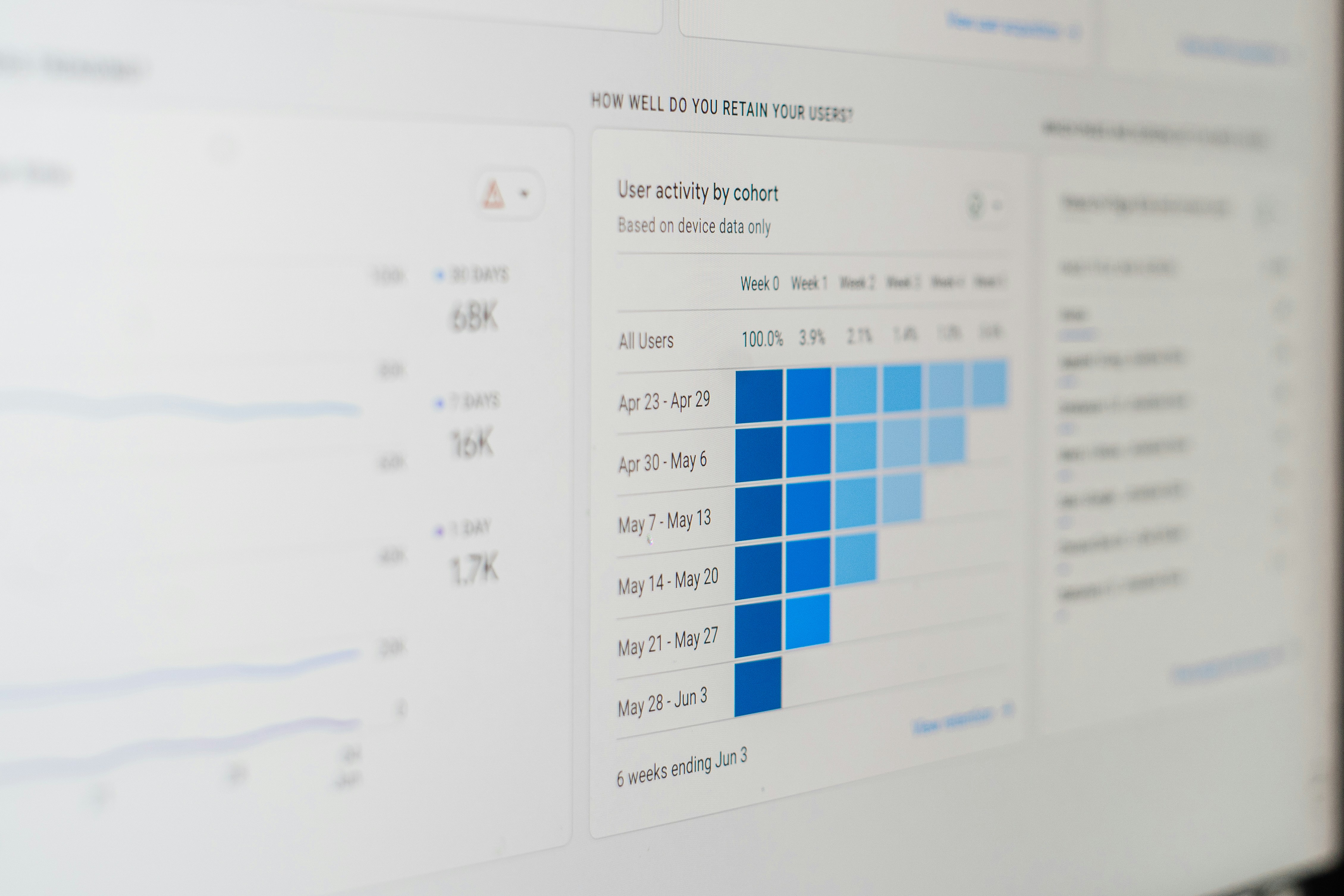
Introduction to Looker Studio and Google My Business
Looker Studio is a powerful data analysis and visualization platform designed to help businesses make informed decisions based on comprehensive insights. By transforming raw data into interactive dashboards and visual reports, Looker Studio allows users to easily manipulate, explore, and share their data, empowering them to extract meaningful conclusions that can drive strategic actions. With its user-friendly interface and robust analytics capabilities, Looker Studio is increasingly adopted across various sectors to enhance data visibility and operational efficiency.
On the other hand, Google My Business (GMB) is a free tool that enables business owners to manage their online presence across Google, particularly in search results and maps. Through GMB, businesses can create and verify their listings, respond to customer reviews, and provide critical information such as contact details, hours of operation, and services offered. With the increasing reliance on local searches, GMB has become an essential component for businesses aiming to increase their visibility and attract new customers.
When Looker Studio integrates with Google My Business, a synergistic effect is achieved that enhances overall data utilization. This integration allows companies to visualize key performance metrics derived from their GMB listings in a more structured manner. By harnessing Looker Studio’s capabilities, businesses can analyze customer interactions and engagement trends that occur within their Google My Business profile. This analysis not only aids in understanding customer behaviors but also provides valuable insights that assist in crafting targeted marketing strategies.
Beyond mere analysis, the combination of Looker Studio and Google My Business equips users with the tools to track their progress and identify opportunities for improvement. Consequently, businesses leveraging Looker Studio and Google My Business can develop informed decisions, ultimately translating into enhanced customer engagement and increased revenue generation.
Setting Up Looker Studio for Google My Business
Setting up Looker Studio for Google My Business involves a series of essential steps to ensure a seamless integration of your business data. To begin with, it is crucial to have a Google account linked to your Google My Business profile, as this will serve as the foundation for connecting Looker Studio to your business data.
The first prerequisite is to verify that you have administrative access to your Google My Business account. This access will allow Looker Studio to pull pertinent data necessary for creating insightful reports and dashboards. Once administrative access is confirmed, the next step is to link Looker Studio to your Google My Business data. You can accomplish this by navigating to the Looker Studio homepage, selecting “Create,” and then clicking on the “Data Source” option. From there, search for the Google My Business connector. This integration enables Looker Studio to access your business metrics directly.
After establishing the data connection, you will be required to configure the initial settings. This configuration includes selecting specific data points you want to be displayed, such as customer inquiries, views, and reviews. Ensure that the necessary metrics correlate directly with your business goals to maximize the effectiveness of your visualizations. Utilizing the filtering options can also allow for a more tailored data view, showcasing the information that matters most to decision-makers.
Following the data selection, it is advisable to create your first report. Looker Studio enables customization with various visualizations such as charts, graphs, and maps, providing a comprehensive overview of your Google My Business insights. By following these steps, you will be well on your way to optimizing your reporting efforts using Looker Studio for Google My Business, thereby enhancing your business’s overall performance and visibility.
Key Metrics and Data Points to Track
Utilizing Looker Studio for Google My Business presents an opportunity for businesses to leverage critical metrics and data points to enhance operational efficiency and customer engagement. One of the primary metrics to track is customer interactions, which encompass various actions taken by customers on your Google My Business listing. These interactions can include clicks to call, requests for directions, and visits to your website. By visualizing these metrics within Looker Studio, businesses can gain insights into customer behavior and preferences, enabling them to make data-driven decisions.
Another essential aspect to consider is the impact of customer reviews on overall business performance. Reviews significantly influence potential customers’ decisions and are pivotal in constructing an online reputation. Tracking metrics related to customer reviews involves monitoring the number of received reviews, the overall star ratings, and the sentiment reflected in customer feedback. Looker Studio provides the necessary tools to visualize these reviews effectively, allowing businesses to identify trends and areas needing attention. This analysis can inform strategies for improving customer service and addressing negative feedback promptly.
Location insights are equally crucial in understanding customer demographics and behaviors. Insights related to where customers are primarily located can help businesses strategize their marketing efforts more effectively. For example, Looker Studio enables users to create geographic visualizations of customer interactions, showing where the most significant engagement is coming from. This information can prove invaluable for targeting advertising campaigns or tailoring services to specific areas. By consolidating these metrics within Looker Studio for Google My Business, organizations can achieve a comprehensive view of their performance and identify opportunities for growth. By effectively tracking these key metrics, businesses can refine their approach to attract and retain customers, ensuring long-term success.
Creating Custom Reports in Looker Studio
Creating custom reports in Looker Studio using data from Google My Business can provide valuable insights into your business performance. To start, access Looker Studio and establish a connection to your Google My Business account. This initial step allows Looker Studio to retrieve essential data, including customer interactions, reviews, and search visibility metrics.
Once the connection is made, the next step involves selecting a blank report or choosing from the available templates. Looker Studio offers diverse templates that cater to different business needs; however, customizations can significantly enhance the relevance of your report. For instance, if your objective is to analyze customer engagement, you might modify a template designed for performance metrics.
After selecting a template, you can begin developing visualizations that best represent your data. Utilize various chart types available in the Looker Studio environment, such as bar charts, line graphs, and pie charts. Each type of visualization caters to specific data storytelling needs, allowing you to effectively communicate trends or distributions in your Google My Business data. Moreover, you can apply filters to your charts to segment data by specific criteria, such as location or timeframe, further refining the insights you wish to present.
In addition to visualizations, it is crucial to incorporate labels and add descriptions where necessary. These elements enhance clarity and ensure that stakeholders can interpret the report without ambiguity. Additionally, consider leveraging the interactivity features in Looker Studio, such as drill-down capabilities, to allow users to explore data at different levels of granularity.
Creating custom reports in Looker Studio opens up opportunities for businesses to derive deeper insights from their Google My Business data, ultimately guiding more informed decision-making processes.
Best Practices for Data Interpretation
Interpreting data gathered from Google My Business within Looker Studio requires a structured approach to ensure accuracy and relevance. First and foremost, establishing clear objectives for your data analysis is crucial. Define what specific questions you need to answer or what metrics are most important for your business objectives. This will guide your focus when analyzing trends and insights.
One of the best practices in data interpretation is to regularly monitor key performance indicators (KPIs). These can include customer engagement metrics such as views, clicks, and ratings. Utilizing Looker Studio allows users to create customized dashboards that present these metrics visually, making it easier to identify patterns over time. For instance, if you notice a significant increase in customer views after a promotional campaign, it could indicate the effectiveness of your marketing efforts.
Identifying trends is another critical practice. Look for patterns that emerge from your data over time. Are there specific days of the week when customer engagement increases? Or do seasonal changes influence your business metrics? Such trends can help inform future business strategies and promotional activities. However, it is essential to contextualize these trends; for example, a spike in customer interactions may also coincide with external factors such as local events or economic changes.
Moreover, making actionable insights requires a focus on the data context. Avoid common pitfalls such as over-generalizing results or neglecting external influences that may affect data trends. Conduct thorough analyses before drawing conclusions or making decisions based solely on observed data patterns. Leveraging Looker Studio for Google My Business not only aids in data visualization but also allows for in-depth reporting capabilities, ensuring that your data interpretation process is both accurate and strategic.
Sharing and Collaborating on Reports
Sharing reports created in Looker Studio for Google My Business is a pivotal aspect of effective data management and analysis. By facilitating collaboration, stakeholders and team members can work together to interpret insights, make informed decisions, and enhance business strategies. Looker Studio provides various options for sharing reports, allowing users to cater to the diverse needs of their audience.
One prominent method to share Looker Studio reports is through the share link feature. This feature allows users to generate a unique URL that can be distributed to stakeholders. Upon clicking the link, viewers will have immediate access to the report, offering a seamless avenue for information dissemination. Additionally, reports can be embedded in organizational websites or internal dashboards, further promoting accessibility. This method is especially useful for teams who require regular updates or those engaged in dynamic projects.
Another key function in Looker Studio is exporting reports. Users can download reports in various formats such as PDF, Excel, or CSV. This capability is beneficial for stakeholders who prefer offline access or need to incorporate data into presentations or other documents. It ensures that critical insights derived from Google My Business data are readily available in the desired format, enhancing communicative efforts within teams.
Managing viewer permissions in Looker Studio is essential for maintaining data integrity and privacy. Users can easily control who has access to their reports by adjusting settings for permissions based on the roles or requirements of stakeholders. Options include granting view-only access or enabling edit rights, allowing for a tailored experience based on collaboration needs. By effectively leveraging these sharing and collaboration features, teams can maximize the utility of Looker Studio reports and ensure that everyone involved is informed and engaged.
Case Studies: Success Stories Using Looker Studio
Numerous businesses across various industries have experienced significant transformations by integrating Looker Studio with Google My Business (GMB). These real-world examples highlight the efficacy of data-driven decision-making and the powerful analytics capabilities that Looker Studio offers.
One notable case comes from a local restaurant chain that struggled to maintain consistent customer engagement. After adopting Looker Studio in conjunction with their GMB account, the business was able to visualize customer interactions and feedback in a cohesive manner. By analyzing metrics such as review ratings and customer visit patterns, the management identified key issues that required immediate attention. Consequently, they implemented targeted marketing campaigns that improved customer service and increased foot traffic by 25% within three months.
Another compelling example can be found in the retail sector. A clothing retailer utilized Looker Studio with their Google My Business data to delve deeper into customer demographics and purchasing behavior. By correlating GMB insights with sales data, the retailer discovered that certain products were particularly popular among specific age groups. This intelligence allowed them to focus their advertising efforts on targeted segments, leading to a notable 40% increase in sales over a quarter.
A third instance involves a dental clinic that wanted to enhance its online visibility and patient engagement. By integrating Looker Studio with their GMB profile, the clinic was able to extract actionable insights from patient reviews and appointment schedules. They identified peak times for appointments and improved their service offerings accordingly. This strategic adjustment resulted in a substantial 30% increase in new patient registrations.
These case studies illustrate how various businesses have successfully leveraged Looker Studio alongside Google My Business for enhanced analytics and informed decision-making. They stand as a testament to the potential benefits awaiting those who choose to adopt this data-centric approach.
Common Challenges and Solutions
As businesses increasingly utilize Looker Studio to enhance their Google My Business (GMB) insights, they may encounter various challenges. Understanding these common issues and exploring practical solutions can significantly improve the experience and effectiveness of using Looker Studio with GMB.
One prevalent challenge is data discrepancies between what appears in Google My Business and what is displayed in Looker Studio. Such inconsistencies can arise from differing data update schedules or errors during data extraction. To resolve this dilemma, it is advisable to perform regular audits of the data. Compare metrics from GMB directly with those shown in Looker Studio. If discrepancies are found, ensure that the data connectors and settings are correctly configured, and consider refreshing the dataset in Looker Studio to synchronize data effectively.
Another common issue is related to report customization. Many users struggle to tailor reports to suit their specific needs within Looker Studio. This often stems from a lack of familiarity with the platform’s extensive features. A practical solution is to utilize user-friendly templates or explore Looker Studio’s community resources for both tutorials and custom components. Moreover, businesses can benefit from investing time in learning advanced functionalities such as calculated fields, which can enhance the depth of reports generated.
Access problems can also hinder effective utilization of Looker Studio with Google My Business. Users may experience challenges in sharing reports or granting access to team members. To mitigate this issue, businesses should ensure proper user management settings in both Looker Studio and GMB. Regularly review user permissions, ensuring stakeholders have the necessary access levels to facilitate collaboration.
By recognizing these challenges early and implementing these solutions, businesses can leverage Looker Studio to maximize their Google My Business data, ultimately driving better insights and performance.
Conclusion and Future Perspectives
Throughout this blog post, we have explored the significant advantages of utilizing Looker Studio for Google My Business. By integrating this powerful data visualization tool, businesses can derive actionable insights from their Google My Business data. This integration enables users to create customized dashboards, track key performance indicators, and ultimately enhance strategic decision-making. The seamless blend of Looker Studio with Google My Business grants organizations a nuanced understanding of their online presence, customer interactions, and overall market performance.
Looking ahead, the landscape of data analytics is poised for dynamic evolution. As businesses increasingly rely on data-driven decisions, the synergy between tools like Looker Studio and platforms such as Google My Business will grow stronger. Emerging technologies, particularly artificial intelligence and machine learning, are expected to play a pivotal role in refining analytics processes. These advancements could enable more sophisticated predictive models that empower businesses to anticipate client needs and market trends with greater accuracy.
Furthermore, as consumer behavior continues to shift towards digital-first interactions, the importance of maintaining an optimized Google My Business profile cannot be overstated. Future iterations of Looker Studio may incorporate enhanced features that directly address evolving priorities in digital marketing and customer engagement. For instance, optimizing data synchronization with Google My Business could lead to real-time insights and automated reporting, significantly reducing the time spent on manual analysis.
In conclusion, the integration of Looker Studio with Google My Business not only streamlines data analytics but also sets a foundation for future innovations in the field. By leveraging these tools, businesses can stay ahead of the curve and adapt to the ever-changing digital landscape.